How to Grow Edible Flowers: 15 Varieties You Can Eat from Your Garden
[tldr]Growing edible flowers is one of the easiest ways to turn your garden into a gourmet ingredient source. Plant in full sun with well-drained soil, skip all pesticides, and harvest blooms in the morning for peak flavor. The 15 varieties below cover every palate, peppery, sweet, anise-like, citrusy, and most double as pollinator magnets.[/tldr]
Edible flowers have graced kitchens for centuries, from Roman feasts scattered with rose petals to Victorian salads studded with violets. Today, home gardeners are rediscovering what cooks have always known: a well-chosen bloom adds color, fragrance, and unexpected flavor to almost any dish. Better still, most edible flowers are unfussy plants that thrive in the same beds where you already grow herbs and vegetables.
This guide covers 15 reliable edible varieties, what they taste like, how to use them in the kitchen, and exactly how to grow them. Whether you have a sprawling homestead or a single raised bed, you’ll find something here worth planting this season. And if you’re already growing flowers for cutting, you may have several of these in your yard right now.
Before we dive in: never eat any flower that has been treated with pesticides, herbicides, or systemic fertilizers. Only harvest from plants you grew yourself or from certified organic sources. Always identify each flower with certainty before eating, some ornamental lookalikes are toxic.
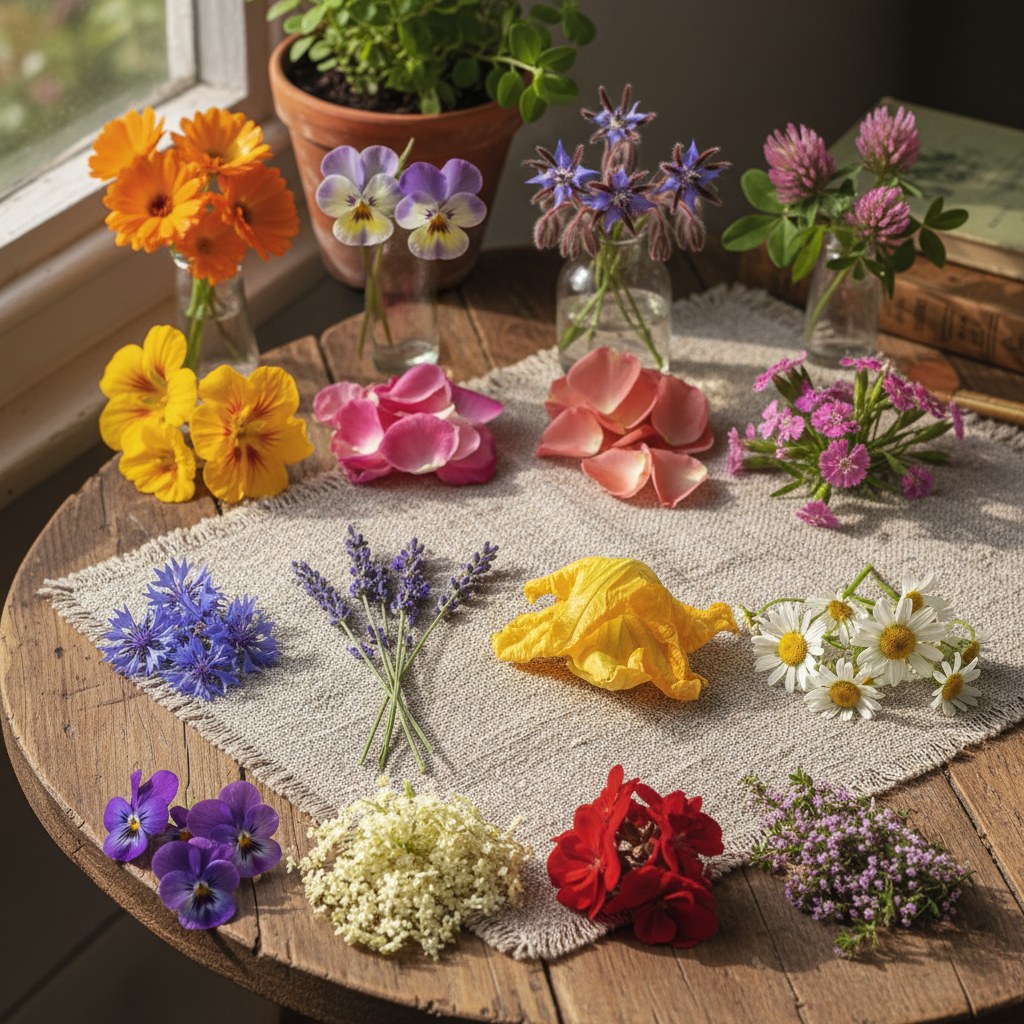
Quick Comparison: 15 Edible Flowers at a Glance
| Flower | Flavor | Edible Parts | Best Use | Sun / Water |
|---|---|---|---|---|
| Nasturtium | Peppery, mustard | Petals, leaves, seeds | Salads, garnish | Full / Low |
| Calendula | Tangy, slightly bitter | Petals only | Rice, soups, teas | Full / Moderate |
| Viola / Pansy | Mild, sweet | Whole flower | Desserts, salads | Part shade / Moderate |
| Lavender | Floral, citrus, mint | Flowers + buds | Baking, syrups | Full / Low |
| Borage | Cucumber | Flowers | Drinks, salads | Full / Low |
| Chamomile | Apple-honey | Flowers | Tea, baking | Full / Low |
| Sunflower | Mild, nutty | Petals, seeds | Salads, garnish | Full / Moderate |
| Squash Blossom | Sweet, mild squash | Whole flower | Stuffed, fried | Full / Moderate |
| Daylily | Sweet, melon-like | Petals, buds | Stir-fry, salads | Full / Low |
| Hibiscus | Tart, cranberry | Petals + calyx | Tea, jam, drinks | Full / Moderate |
| Rose | Floral, sweet, fruity | Petals (white heel removed) | Syrups, desserts | Full / Moderate |
| Marigold | Citrus, spicy | Petals only | Rice, salads | Full / Low |
| Chive Blossom | Mild onion | Whole flower | Vinegars, garnish | Full / Moderate |
| Bee Balm | Oregano-mint-citrus | Petals | Tea, salads | Full / Moderate |
| Dandelion | Honey-bitter | Petals, greens, roots | Wine, fritters, salads | Any / Low |
1. Nasturtium: The Peppery Powerhouse
Nasturtiums are arguably the most kitchen-friendly edible flower you can grow. Every part is edible, the round leaves taste like watercress, the vibrant petals deliver a sharp mustard-pepper punch, and the unripe seed pods can be pickled into a budget caper substitute. Flavor intensity peaks just before full bloom, so harvest when petals are fully open but fresh.
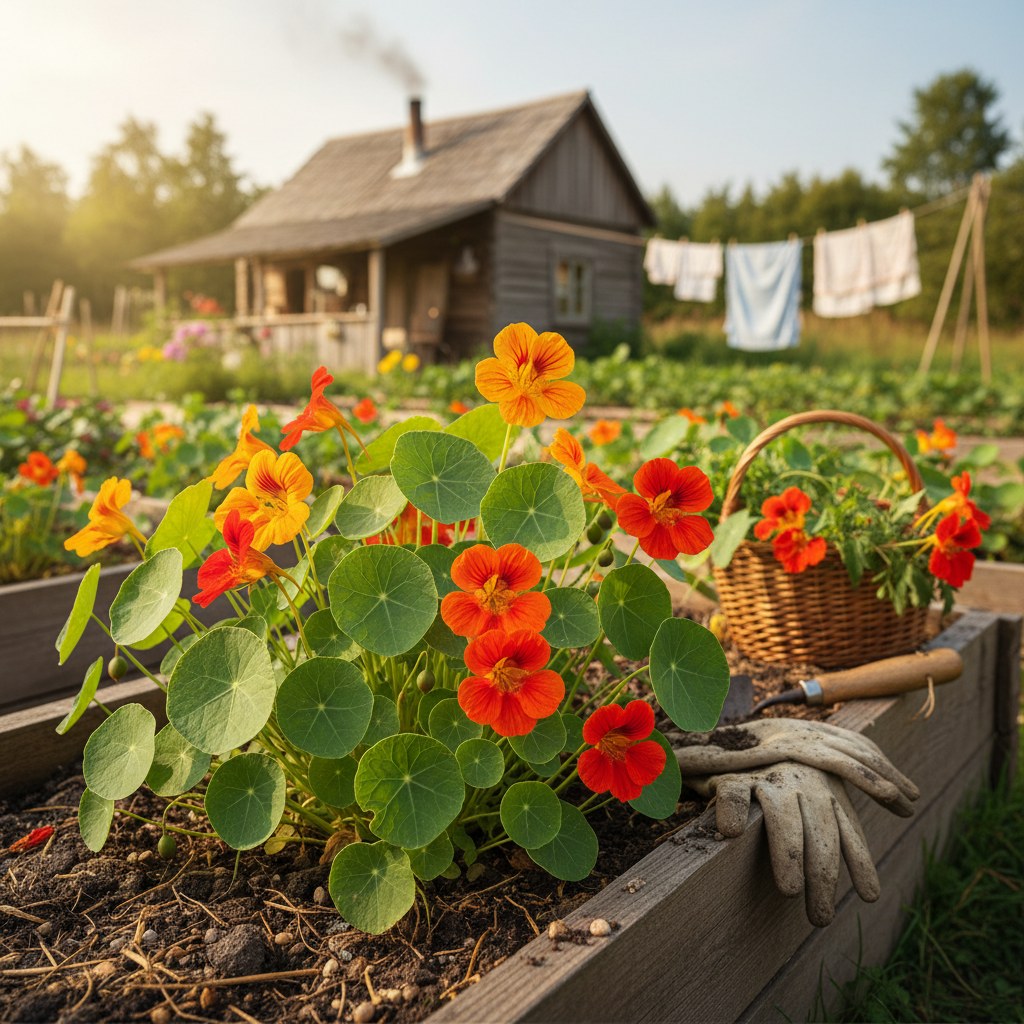
Culinary uses: Tear petals into green salads, press whole flowers into compound butters, or stuff the blossoms with herbed cream cheese for an elegant appetizer. The peppery heat pairs surprisingly well with sweet dressings and citrus vinaigrettes. Chef Yotam Ottolenghi has used nasturtiums in salads to replace expensive microgreens.
Growing tips: Direct sow seeds after the last frost in a sunny spot with poor-to-average soil. Rich soil produces lush leaves but fewer flowers. Nasturtiums are drought tolerant once established, overwatering encourages aphids. They self-seed prolifically, so expect a free crop the following year. Varieties like ‘Empress of India’ (deep scarlet) and ‘Alaska’ (variegated leaves) are both ornamental and delicious.
Safety note: Petals, leaves, and unripe seeds are all safe. Avoid eating large quantities if pregnant, as nasturtiums contain compounds with mild uterine-stimulant properties.
Source: University of Vermont Extension, “Edible Flowers” fact sheet, nasturtium listed as one of five most commonly used edible flowers in North American home gardens.
2. Calendula: The Kitchen Saffron
Calendula (Calendula officinalis) has been used as a dye, medicine, and food for over 200 years. The bright orange and yellow petals contain carotenoids that tint rice, soups, and broths a warm golden color, earning calendula the nickname “poor man’s saffron.” The flavor is tangy with a faintly resinous bite; dried petals mellow significantly and are sweeter than fresh ones.
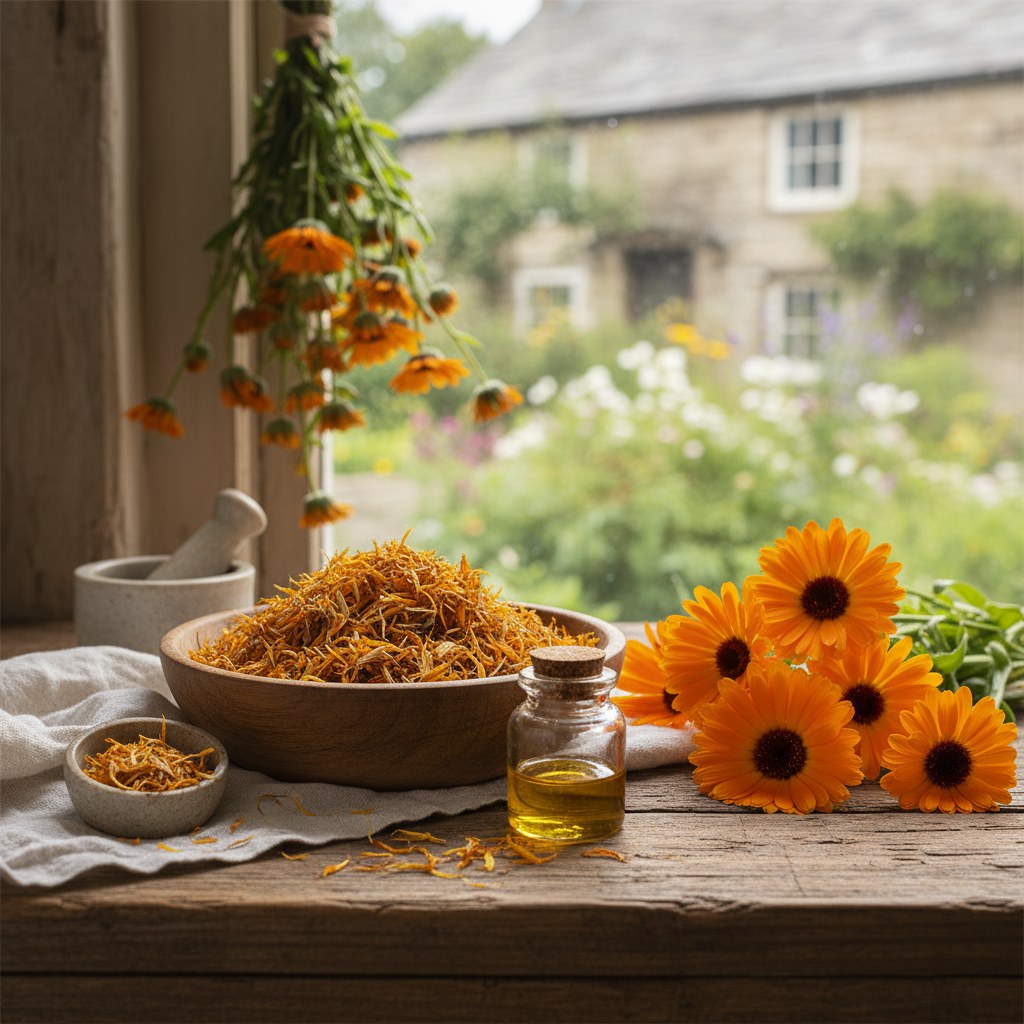
Culinary uses: Strip petals from the bitter green calyx (the calyx itself is not eaten). Scatter petals over rice dishes, stir into scrambled eggs for color, or infuse into cream for a golden panna cotta. Dried calendula petals are excellent in herbal teas and combine well with lemon balm and chamomile.
Growing tips: Sow seeds directly in early spring, calendula tolerates light frost and actually prefers cool weather. It blooms most prolifically in spring and fall, slowing during the heat of summer. Deadhead regularly to extend the bloom season through October in most zones. Plants self-seed easily; thin seedlings to 12 inches apart for best air circulation and to reduce powdery mildew.
Safety note: Only the petals are eaten; the green calyx is bitter and mildly irritating. People with ragweed allergies should use caution, as calendula is in the Asteraceae family.
Source: Colorado State University Extension, “Edible Flowers”, calendula petals confirmed safe and commonly used as natural food coloring.
3. Viola and Pansy. Delicate and Versatile
Violas (Viola tricolor) and their cultivated relatives, garden pansies (Viola × wittrockiana), produce some of the most beautiful edible flowers available to home gardeners. The flavor is mild and slightly sweet with faint grassy notes, subtle enough to work on desserts without overpowering them. The whole flower is edible, including the petals and the small green sepals behind them.
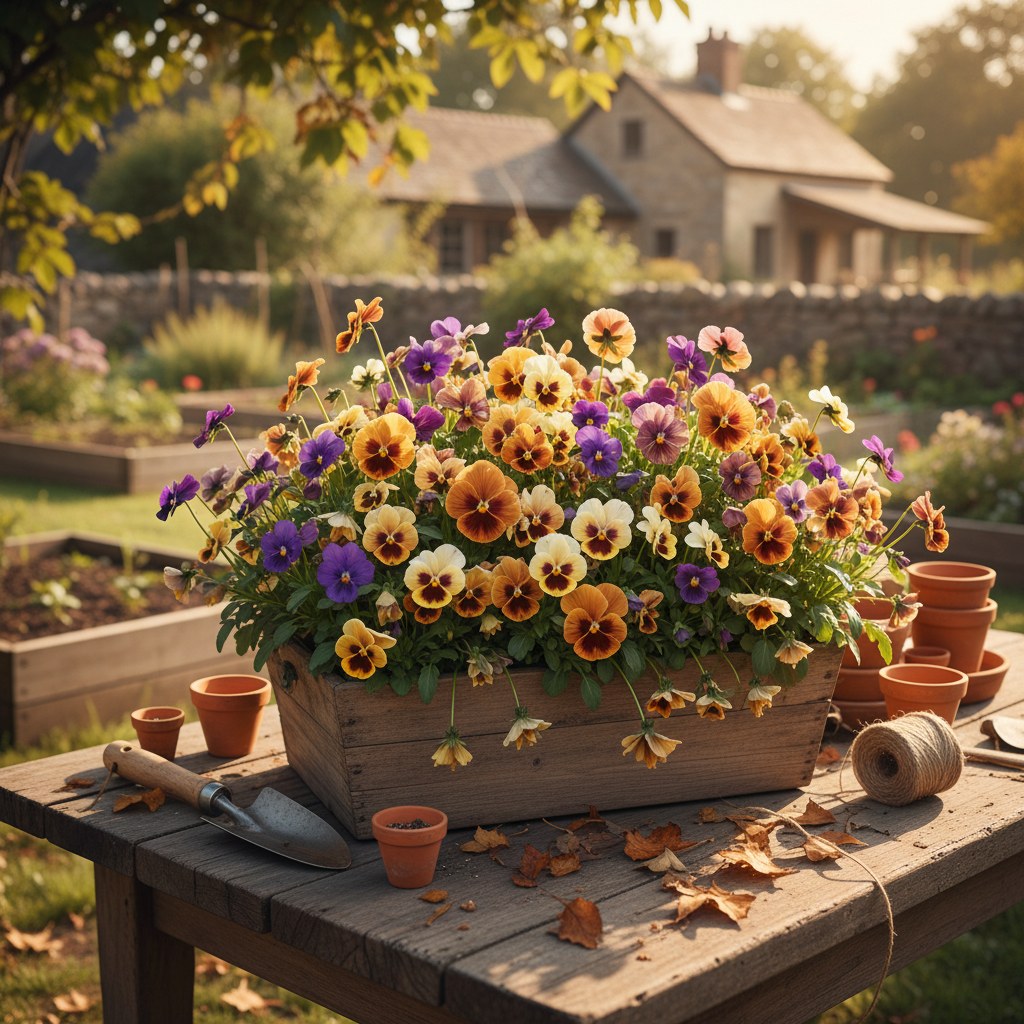
Culinary uses: Violas are the classic choice for candied flowers: brush with egg white, dust with superfine sugar, and dry on parchment for a stunning cake decoration. Press fresh flowers onto compound butters, float them in ice cubes for spring cocktails, or layer them into a savory salad with goat cheese and candied walnuts. Their visual impact far outweighs their subtle flavor.
Growing tips: Start seeds indoors 8–10 weeks before the last frost, or direct sow in late summer for fall and winter blooms in mild climates. Violas thrive in partial shade and cool temperatures; they bolt and stop flowering when summer heat arrives. Keep soil consistently moist and feed lightly with a balanced fertilizer every three weeks. Johnny’s Selected Seeds ‘Sorbet’ series offers consistent, compact plants ideal for small containers.
Safety note: The entire flower is edible. Sweet violets (Viola odorata) and garden pansies are both safe. Do not confuse with African violets (Saintpaulia), which are not edible.
Source: The Herb Society of America, “An Herb Society of America Guide: Edible Flowers”, violas listed among the safest and most widely consumed edible flowers.
4. Lavender: Floral, Citrusy, and Aromatic
Lavender (Lavandula angustifolia) is among the most recognizable scents in the world, and in small quantities it translates beautifully to food. The flavor is intensely floral with lemon and mint undertones, a little goes a very long way. Culinary lavender comes from English lavender varieties specifically; French and Spanish lavender (L. Stoechas) are more camphor-forward and better suited to ornamental use than cooking.
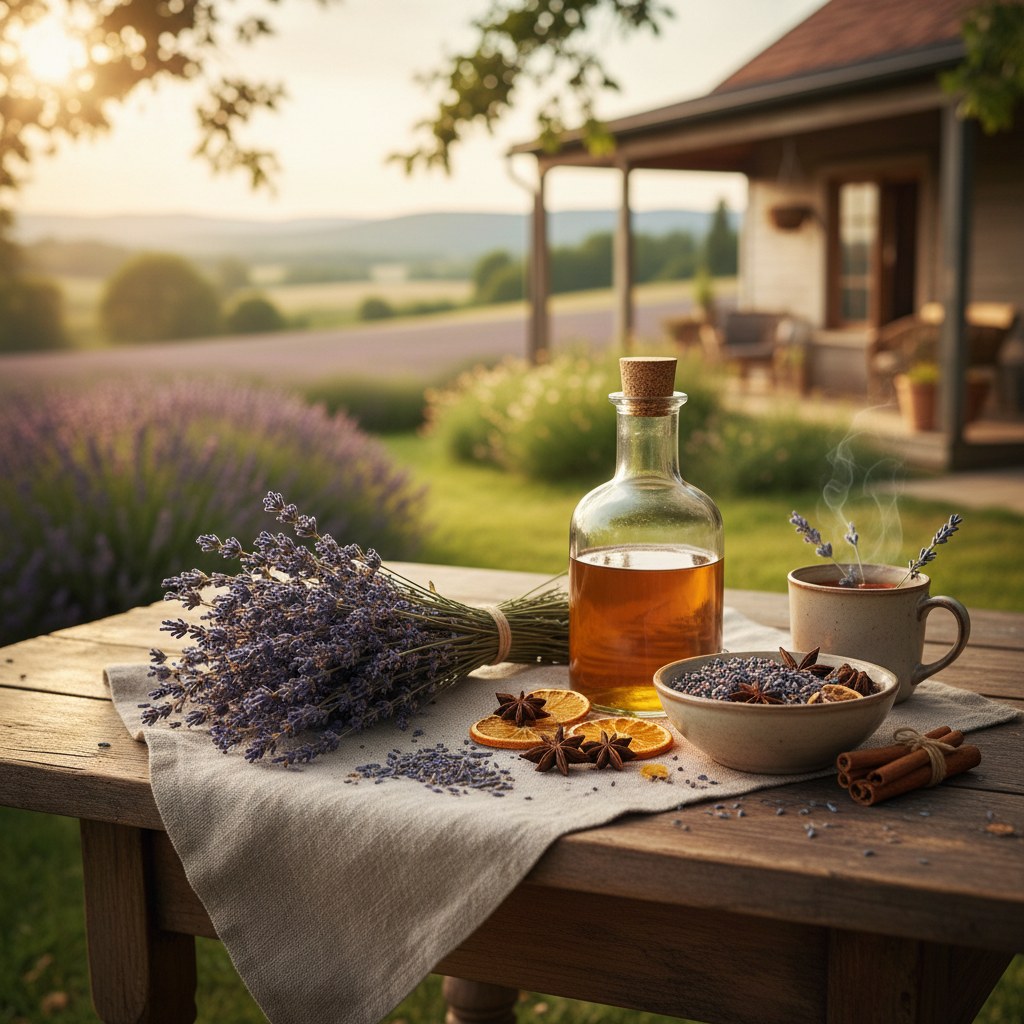
Culinary uses: Use dried lavender buds in shortbread cookies, scones, and infused simple syrups (lavender lemonade is a summer staple). A pinch in herbes de Provence adds complexity to roasted chicken. Lavender honey is one of the simplest preparations: warm a jar of local honey gently and stir in 1–2 teaspoons of dried buds; strain after an hour. Start with less than you think you need, over-lavenderizing is the most common mistake.
Growing tips: Lavender demands excellent drainage above all else, raised beds and amended sandy soils work best. Plant in full sun (at least 8 hours) and avoid overhead watering, which causes crown rot. Space plants 18–24 inches apart for airflow. Harvest flower stems just as the lowest buds begin to open; this timing delivers peak oil content. ‘Hidcote’ and ‘Munstead’ are the most reliable culinary varieties for cold climates.
Safety note: Culinary lavender (L. Angustifolia) is safe in food quantities. Avoid consuming lavender essential oil, it is far too concentrated and can cause toxicity.
Source: National Center for Complementary and Integrative Health (NCCIH), lavender herb listed as generally recognized as safe (GRAS) by the FDA when used as a food flavoring.
5. Borage: The Cucumber Blossom
Borage (Borago officinalis) produces vivid star-shaped blue flowers with a distinctly fresh cucumber flavor, among the most distinctive tastes among edible flowers. The blooms are small (about 1 inch across) and look stunning frozen into ice cubes for summer cocktails. The leaves are also edible but are covered in fine bristly hairs that make them unappealing raw; cooked leaves lose their texture and are used like spinach in some traditional European recipes.
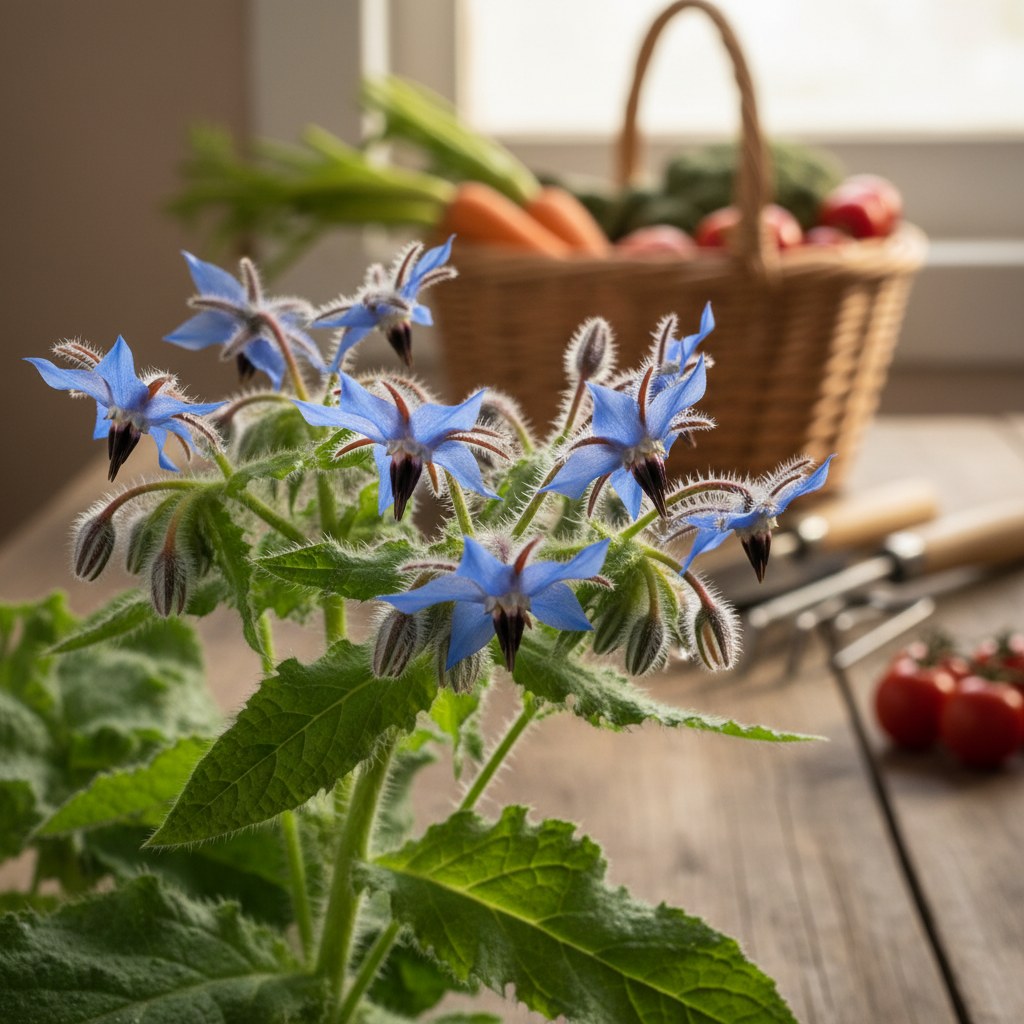
Culinary uses: Float borage flowers in gin and tonics or Pimm’s cups. Add to salads for a cool, refreshing note that works especially well with cucumber slices and dill. Crystallize the flowers for cake decoration, the deep blue holds beautifully after drying. Borage flowers are traditionally associated with the classic British drink Pimm’s No. 1 Cup.
Growing tips: Direct sow after last frost in a sunny location. Borage grows quickly (flowers in 5–8 weeks from seed) and self-seeds so aggressively it can become weedy, remove spent plants before they drop seed if space is limited. It tolerates poor soil and actually dislikes overly rich, fertilized beds. Companion plant with tomatoes and squash, as borage is said to deter tomato hornworms and attract pollinators to squash blossoms.
Safety note: Edible in moderate quantities. Contains low levels of pyrrolizidine alkaloids; the EFSA advises not eating large amounts regularly. Use as a garnish rather than a main ingredient.
Source: European Food Safety Authority (EFSA), 2011 technical report on pyrrolizidine alkaloids in food, borage flowers noted as low-risk at typical culinary use levels.
6. Chamomile: Apple-Honey in a Tiny Bloom
German chamomile (Matricaria chamomilla) produces daisy-like flowers with a distinctive apple-honey scent that softens into mild warmth in the cup. It is among the most widely consumed herbal teas in the world, with documented calming and digestive properties. Roman chamomile (Chamaemelum nobile) is slightly more bitter and less commonly used in tea but is equally safe to eat. Harvest flowers when petals are fully open and the yellow center dome is just beginning to enlarge, this is peak flavor.
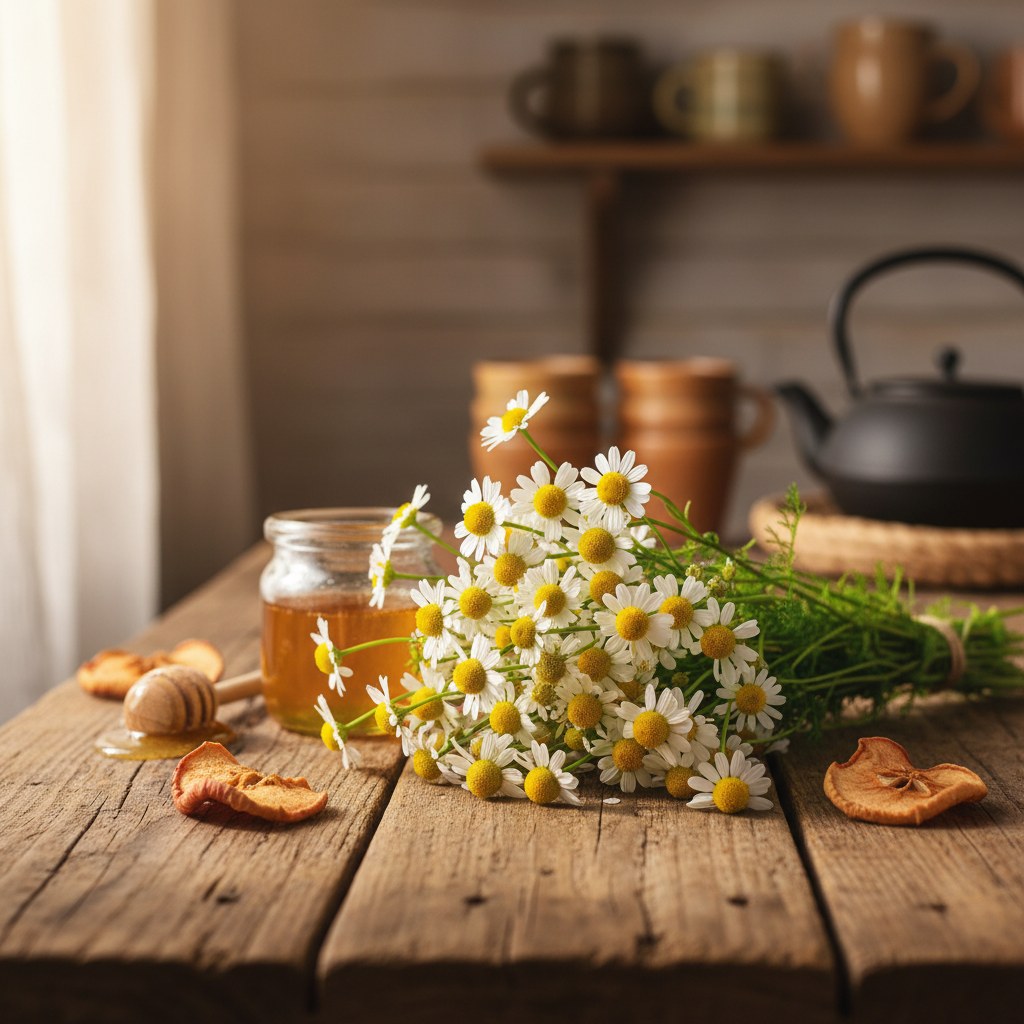
Culinary uses: Beyond tea, chamomile flowers work beautifully in baked goods: infuse into warm cream for chamomile panna cotta or fold dried petals into shortbread. Chamomile simple syrup is excellent in lemonade, spritzers, and cocktails. A chamomile and honey glaze over roasted carrots or parsnips is a revelation, the floral sweetness bridges the gap between savory and dessert.
Growing tips: Chamomile seeds need light to germinate, press them onto the soil surface without covering. Thin seedlings to 8 inches apart. German chamomile is an annual that self-seeds freely; allow a few plants to go to seed each year for a perpetual supply. It tolerates partial shade but flowers most abundantly in full sun. Harvest in dry morning conditions and dry quickly at low heat to preserve volatile oils.
Safety note: People with ragweed, chrysanthemum, or daisy allergies may react to chamomile. Those on blood thinners should consult a physician, as chamomile has mild anticoagulant properties.
Source: National Institutes of Health MedlinePlus, chamomile listed as among the most consumed herbal teas worldwide; generally recognized as safe for most adults in food and tea quantities.
7. Sunflower. Big, Bold, and Edible
Most gardeners grow sunflowers (Helianthus annuus) for their seeds or sheer visual drama, but the petals are also entirely edible. The flavor of fresh sunflower petals is mild and slightly nutty with a hint of bitterness near the base, peel individual petals away from the head and discard the bitter white heel where the petal meets the receptacle. Smaller branching varieties like ‘Lemon Queen’ or ‘ProCut’ produce abundant petals ideal for cutting and garnishing.
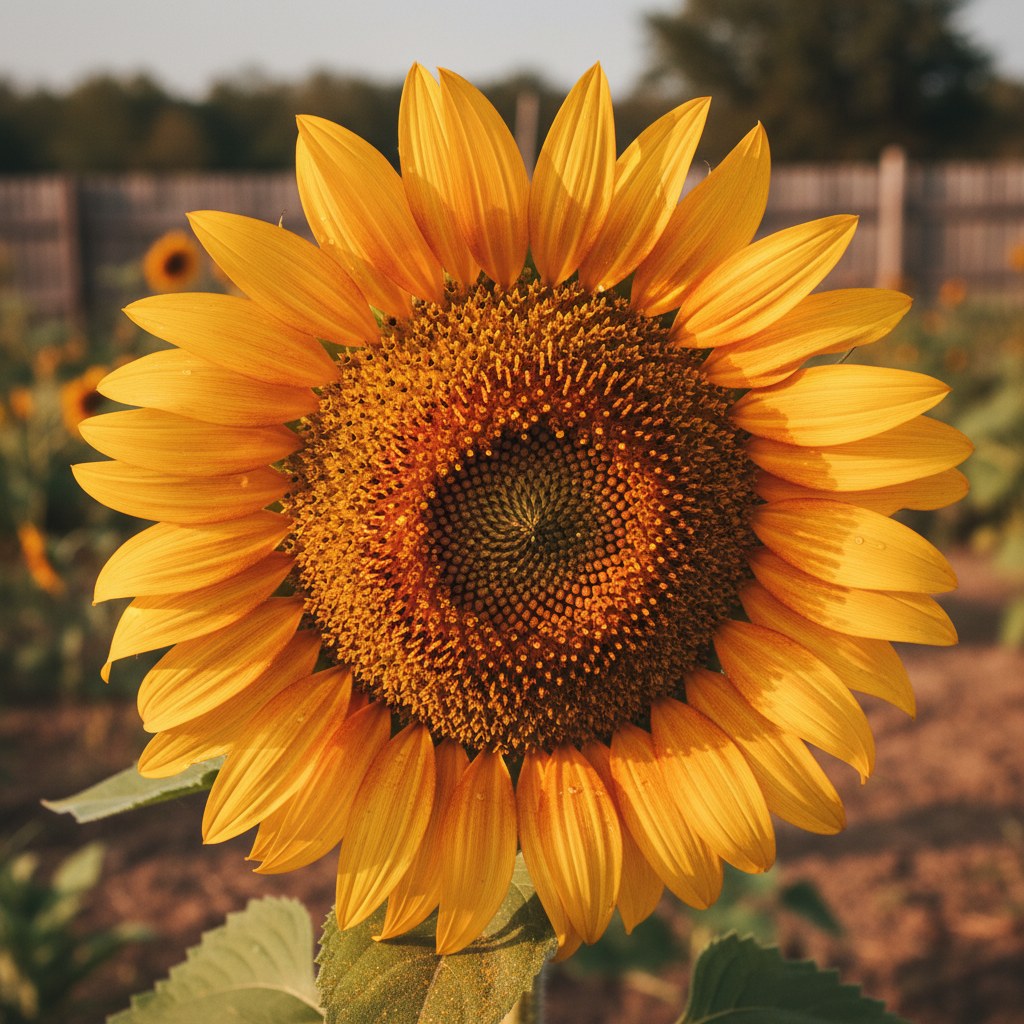
Culinary uses: Scatter golden petals over autumn grain salads with roasted squash and pepitas. Use as a garnish for sunflower seed hummus to match flavors visually and thematically. Petals work well in raw preparations; cooking diminishes both color and flavor. Young sunflower buds (before the head opens) can be steamed and eaten like a mild artichoke, a discovery that surprises most gardeners.
Growing tips: Direct sow after last frost in full sun with well-drained soil. Sunflowers are drought-tolerant once established and prefer not to be overwatered. For kitchen use, focus on multi-stemmed branching varieties rather than single-headed giants, they produce more flowers over a longer season. Succession sow every 3 weeks from May through July for a continuous harvest. If you’re building a flower cutting garden, sunflowers are a reliable, low-maintenance backbone crop.
Safety note: Petals are safe to eat; remove the white heel at the base of each petal, which is bitter. Only eat petals from plants grown without pesticides.
Source: Purdue University NewCROP database. Helianthus annuus petals confirmed edible; seeds are the primary commercial food product but petals and young buds also documented as culinary uses.
8. Squash Blossom: The Vegetable Garden Delicacy
Squash blossoms (Cucurbita pepo and related species) are a beloved ingredient across Mexican, Italian, and Middle Eastern cuisines. Both male and female flowers are edible, but harvesting strategy matters: take male flowers (borne on thin straight stems) freely, but only harvest female flowers (with a tiny squash at the base) if you have more than enough fruit set on the plant. The flavor is delicate, mild squash sweetness with a slight floral note.
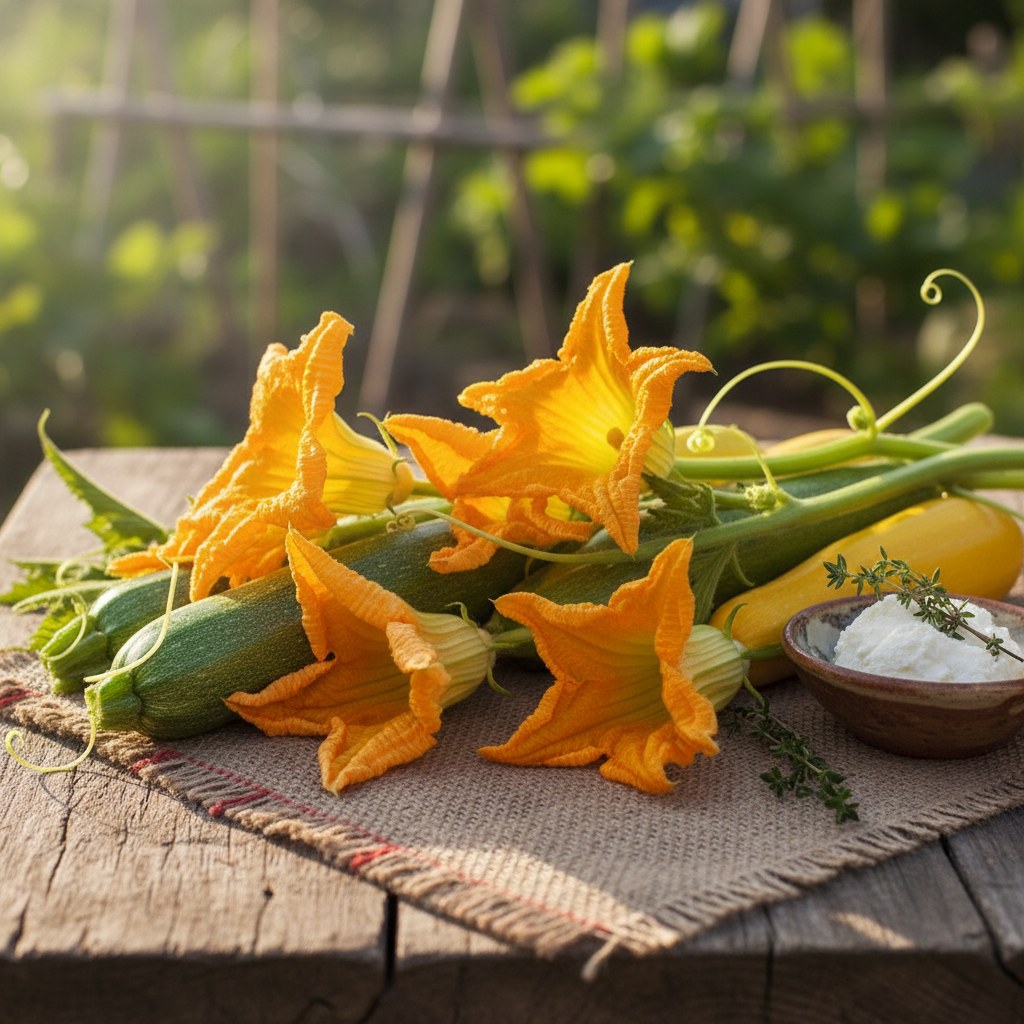
Culinary uses: The classic preparation is to stuff blossoms with seasoned ricotta or goat cheese, dip in a light batter, and pan-fry until golden. In Mexican cuisine, quesadillas de flor de calabaza are a market staple. Blossoms also work sliced into frittatas, quesadillas, or stirred into risotto in the last two minutes of cooking. Harvest in the morning before blossoms close; use the same day for best texture.
Growing tips: Any zucchini, summer squash, pumpkin, or winter squash plant will produce edible flowers. For maximum blossom yield, grow zucchini (they flower prolifically). Provide full sun and consistent moisture, irregular watering causes blossom drop. Each plant produces dozens of male flowers before female flowers appear, giving you a generous harvest window. Bush varieties work well in raised beds. To support good pollination for those female flowers you leave, plant borage or other pollinator attractors nearby, check the guide to attracting pollinators for companion planting ideas.
Safety note: The entire blossom is edible, petals, stamens, and pistil. Remove the stamen from male flowers and pistil from female flowers before stuffing to reduce bitterness slightly and make space for fillings.
Source: University of California Cooperative Extension, squash blossoms identified as a traditional edible with high culinary value; harvest timing and male/female distinction described in Cucurbit cultivation guides.
9. Daylily: Sweet and Surprisingly Versatile
Daylilies (Hemerocallis species) are among the most underused edible flowers in American gardens despite their abundance. The flavor is mildly sweet with a melon or mild vegetable note, often compared to a cross between green bean and sweet pea. Buds, open flowers, and even the small tubers are all edible in Hemerocallis species. Critical caveat: true daylilies (Hemerocallis) are safe; true lilies (Lilium species) such as Easter lilies, tiger lilies, and Asiatic lilies are toxic, especially to cats. Confirm your plant ID before eating.
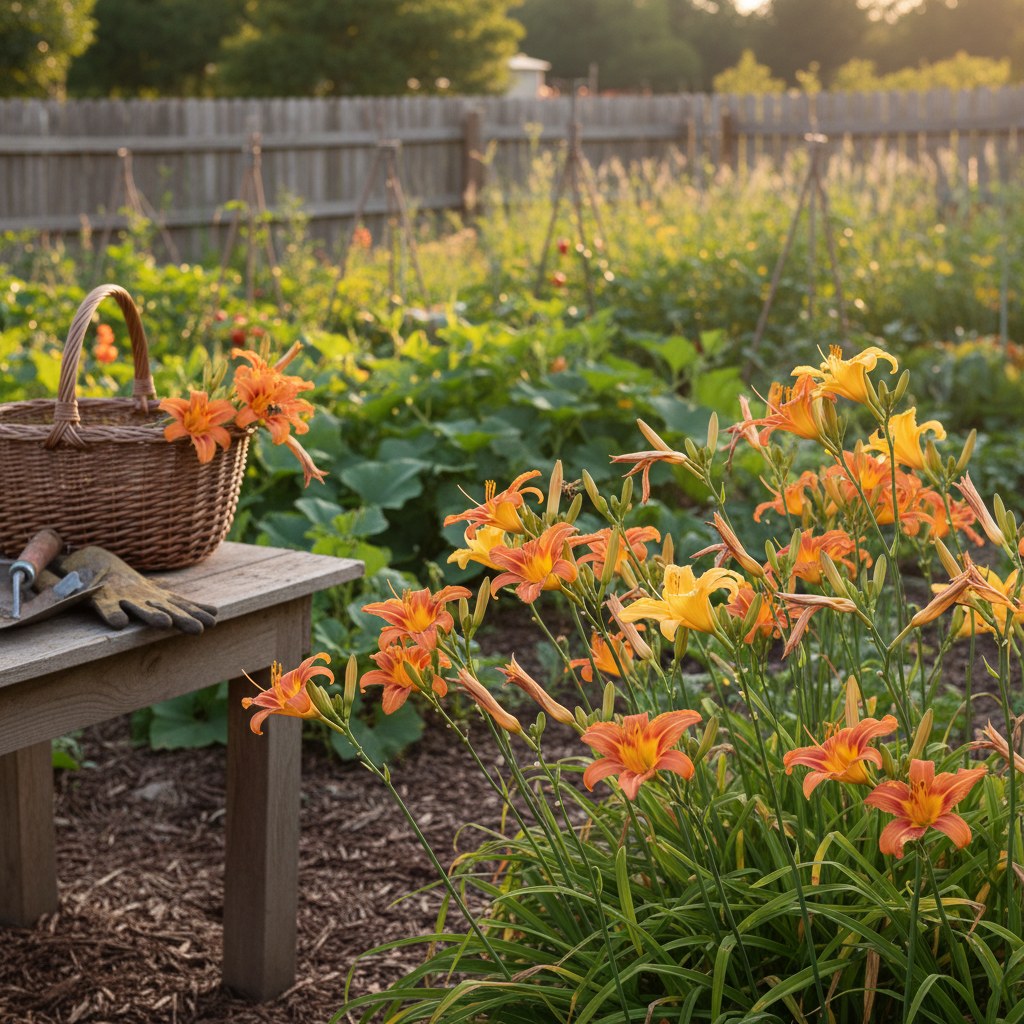
Culinary uses: Dried daylily buds (called “golden needles” or “lily buds”) are a staple ingredient in traditional Chinese hot-and-sour soup and mu shu pork. Fresh petals can be torn into salads or used as a scoop for dips. Lightly battered and fried daylily buds taste remarkably similar to fried squash blossoms. In Appalachian foodways, daylily tubers are roasted or boiled as a potato substitute.
Growing tips: Daylilies are nearly indestructible perennials that thrive in full sun to partial shade with average soil. They spread by clumping rhizomes and can be divided every 3–4 years to maintain vigor. Plant in fall or early spring, and expect blooms from June through August depending on variety. ‘Stella de Oro’ is a prolific rebloomer ideal for continuous harvest. Once established, daylilies need minimal water and no fertilizer beyond a spring top-dressing of compost.
Safety note: Only true daylilies (genus Hemerocallis) are edible. All parts of true lilies (genus Lilium) are toxic to humans and deadly to cats. When in doubt, do not eat.
Source: USDA PLANTS Database and “Edible Wild Plants” by Lee Allen Peterson. Hemerocallis species documented as edible; Lilium species documented as toxic and clearly distinguished.
10. Hibiscus: Tart, Tropical, and Beautiful
Hibiscus sabdariffa (roselle) is the species grown specifically for culinary use; its fleshy calyces are the source of the iconic deep crimson hibiscus tea (agua de Jamaica in Mexico, bissap in West Africa). The flavor is bracingly tart, think cranberry crossed with pomegranate, and the color is spectacular in beverages and desserts. The petals of common ornamental hibiscus (H. Rosa-sinensis) are also edible and similarly tart, though less intensely flavored than roselle.
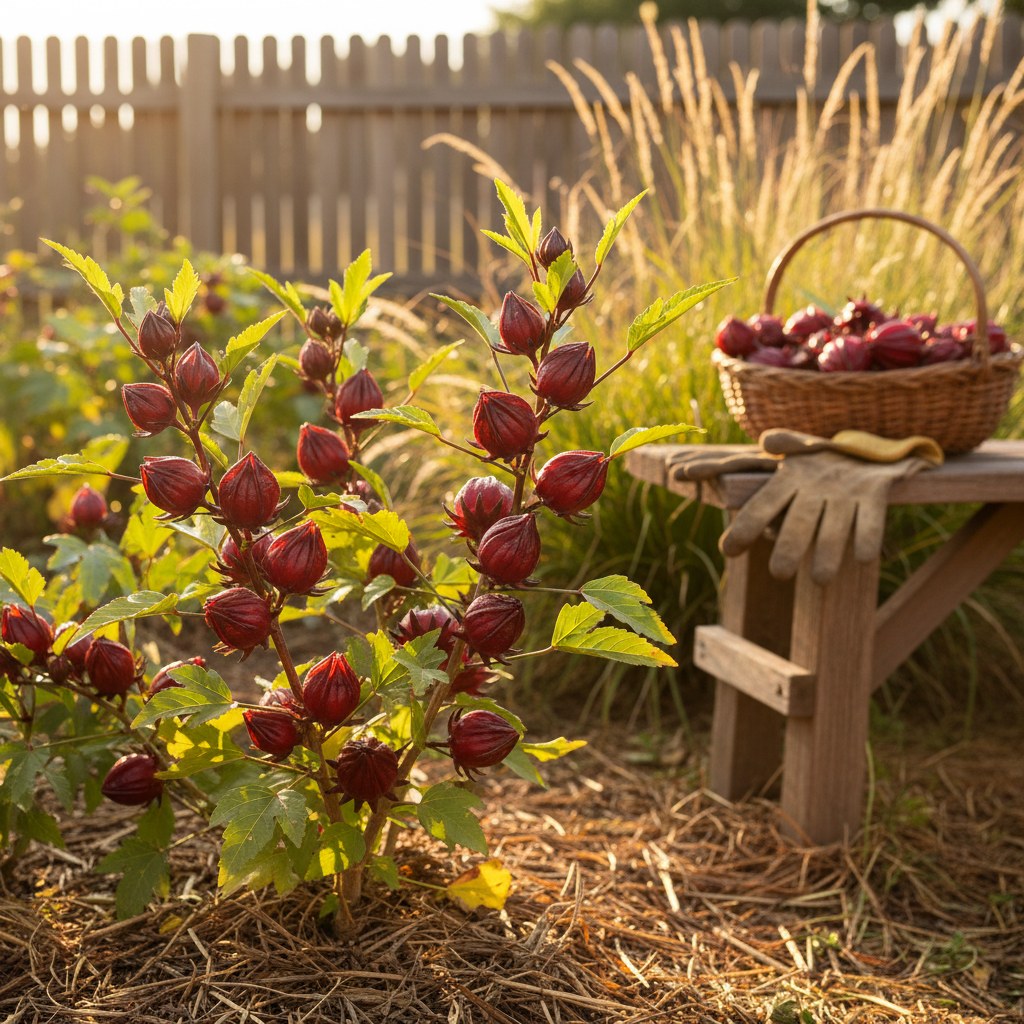
Culinary uses: Brew dried roselle calyces into hibiscus tea, hot or iced with honey and a squeeze of lime. Make hibiscus simple syrup for cocktails, lemonade, and sparkling water. Dried hibiscus can be ground into a powder and stirred into vinaigrettes or rubbed onto pork before grilling. Hibiscus jelly and jam showcase the natural pectin content of the calyces and require little added pectin to set.
Growing tips: Roselle is a tropical annual grown in USDA zones 8–11 as a perennial; elsewhere, start seeds indoors 6–8 weeks before the last frost and transplant after all danger of frost passes. It needs full sun and warm temperatures to thrive, it will not produce well in cool summers. Space plants 3 feet apart; they can reach 6 feet tall. Harvest calyces in fall after the petals drop but before the seed capsule hardens. Common ornamental hibiscus (zones 9–11) can be grown in containers and overwintered indoors in colder climates.
Safety note: Hibiscus may interact with certain blood pressure medications and can lower blood pressure. Those on antihypertensive medications should consult a doctor before consuming large amounts.
Source: Texas A&M AgriLife Extension. Hibiscus sabdariffa cultivation guide; roselle listed as a USDA-approved food ingredient used in teas, jams, and beverages worldwide.
11. Rose: Timeless and Fragrant
Roses (Rosa species) have been used in cooking since ancient Persia, where rosewater was a foundation for pastry-making that spread through the Middle East and into European kitchens. The flavor varies by variety from intensely sweet and fruity to faint and delicate, darker, more fragrant varieties consistently deliver stronger flavor. All rose petals are edible, but the white base of each petal (the “heel”) is bitter and should be pinched off. Only use roses grown without pesticides; most florist roses are heavily treated and unsafe to eat.
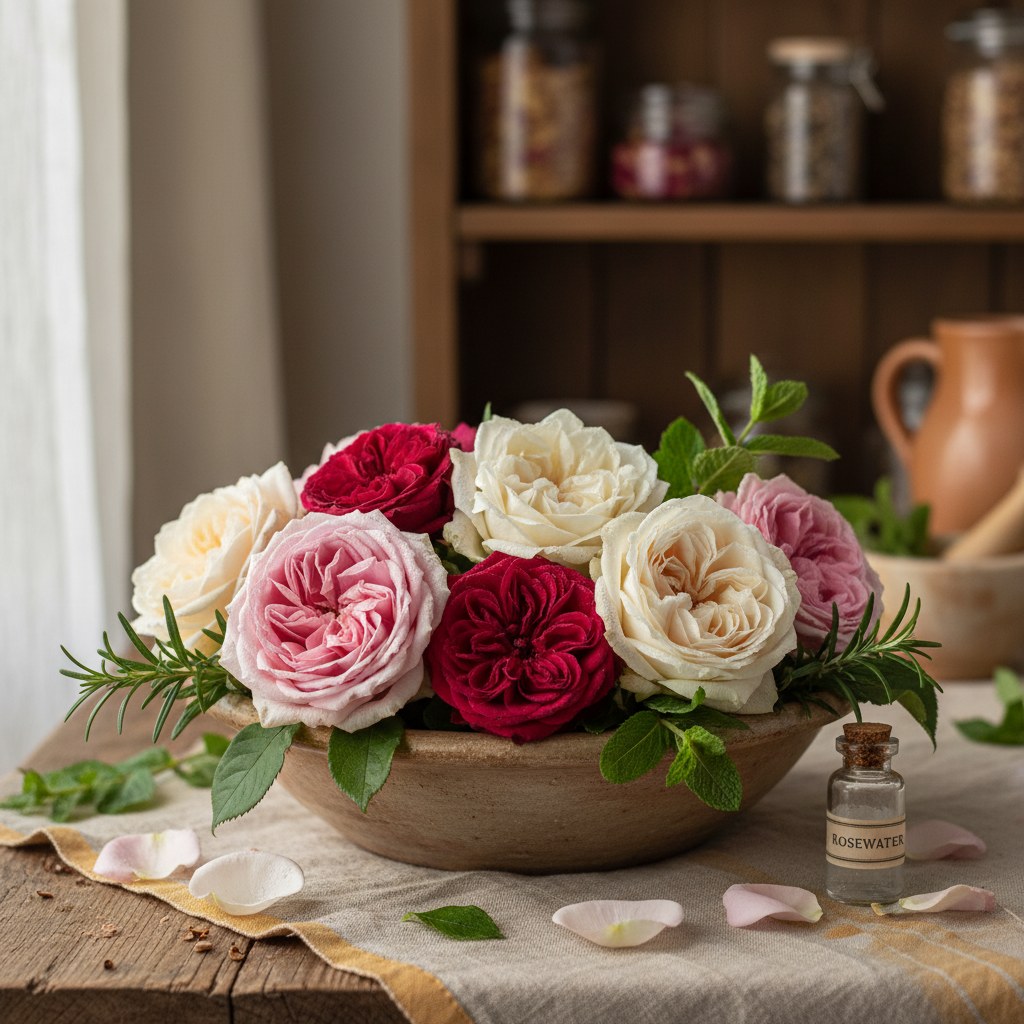
Culinary uses: Rose petals infused into honey create an elegant spread for scones and toast. Rosewater (made by simmering petals in water) flavors Turkish delight, Indian kheer, and Persian rice pudding. Candied rose petals are an heirloom confection worth reviving. Rose hip syrup (made from the fruit of the rose) is extraordinarily high in vitamin C and makes excellent jelly, vinaigrette, and cordials.
Growing tips: For culinary use, heritage and heirloom roses such as Rosa gallica officinalis (Apothecary’s Rose), Rosa damascena (Damask rose), and strongly scented modern varieties like ‘Mr. Lincoln’ deliver the most flavor. Plant bare-root roses in early spring or container roses through summer. All roses need full sun (minimum 6 hours), good drainage, and regular deep watering. Prune in early spring to maintain shape and encourage new flowering wood. For a garden dedicated to both cutting and edibility, roses pair beautifully with the rest of a structured cutting flower garden.
Safety note: Remove the bitter white heel from each petal. Rose hips are safe but contain seed hairs that irritate the digestive tract, always strain hip preparations thoroughly. Never use florist roses; they are treated with fungicides and pesticides not approved for food use.
Source: The Royal Horticultural Society (RHS). Rosa spp. Petals listed as edible; rosa gallica officinalis (Apothecary’s Rose) noted as the historic culinary standard in European herb garden traditions.
12. Marigold: The Garden’s Own Saffron
Pot marigold is calendula (covered above), but this entry addresses Tagetes species, the classic French and African marigolds that fill summer gardens with orange and gold. Tagetes tenuifolia (signet marigold) has the best flavor, citrusy, slightly spicy, and aromatic with a hint of tarragon. Tagetes erecta (African marigold) petals are edible but strongly flavored; use sparingly. T. Patula (French marigold) falls in between. Always use only the petals, never the bitter green parts.
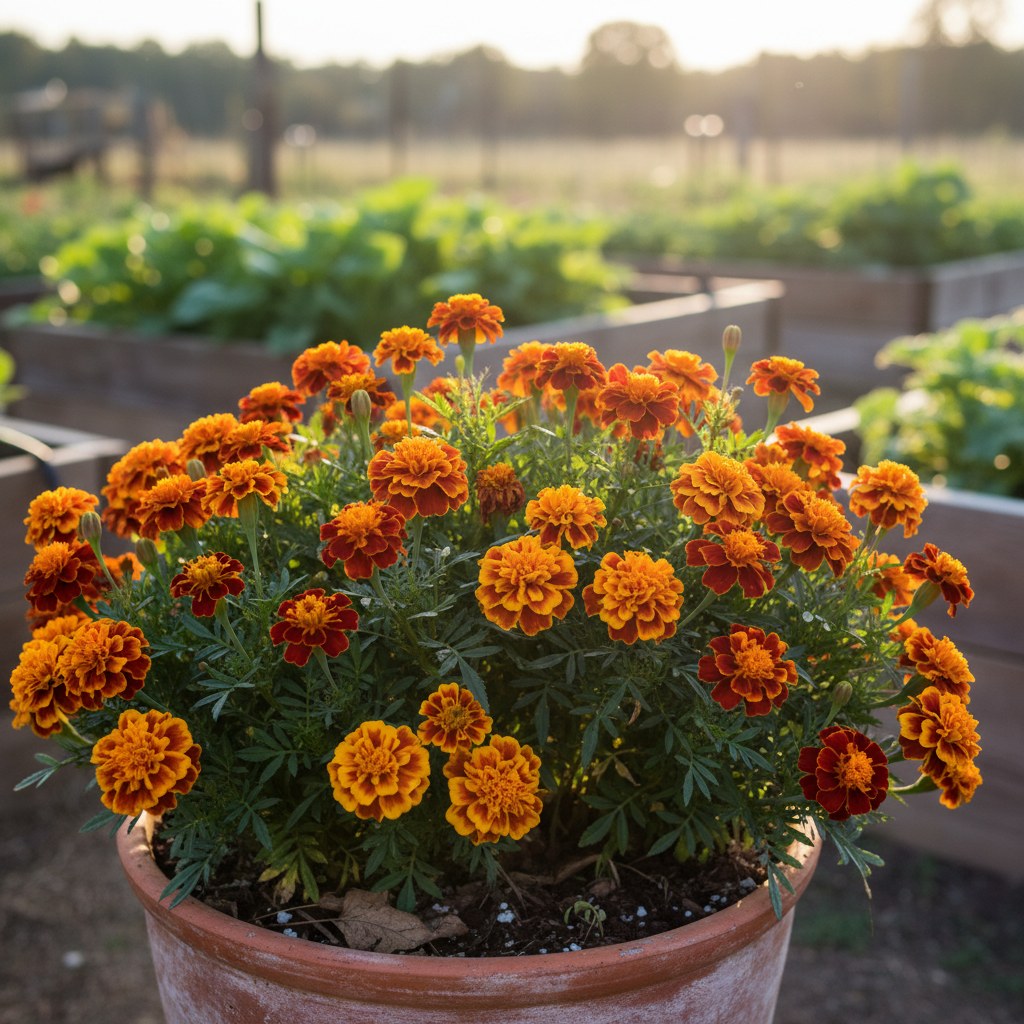
Culinary uses: Tagetes petals are used as a saffron substitute to color rice, soups, and egg dishes throughout Mexico and Central America. In Georgia (country), dried marigold petals are a standard spice blend ingredient called Imeruli zafrani. Scatter fresh signet marigold petals over pasta or grain salads for color and citrus flavor. Infuse petals into vinegar for a golden, mildly floral salad dressing base.
Growing tips: Start marigolds indoors 4–6 weeks before last frost or direct sow after frost. They grow best in full sun with moderate water. Deadhead regularly to keep plants blooming. Signet marigolds (T. Tenuifolia) are smaller and more compact than their cousins, perfect for container growing and edging vegetable beds. Their companion-planting reputation for deterring nematodes and certain pests is well-documented. Space French marigolds 8–10 inches apart; African types need 12–18 inches.
Safety note: Petals only, the green calyx and leaves of Tagetes are bitter and not eaten. People with chrysanthemum or ragweed allergies may also react to Tagetes.
Source: FAO Regional Office for Europe. Tagetes petals documented as traditional food coloring and spice in Eastern European and Central American culinary traditions.
13. Chive Blossom: Onion Flavor in a Beautiful Package
Chive blossoms (Allium schoenoprasum) are one of the easiest edible flowers to grow and use, if you already grow chives for the kitchen, you’re already growing them. The round lavender-pink flower heads have a mild, sweet onion flavor that works beautifully in savory applications. Each blossom is composed of dozens of tiny individual florets that pull apart easily for scattering. Harvest when flowers are fully open but before they begin to fade, color and flavor peak at this moment.
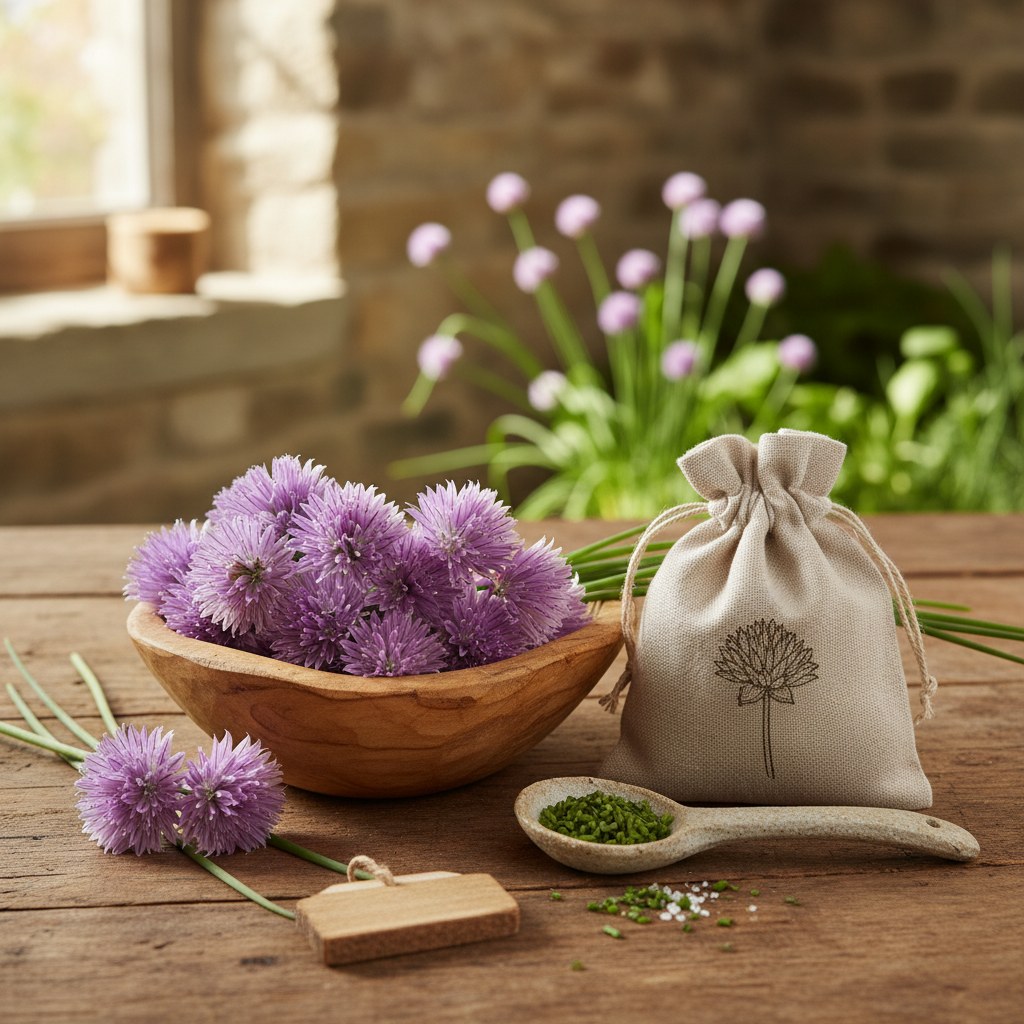
Culinary uses: Pull flower heads apart and scatter florets over scrambled eggs, potato salad, deviled eggs, or cream cheese on crackers. Make chive blossom vinegar by filling a jar with fresh blossoms and covering with white wine vinegar, it turns a beautiful pink within a week and tastes like mild onion wine vinegar. Use chive blossom butter on grilled fish or corn on the cob. Garlic chive blossoms (Allium tuberosum), which are white, have a stronger garlic-onion flavor and work equally well.
Growing tips: Chives are among the most reliable perennial herbs for home gardeners. Plant divisions or transplants in full sun to partial shade in well-drained soil. They spread steadily by division and self-seed. Divide clumps every 2–3 years in spring to maintain vigor. After the first flowering flush, cut plants back to a few inches above the soil, they will regrow quickly and may produce a second flush of flowers in late summer. Chives survive hard freezes and return reliably each spring in zones 3–10.
Safety note: Chive blossoms are completely safe to eat and are in the same family as culinary onions and garlic. Avoid confusing with ornamental alliums, which are also technically edible but may be grown with pesticides.
Source: The Old Farmer’s Almanac herb growing guide, chive blossoms described as fully edible with mild onion flavor; recommended use in vinegars and as garnish.
14. Bee Balm: Wild Bergamot for the Kitchen
Bee balm (Monarda didyma and Monarda fistulosa) is a native North American wildflower with ragged, spidery blooms in red, pink, purple, and white. The flavor is complex and aromatic, a blend of oregano, mint, and citrus that varies slightly by species and individual plant. M. Didyma (scarlet bee balm) tastes most like Earl Grey tea because it contains thymol and carvacrol, the same compounds in bergamot orange peel. Petals, fresh leaves, and dried flowers are all edible.
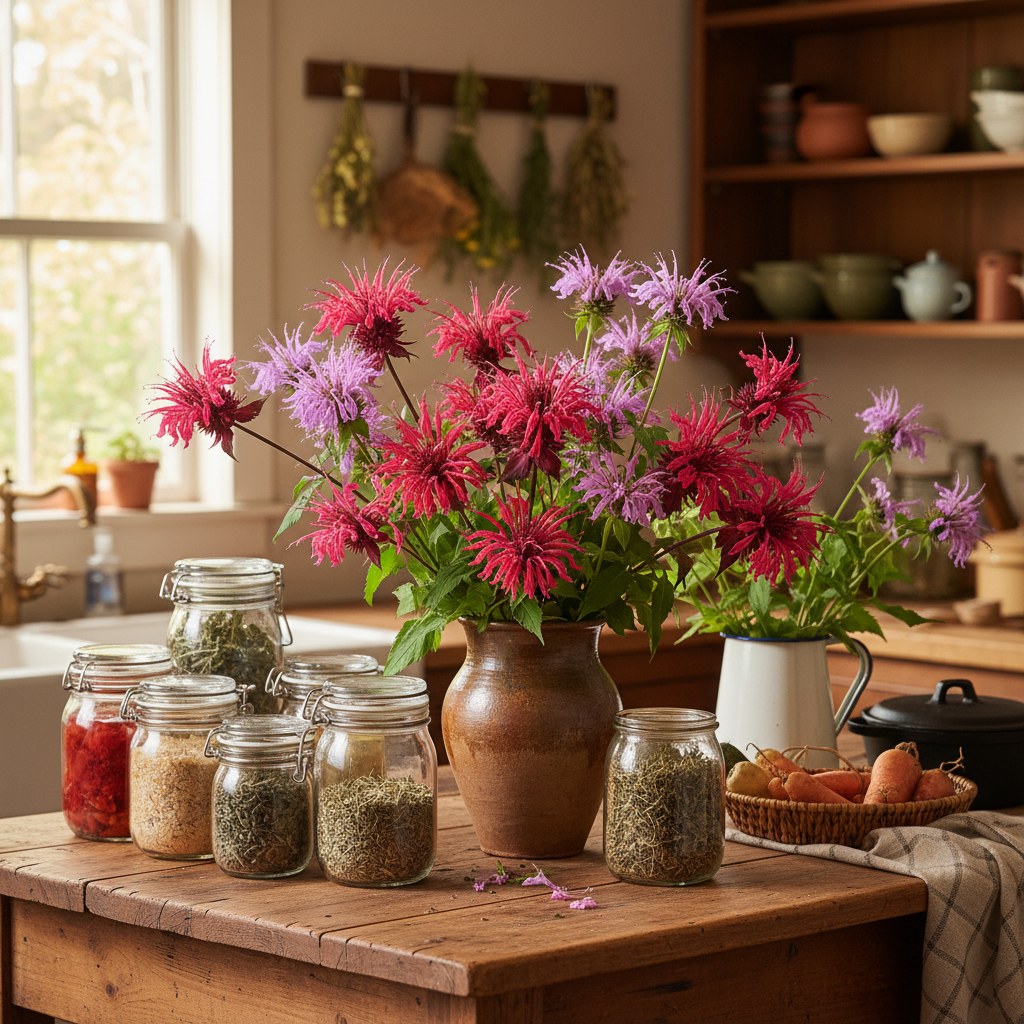
Culinary uses: Brew fresh or dried bee balm flowers and leaves into a fragrant tea, this was the “Oswego Tea” that American colonists brewed as a patriotic substitute for British tea after the Boston Tea Party. Pull individual petals from the flower head and scatter over fruit salads, yogurt parfaits, or iced drinks. Use fresh leaves as an oregano substitute in pizza sauce or pasta. Add petals to cocktails that call for a citrus-herb element. Dry flowers quickly and add to custom herb blends.
Growing tips: Bee balm is a spreading perennial that thrives in full sun to partial shade with moderate moisture. It is prone to powdery mildew in humid conditions, improve air circulation by thinning clumps annually and choosing mildew-resistant varieties like ‘Jacob Cline’ (red) or ‘Marshall’s Delight’ (pink). Plant in well-amended soil and water consistently but avoid waterlogging. Divide clumps every 2–3 years to prevent the center from dying out. As a native plant, bee balm is also exceptional for attracting hummingbirds and native bees.
Safety note: Bee balm is safe in culinary quantities. Avoid high-dose medicinal use during pregnancy. Use only petals and young leaves; older leaves can be quite strong.
Source: USDA Natural Resources Conservation Service. Monarda didyma documented as a native edible with historical use as “Oswego Tea”; widely grown as ornamental and culinary herb.
15. Dandelion: The Underrated Nutritional Powerhouse
Dandelions (Taraxacum officinale) grow in virtually every lawn in North America, yet most people treat them as weeds to eradicate rather than food to harvest. This is a nutritional waste, dandelion greens are richer in vitamins A, C, and K than spinach, and the flowers are entirely edible with a mild, slightly honey-sweet flavor that transitions to bitter in the white sap at the stem base. Harvest flowers in full bloom from lawns that have never been treated with herbicides or pesticides.
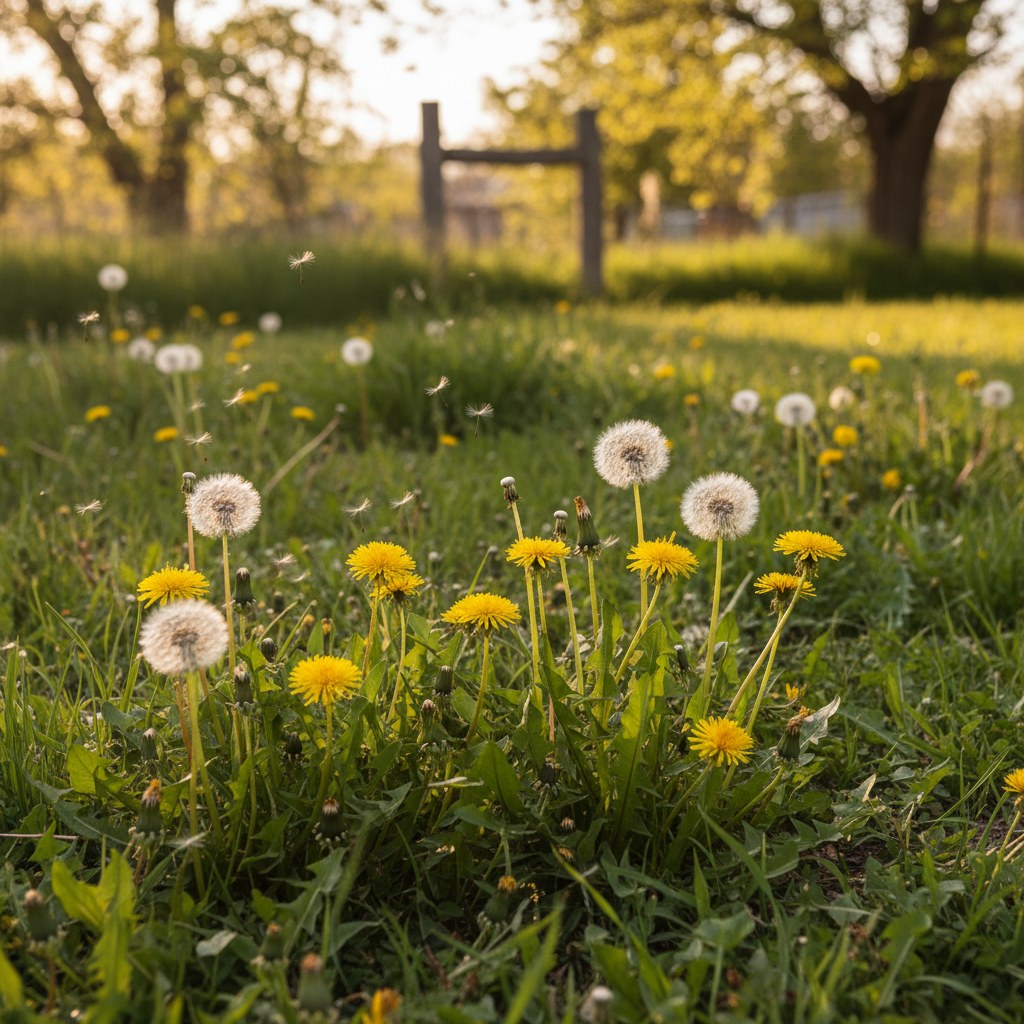
Culinary uses: Dandelion wine is the most celebrated preparation, whole flowers fermented with sugar, lemon, and yeast into a light, floral country wine. Dandelion fritters (whole flowers dipped in batter and fried) are crisp, golden, and mild enough for children. Fresh petals can be pulled from the bitter green base and scattered over salads. Young spring greens make excellent sautéed greens with garlic and olive oil. Roasted dandelion roots brew into a rich, caffeine-free coffee substitute with an earthy, slightly bitter flavor.
Growing tips: If you want to harvest dandelions intentionally, you don’t need to plant them, they will find you. For cleaner, milder greens and flowers, blanch plants by covering them with an upturned pot for 5–7 days before harvest; light exclusion reduces bitterness significantly. For a more controlled supply, dandelion varieties like ‘Ameliore’ produce large, upright leaves ideal for salads and have been bred specifically for the kitchen. Harvest flowers in the morning when they are fully open; they close by afternoon and don’t reopen once picked.
Safety note: All parts of the true dandelion (Taraxacum officinale) are edible. Avoid harvesting from roadsides, industrial areas, or any lawn that may have been treated. The white latex sap can cause skin irritation in sensitive individuals. People on diuretics or blood thinners should consult a physician, as dandelion leaf has diuretic properties.
Source: USDA National Nutrient Database. Taraxacum officinale greens contain 10,161 IU of vitamin A per 100g, significantly more than spinach (2,813 IU); listed as a traditional edible wild plant with long culinary history in Europe and North America.
General Edible Flower Safety Rules
Edible flowers are a joy to grow and cook with, but a few firm rules keep the experience safe and positive:
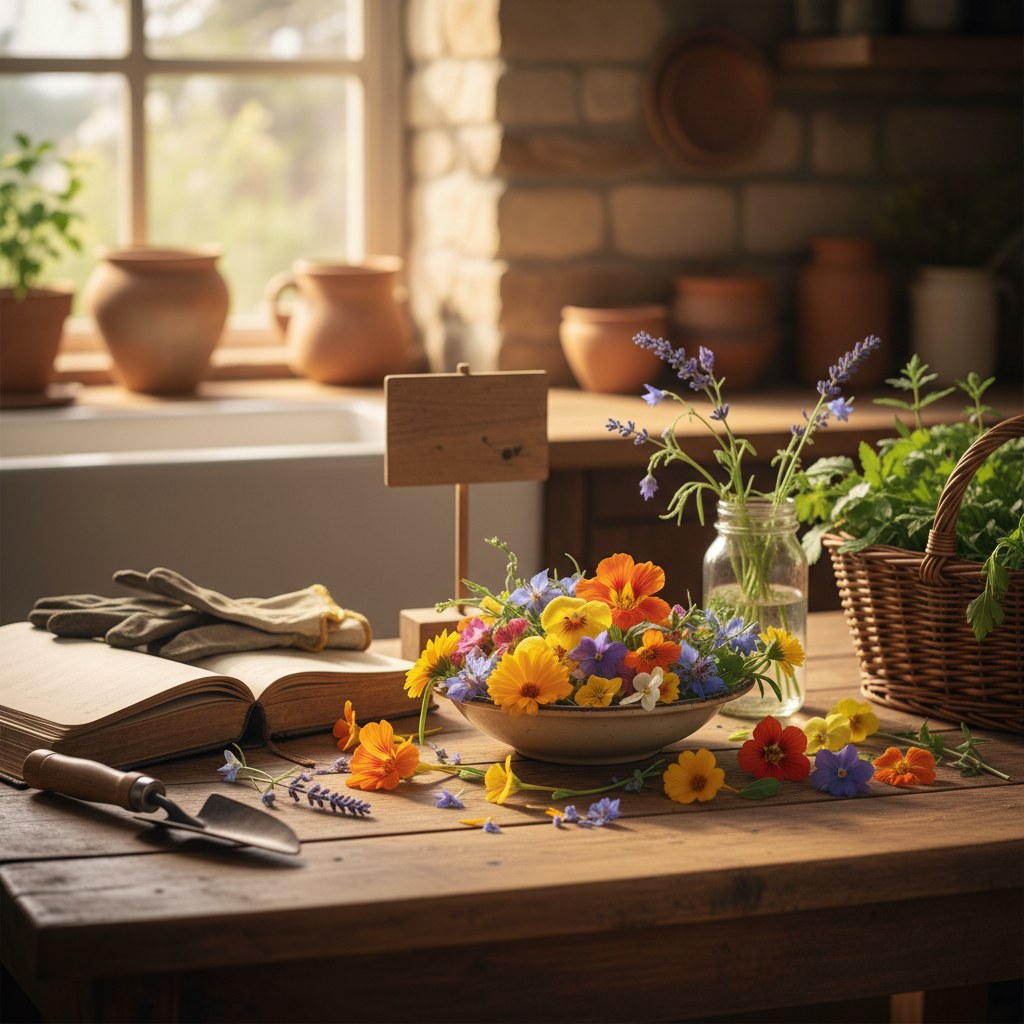
- Never eat flowers treated with pesticides, fungicides, or systemic fertilizers. Most commercial nursery plants and all florist flowers are disqualified. Grow your own from seed or buy from certified organic sources.
- Identify with certainty before eating. Many beautiful flowers are toxic, foxglove, lily of the valley, monkshood, and sweet pea all look harmless and are not. Use a reputable field guide or the USDA PLANTS database for confirmation.
- Eat only the confirmed edible parts. Many flowers have edible petals but bitter or irritating green parts (calyx, stamens, pistil). This guide specifies which parts are eaten for each variety.
- Try a small amount first, especially if you have known allergies to plants in the Asteraceae (daisy) family, chamomile, calendula, marigold, sunflower, and dandelion are all in this family.
- Harvest in the morning after any dew has dried but before midday heat diminishes fragrance and flavor.
- Use flowers the same day for best quality, or refrigerate in a single layer between damp paper towels for up to two days.
Frequently Asked Questions
Which edible flowers are safest for beginners to start with?
Nasturtiums, chive blossoms, and violas are the best starting points. All three are easy to identify, grow reliably from seed, have pleasant mild-to-moderate flavors that work in many dishes, and have a very low risk of confusion with toxic lookalikes. Nasturtiums in particular are nearly foolproof, the distinctive round leaves and bright flowers are unmistakable.
Can I eat flowers from plants bought at a garden center?
Generally no: not safely. Most nursery plants are treated with systemic pesticides (particularly neonicotinoids) that persist in plant tissue throughout the growing season. These are not safe to consume. Either grow plants from untreated seed, buy from certified organic nurseries, or let nursery-bought plants grow for a full season in untreated soil before harvesting for food. When in doubt, wait a full season.
How do I store edible flowers after harvesting?
Harvest in the morning after dew has dried. Lay flowers in a single layer on a damp paper towel, cover loosely with another damp towel, and refrigerate in a sealed container or zip bag. Most edible flowers keep for 1–2 days this way. For longer storage, dry flowers quickly at low heat (95–105°F / 35–40°C) in a food dehydrator or oven on the lowest setting. Dried petals keep 6–12 months in airtight containers away from light.
Are edible flowers nutritious?
Many edible flowers contain meaningful amounts of vitamins, antioxidants, and anti-inflammatory compounds, particularly carotenoids in calendula and marigold, vitamin C in rose hips, and vitamins A, C, and K in dandelion. However, because flowers are typically used as garnishes in small amounts, their direct nutritional contribution to a meal is modest. Their greatest dietary value may be in encouraging more varied, plant-based eating and increasing microbiome diversity through diverse phytonutrient exposure.
What flowers look edible but are actually toxic?
Several common garden flowers are toxic and should never be eaten: foxglove (Digitalis), monkshood (Aconitum), lily of the valley (Convallaria), sweet pea (Lathyrus odoratus, not to be confused with edible peas), oleander (Nerium), daffodil (Narcissus), autumn crocus (Colchicum), and all true lilies (Lilium, dangerous to cats even in small amounts). Many of these cause severe gastrointestinal distress, cardiac effects, or worse. Always identify your plant at the species level before eating any flower.