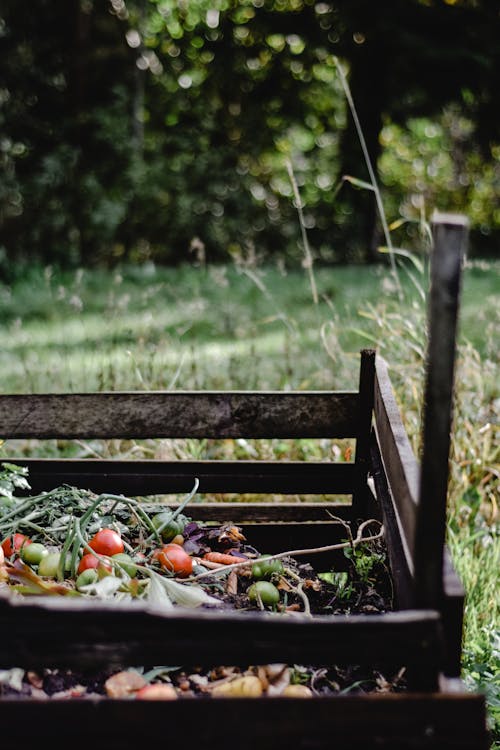
Composting 101: How to Turn Kitchen Scraps into Garden Gold
🌱 TL;DR — Key Takeaways
- Composting diverts 30% of household waste from landfills (EPA estimate)
- The magic ratio: 3 parts brown to 1 part green by volume
- A well-managed compost pile can produce finished compost in 4–8 weeks
- Never compost meat, dairy, oils, or pet waste
- Finished compost improves soil structure, adds nutrients, and retains moisture
Composting is one of the most impactful things you can do as a homesteader or gardener. It takes your kitchen scraps and yard waste — stuff that would otherwise rot in a landfill — and transforms it into rich, dark, crumbly soil amendment your garden will love. I started composting with a simple pile in the corner of my yard, and now I produce enough black gold every season to top-dress all my raised beds.
What Is Compost, and How Does It Work?
Compost is decomposed organic matter created when you combine carbon-rich materials (browns) and nitrogen-rich materials (greens) with water and oxygen. Billions of microorganisms break everything down into a dark, earthy-smelling material that improves soil structure, adds nutrients, retains moisture, and supports healthy root growth. The EPA estimates that food scraps and yard waste make up over 30% of what we throw away — composting diverts all of that from landfills.
What Is the Right Greens-to-Browns Ratio?
Aim for roughly 3 parts brown to 1 part green by volume — this balance gives microbes the carbon and nitrogen they need to work efficiently.
| Greens (Nitrogen-Rich) | Browns (Carbon-Rich) | Never Compost |
|---|---|---|
| Fruit and veggie scraps | Dried leaves | Meat or fish |
| Coffee grounds | Straw or hay | Dairy products |
| Fresh grass clippings | Cardboard and newspaper | Oils and fats |
| Eggshells | Wood chips or sawdust | Pet waste |
| Fresh garden trimmings | Dryer lint | Diseased plants |
Which Composting Method Is Right for You?
The best method depends on your space, timeline, and how hands-on you want to be.
Open pile: Simplest approach — pick a corner and start piling. Works great with space and a relaxed timeline (6 to 12 months).
Enclosed bin or tumbler: Tidier and keeps critters out. Tumblers make turning easy and can produce finished compost in 4 to 8 weeks.
Vermicomposting: Red wiggler worms in a bin break down food scraps indoors. Perfect for apartments. Worm castings are some of the richest fertilizer available — Cornell Extension calls them a superb soil amendment.
How Do You Start Your First Compost Pile?
Building your first pile takes about 20 minutes and requires zero special equipment.
- Choose a shady spot with good drainage (or set up a bin)
- Start with a 4 to 6 inch layer of browns — straw, dried leaves, or shredded cardboard
- Add a layer of greens — kitchen scraps, coffee grounds, fresh clippings
- Alternate layers, keeping the 3:1 brown-to-green ratio
- Water lightly — your pile should feel like a wrung-out sponge
- Turn every week or two with a pitchfork to add oxygen and speed decomposition
How Do You Troubleshoot Common Compost Problems?
Most compost problems come down to too much moisture, not enough air, or an imbalanced ratio.
Smells bad: Too many greens or too wet. Add more browns and turn to introduce air.
Not breaking down: May be too dry, too small, or needs more nitrogen. Add water and fresh greens; ensure your pile is at least 3 feet across.
Attracting pests: Bury food scraps in the center and make sure you are not composting meat or dairy.
How Should You Use Finished Compost?
Finished compost is dark, crumbly, and smells like fresh earth — mix it into garden beds, use it as top dressing, or brew compost tea for liquid fertilizer. Your raised beds, containers, and tomato plants will thank you with bigger yields and healthier growth. According to the Soil Health Institute, compost improves water retention by up to 20% in sandy soils.
Once you start composting, you will never look at a banana peel the same way again. It is not garbage — it is future garden gold.
Frequently Asked Questions
How long does it take to make compost?
A well-managed tumbler can produce finished compost in 4–8 weeks. An open pile takes 6–12 months. Turning frequently and maintaining proper moisture speeds up the process.
Can I compost in an apartment?
Yes! Vermicomposting (worm composting) works indoors with minimal space and no odor when done properly. A small bin under the sink is all you need.
Does compost smell bad?
Properly maintained compost smells earthy, not foul. Bad odors mean too many greens or too much moisture — add browns and turn the pile to fix it.
Can I put coffee grounds in compost?
Absolutely. Coffee grounds are a nitrogen-rich “green” material. They also attract beneficial earthworms. Used coffee filters can go in too as a “brown.”
What is the difference between compost and mulch?
Compost is fully decomposed organic matter mixed into soil to add nutrients. Mulch sits on top of soil to suppress weeds and retain moisture. Finished compost can be used as mulch, but they serve different primary purposes.