Pollinator Gardens 101: How to Attract Bees, Butterflies, and Hummingbirds
- Pollinators are responsible for 1 in every 3 bites of food we eat
- Plant in clusters of 3–5 with blooms from early spring through late fall
- Native plants are 4x more attractive to native pollinators than exotics
- Avoid pesticides, even organic sprays can harm beneficial insects
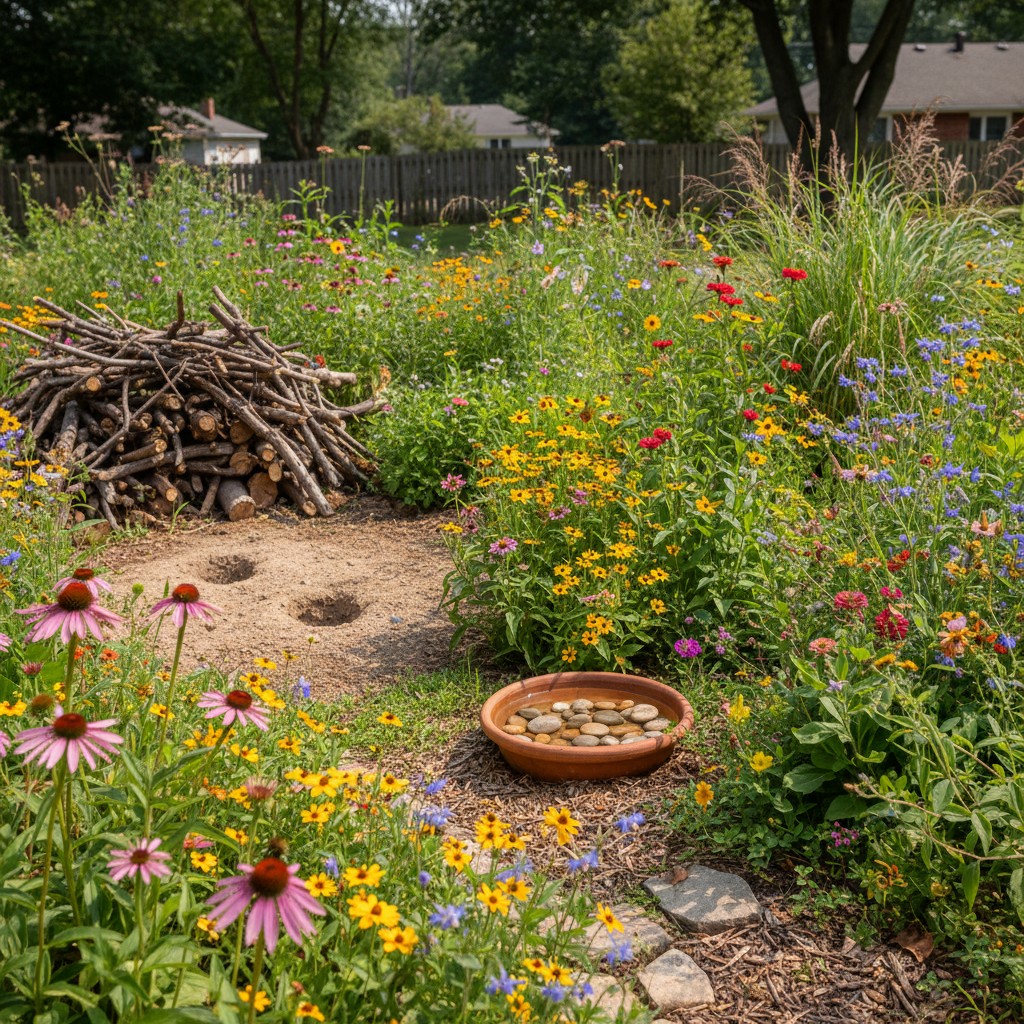
- Leave bare soil, dead stems, and leaf litter for nesting habitat
A well-meaning pollinator garden can actually harm pollinators if the plants are wrong or pre-treated with pesticides. Three rules protect the insects you are trying to help:
- Plant natives that belong in your region. Use the Xerces Society regional plant lists or the National Wildlife Federation Native Plant Finder (ZIP-code search).
- Ask before you buy. Many big-box and commercial nurseries pre-treat plants with neonicotinoid insecticides that persist in pollen and nectar for months. Ask the nursery directly whether their stock is neonic-free, or buy from a dedicated native-plant nursery.
- Skip tropical milkweed and butterfly bush unless you know they are appropriate for your region, both are covered in detail below.
The bed I put in along the back fence in 2021 was my first real attempt at a dedicated pollinator patch, about 6 by 12 feet of native perennials. By midsummer it had more bee activity than the vegetable beds, which made sense once I learned that natives produce pollen in forms native bees are actually built to collect. The following year my tomato and squash yields were noticeably better, without any extra effort on my part.
Pollinators are in trouble. Bee populations are declining, butterfly habitats are shrinking, and the insects that pollinate one-third of our food supply need our help. The good news? You can make a real difference right in your own yard by planting a pollinator garden. And the even better news? Pollinator gardens are absolutely beautiful.
When I planted my first pollinator bed three years ago, I was amazed by the difference within just one season. My vegetable garden produced noticeably more fruit, and the variety of bees, butterflies, and hummingbirds visiting daily was extraordinary. It went from a quiet garden to a buzzing, fluttering ecosystem.
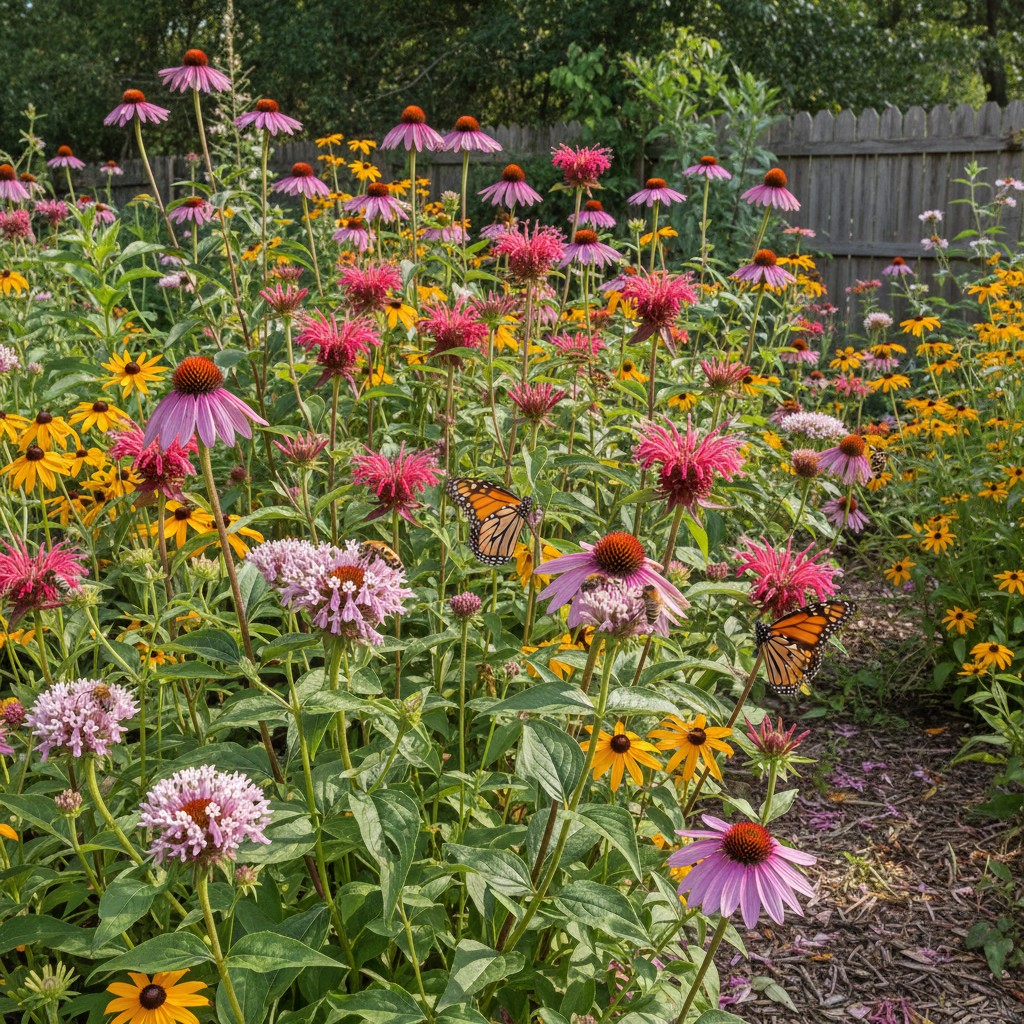
Why Do Pollinators Matter So Much?
Pollinators are responsible for one in every three bites of food we eat, and they are essential to the reproduction of 75% of flowering plants worldwide. Bees, butterflies, hummingbirds, moths, and even some beetles and flies pollinate the plants that produce our fruits, vegetables, nuts, and seeds. According to the USDA, pollinators contribute more than $24 billion to the U.S. Economy annually. Without them, our gardens would not produce food, wildflowers would not reproduce, and entire ecosystems would collapse.
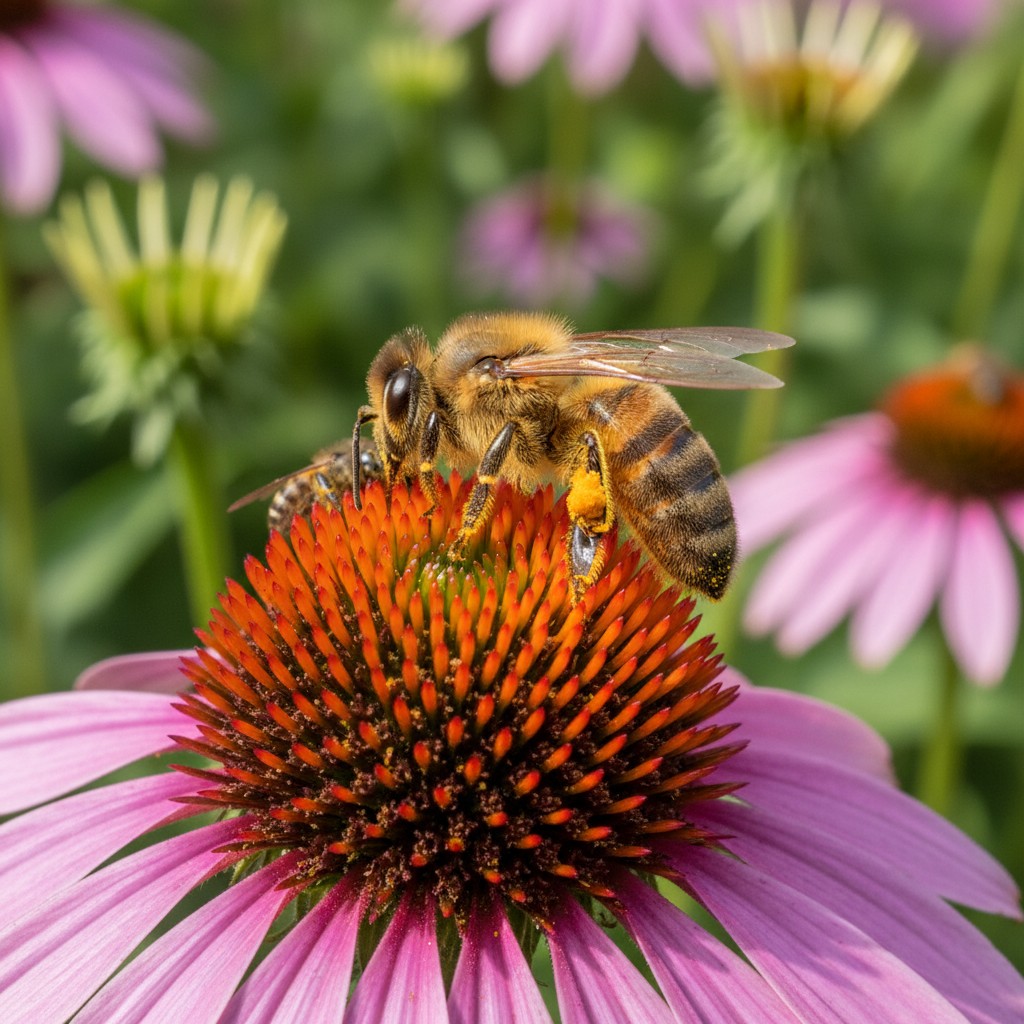
What Are the Best Plants for Pollinators?
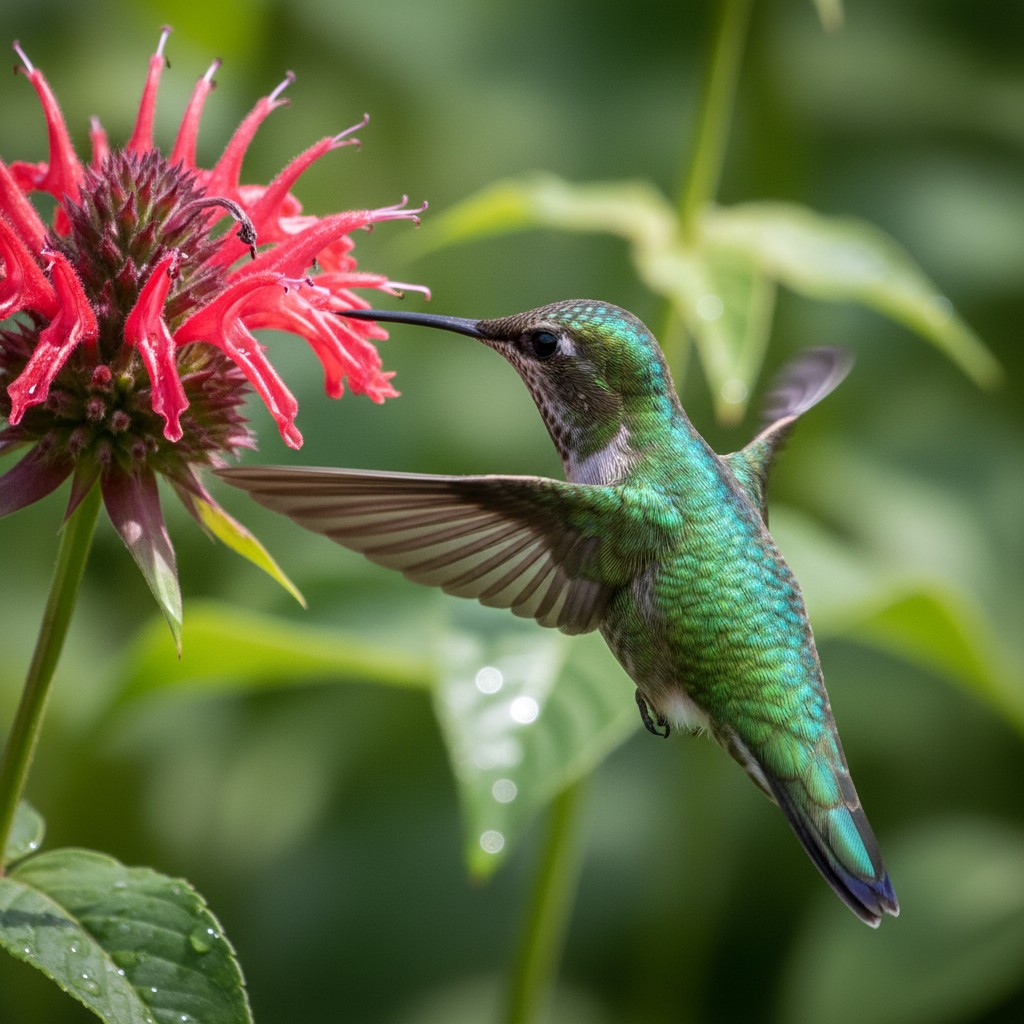
Choose native species in clusters of blue, purple, and yellow for bees; include milkweed for monarchs; and add tubular red flowers for hummingbirds.
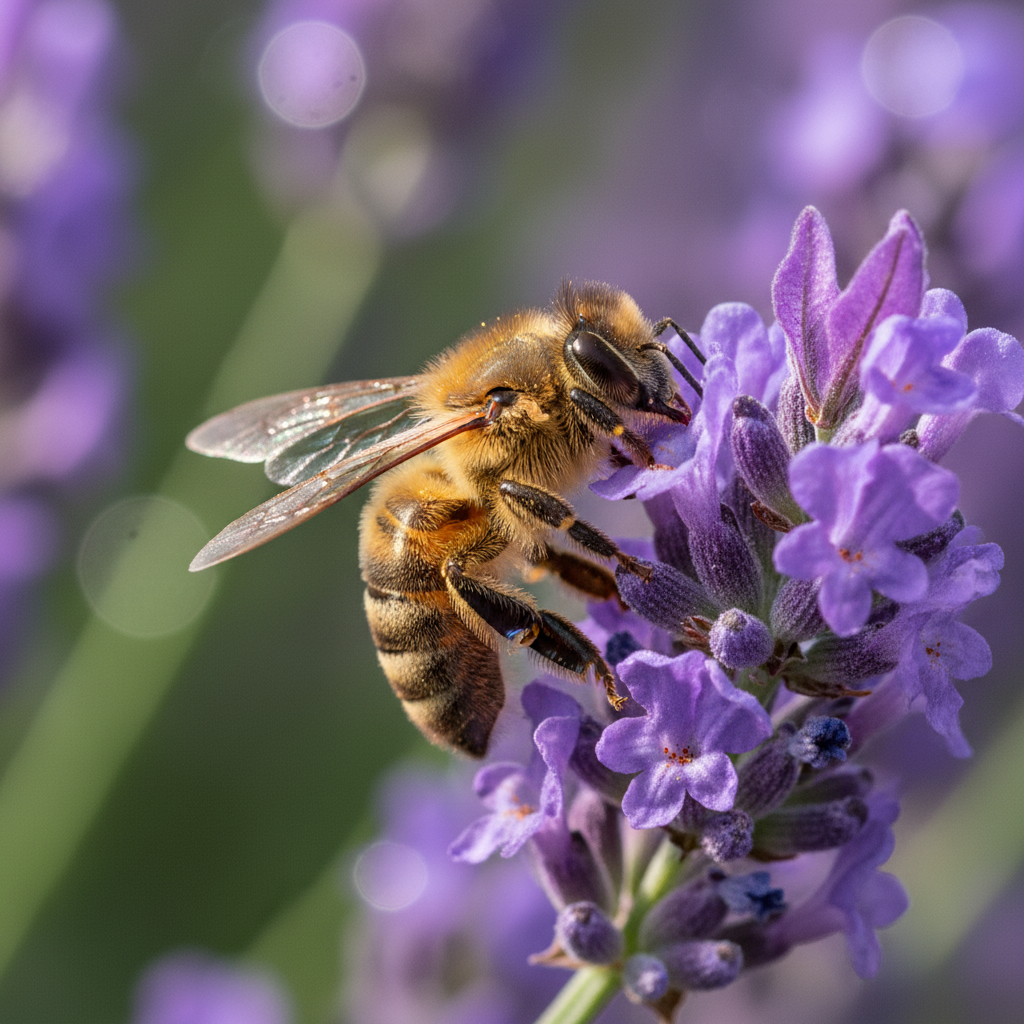
For bees: Lavender, echinacea (coneflower), sunflowers, borage, bee balm, clover, oregano (let it flower), and native wildflowers. Bees especially love blue, purple, and yellow flowers.
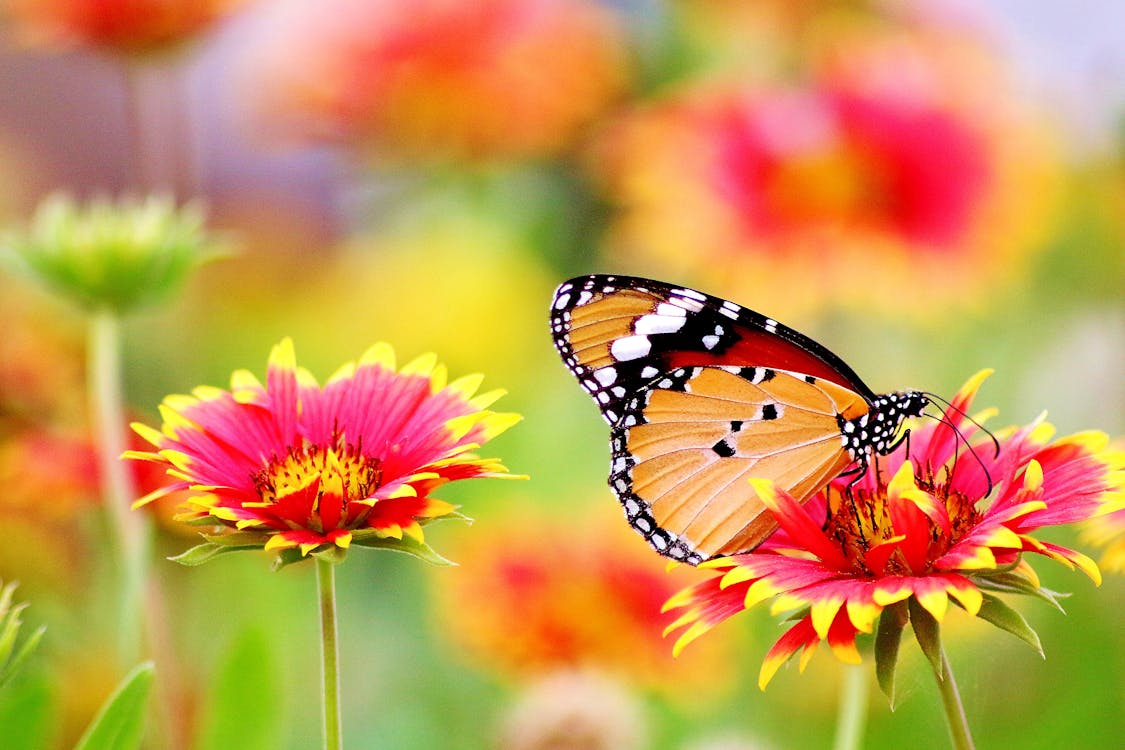
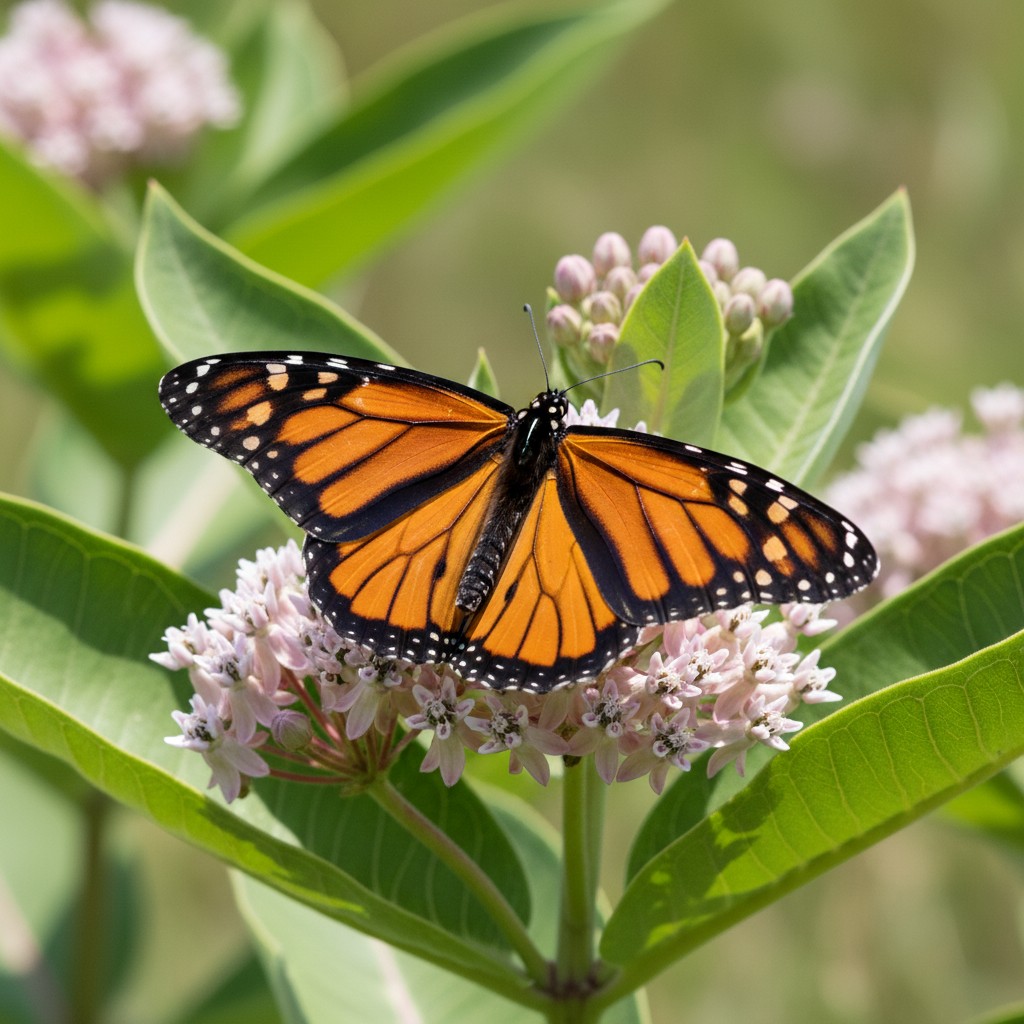
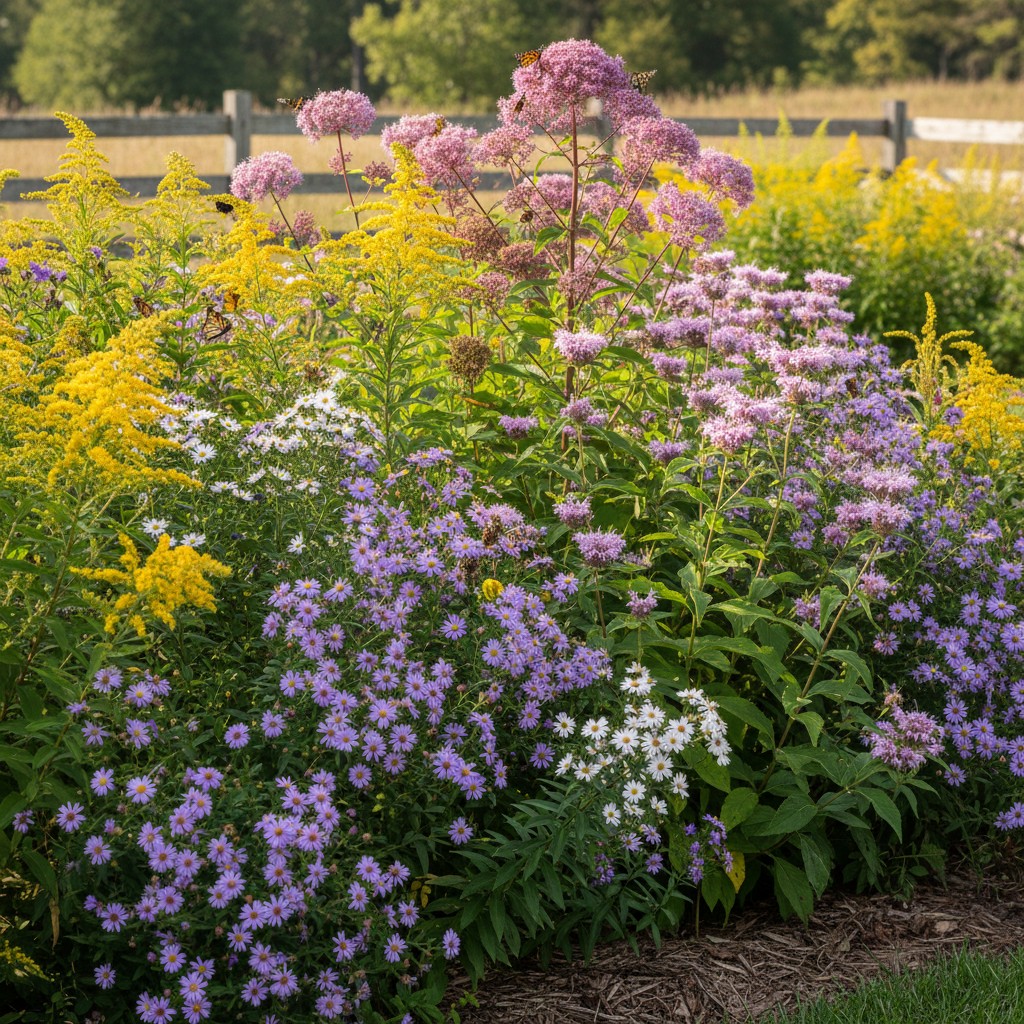
For butterflies: Native milkweed (essential for monarchs, species matters, see below), zinnias, black-eyed Susans, native asters, Joe Pye weed, and coneflower. Butterflies need both nectar plants for adults and host plants for caterpillars.
- Eastern / Midwest / Great Plains: common milkweed (A. Syriaca), swamp milkweed (A. Incarnata), butterfly weed (A. Tuberosa)
- West / Pacific: showy milkweed (A. Speciosa), narrowleaf milkweed (A. Fascicularis)
- Southwest / Desert: antelope horns (A. Asperula), butterfly weed (A. Tuberosa)
Avoid tropical milkweed (Asclepias curassavica), the bright red-and-yellow species sold at most big-box garden centers. Because it does not die back in mild winters, it harbors high loads of Ophryocystis elektroscirrha (OE), a debilitating monarch parasite, and it disrupts the migration cues that tell monarchs when to move south. If you already have tropical milkweed, the Monarch Joint Venture and Xerces Society recommend cutting it to 6 inches every autumn (and again in winter in frost-free regions) to break the OE cycle.
Butterfly bush (Buddleia davidii) caveat: it is a nectar-only plant (no caterpillar host value) and is classified as a noxious invasive in Oregon and Washington, with invasive status in parts of the Pacific Northwest, Southeast, and mid-Atlantic. Choose native alternatives like Joe Pye weed, buttonbush, summersweet, or New Jersey tea, or, where legal, plant only sterile cultivars such as ‘Lo & Behold’ or ‘Blue Chip.’
Note on lantana: lantana is a good nectar plant in frost zones where it dies back each winter, but it is invasive in Florida, Hawaii, Texas, and parts of the Gulf Coast, check your state invasive species list before planting.
For hummingbirds: Trumpet vine, cardinal flower, salvia, fuchsia, columbine, and coral honeysuckle. Hummingbirds are drawn to tubular red and orange flowers.
If you hang a feeder to supplement your hummingbird plants, follow Audubon and Cornell Lab of Ornithology guidance exactly, commercial mixes and homemade shortcuts can sicken or kill hummingbirds:
- Recipe: 1 part plain white cane sugar to 4 parts water. Boil briefly to dissolve, cool completely, refrigerate extra.
- Never use red dye. It is unnecessary (the feeder itself is red) and suspected of harming hummingbirds.
- Never use honey. It ferments quickly and grows a fungus that causes fatal tongue infections.
- Never use brown sugar, raw sugar, turbinado, or organic unrefined sugar. The iron content is toxic to hummingbirds.
- Never use artificial sweeteners or molasses. They provide no calories and can harm the birds.
- Clean the feeder every 2–3 days in summer heat (every 4–5 days in cool weather) with hot water and a bottle brush, no soap residue. Cloudy nectar or black mold means empty, scrub, and refill immediately.
| Pollinator | Favorite Colors | Top Plant Picks | Bloom Season |
|---|---|---|---|
| Honeybees | Blue, purple, yellow | Lavender, borage, clover | Spring–Fall |
| Native Bees | Blue, purple, white | Echinacea, bee balm, asters | Spring–Fall |
| Butterflies | Red, orange, pink | Milkweed, zinnias, lantana | Summer–Fall |
| Hummingbirds | Red, orange | Trumpet vine, salvia, fuchsia | Spring–Fall |
How Should You Design a Pollinator Garden?
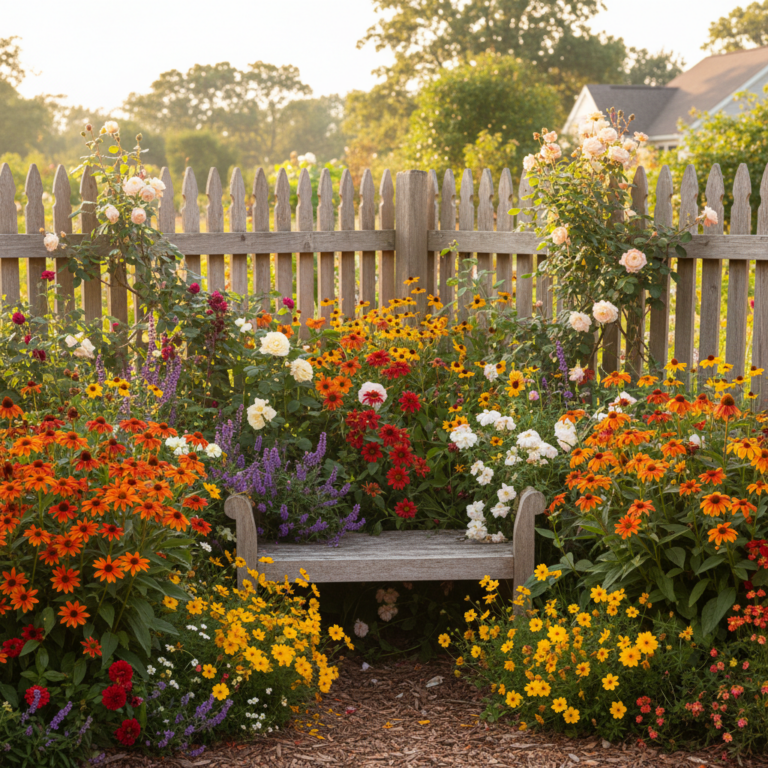
Plant in clusters of 3–5 of each species, plan for continuous bloom from spring through fall, and include native plants which are 4x more attractive to local pollinators.
From our homestead: The summer I planted my first pollinator garden, the number of butterflies in our yard tripled. My daughter started a nature journal just to keep track of all the species visiting.
- Plant in clusters. Groups of the same flower are easier for pollinators to find than single scattered plants. Aim for drifts of at least 3 to 5 of each species.
- Choose native plants. Research from the Xerces Society shows that native species are up to 4 times more attractive to native pollinators. Check with your local native plant society for recommendations.
- Bloom all season. Plan for something flowering from early spring through late fall. This ensures pollinators have food throughout their active season.
- Include different flower shapes. Flat-topped flowers for butterflies, tubular flowers for hummingbirds, and open-faced flowers for bees.
- Provide water. A shallow dish with pebbles and water gives pollinators a safe place to drink without drowning.
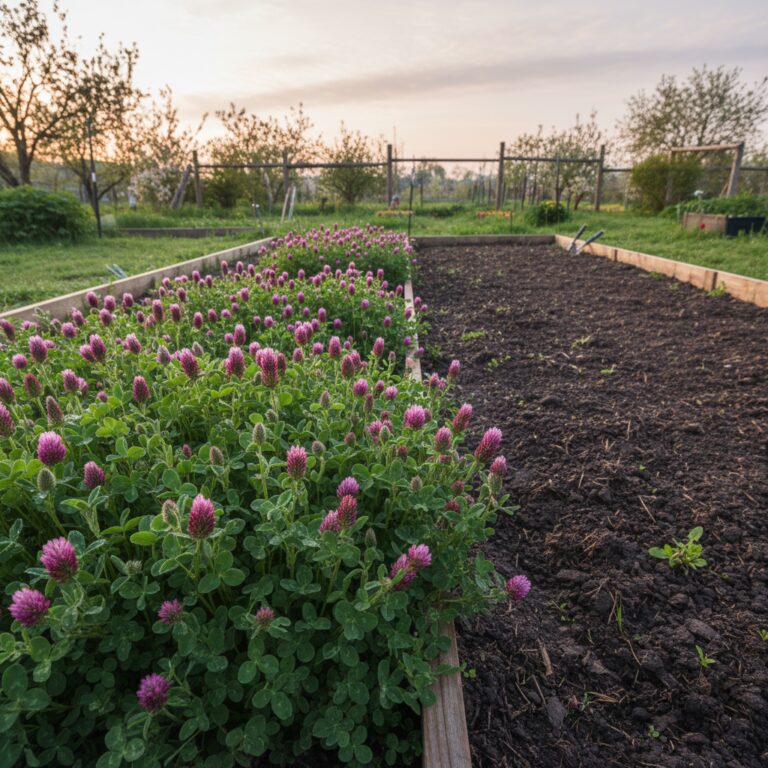
- Leave some mess. Bare patches of soil, dead stems, and leaf litter provide nesting habitat for native bees and overwintering spots for butterflies.
What Should You Avoid in a Pollinator Garden?
Pesticides are the single biggest threat to pollinators, even organic sprays can harm beneficial insects when applied during bloom. If you must treat for pests, spray at dusk after bees have stopped foraging, never on open blooms, and even OMRI-listed organic insecticides (spinosad, pyrethrin, neem) are lethal to bees on contact while wet. Neonicotinoids (imidacloprid, clothianidin, thiamethoxam, dinotefuran) are particularly harmful to bees, a single treated plant can stay toxic to pollinators for months, because the pesticide moves systemically into pollen and nectar. Plant tags rarely disclose this. Ask the nursery directly: “Are these plants neonic-free?” If they cannot tell you, assume they are treated. The safest source is a dedicated native-plant nursery, a local native plant society sale, or plants you have grown from seed yourself. See our natural pest control guide for pollinator-safe alternatives.
Plants to use with caution or avoid in a pollinator garden: Tropical milkweed (Asclepias curassavica), outside the deep South (Zones 9–11), it does not die back in winter, which can disrupt monarch migration by providing year-round habitat that encourages them not to fly south; use native milkweed species for your region instead. Butterfly bush (Buddleja davidii), banned or restricted in Oregon, Washington, and parts of the Southeast due to invasive spread; adult butterflies visit but it provides no caterpillar host value. English ivy: invasive throughout much of the U.S. And crowds out native understory. Russian sage (Perovskia), attractive to bees but invasive or escaping in some dry-west habitats; check your region before planting at scale. Always prioritize locally native species, which co-evolved with your local pollinators.
A pollinator garden does double duty: it feeds the creatures that make your vegetable garden productive, and it fills your yard with color, movement, and life. Pair it with beekeeping for the ultimate pollinator paradise, or plant alongside a cutting garden for beauty and function in one space. Even a small patch of wildflowers makes a difference. Plant it and they will come.
Frequently Asked Questions
A: Any size helps! Even a few containers on a patio or a 3×3 foot patch can provide valuable forage. The trick is diversity and continuous bloom, not size.
A: Most pollinator plants prefer full sun, but shade options exist. Woodland wildflowers like wild geranium, columbine, and Virginia bluebells support pollinators in partial shade.
A: Plant native milkweed, it is the only plant monarchs use for laying eggs, but which species matters. Choose a species native to your region (A. Tuberosa, A. Incarnata, or A. Syriaca in most of the eastern and central U.S.; A. Speciosa or A. Fascicularis in the West). Avoid tropical milkweed (A. Curassavica), which builds up the OE parasite and disrupts migration. Pair milkweed with native nectar plants like coneflower, Joe Pye weed, and asters for the adults. See the Monarch Joint Venture for region-specific guidance.
A: Mason bee houses can be helpful for solitary bees if maintained properly. Clean them annually to prevent disease. However, providing diverse native plants and bare soil is even more impactful for supporting native bee populations.
A: Some wasps may visit, but they are generally beneficial, they pollinate and eat garden pests. Aggressive wasps like yellowjackets are attracted to food and trash, not flower gardens.