-
-
DIY Beeswax Wraps: A Simple, Reusable Alternative to Plastic Wrap
TL;DR: Key Takeaways DIY beeswax wraps cost about $2–3 each to make and replace plastic wrap for most food storage. You need three core ingredients: beeswax (FDA-affirmed GRAS under 21 CFR 184.1973), food-grade pine rosin (permitted for food contact under 21 CFR 175.300), and jojoba oil for flexibility. Each wrap lasts 6–12 months with proper…
-
How to Make Homemade Soap: A Beginner’s Guide to Cold Process Soap Making
TL;DR: Key Takeaways Cold process soap making requires just 3 core ingredients: oils/fats, lye (sodium hydroxide), and water. Lye is essential, all true soap requires saponification between lye and fat. Properly made soap cures in 4–6 weeks and contains zero remaining lye, completely safe for skin. A basic batch makes 8–10 bars for about $1–2…
-
Building a 3-Month Emergency Food Pantry on a Budget
TL;DR: Key Takeaways A 3-month emergency pantry for a family of 4 costs $300–600 built gradually over 8–12 weeks. Focus on shelf-stable staples: rice, beans, oats, canned goods, pasta, peanut butter, and cooking oils. FEMA recommends every household store at least a several-day supply (two weeks preferred) of non-perishable food. USDA FSIS: low-acid canned foods…
-
How to Store Your Harvest: Root Cellaring Basics for Beginners
TL;DR: Key Takeaways Root cellaring preserves produce for 1–6+ months without electricity, canning, or freezing. Ideal conditions: 32–40 degrees F and 85–95% humidity for most root vegetables. You do not need an actual cellar, buried containers, basement corners, and unheated garages work. Potatoes, carrots, beets, turnips, apples, cabbage, and winter squash are the best root…
-
Worm Composting (Vermicomposting): Turn Kitchen Scraps into Black Gold Indoors
TL;DR: Key Takeaways Vermicomposting uses red wiggler worms to turn kitchen scraps into nutrient-rich castings, the black gold of fertilizers. Worm castings contain 5x more nitrogen, 7x more phosphorus, and 11x more potassium than average garden soil. A worm bin can be set up for under $30 and fits in a kitchen, garage, basement, or…
-
Raising Quail: The Perfect Micro-Livestock for Small Homesteads
🌿 TL;DR – Key Takeaways Coturnix quail mature in just 6-8 weeks and can produce 300+ eggs per year per hen. They need as little as 1-2 square feet per bird, perfect for small backyards or even urban settings. Coturnix quail are quieter than chickens and some municipalities that restrict chickens allow them, but always…
-
Foraging Dandelions: The Free Superfood Growing in Your Yard
🌿 TL;DR – Key Takeaways Every part of the dandelion is edible, leaves, flowers, and roots, and packed with vitamins A, C, and K. One cup of raw dandelion greens provides 112% of your daily vitamin A needs. Harvest from areas free of pesticides and herbicides, ideally your own yard or known-safe locations. Dandelions can…
-
Meal Planning from the Garden: How to Eat What You Grow All Week
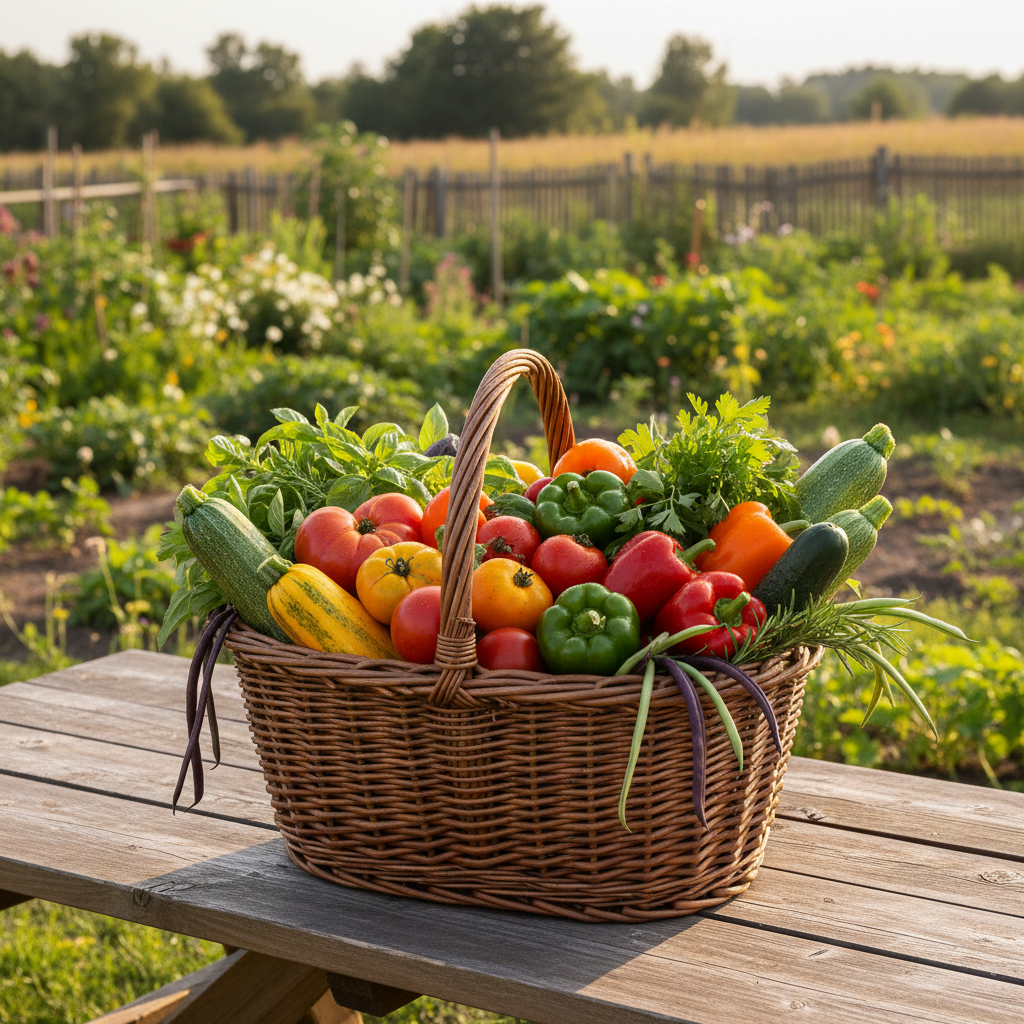
🌿 TL;DR – Key Takeaways Planning meals around your garden harvest (not the other way around) can reduce grocery spending by 30-50%. The USDA ERS estimates 31% of food available to consumers goes uneaten, planning from your harvest is one of the easiest fixes. Succession planting and strategic crop choices keep your kitchen stocked from…
-
Homemade Herb Butter and Infused Oils: Preserve Your Herb Harvest
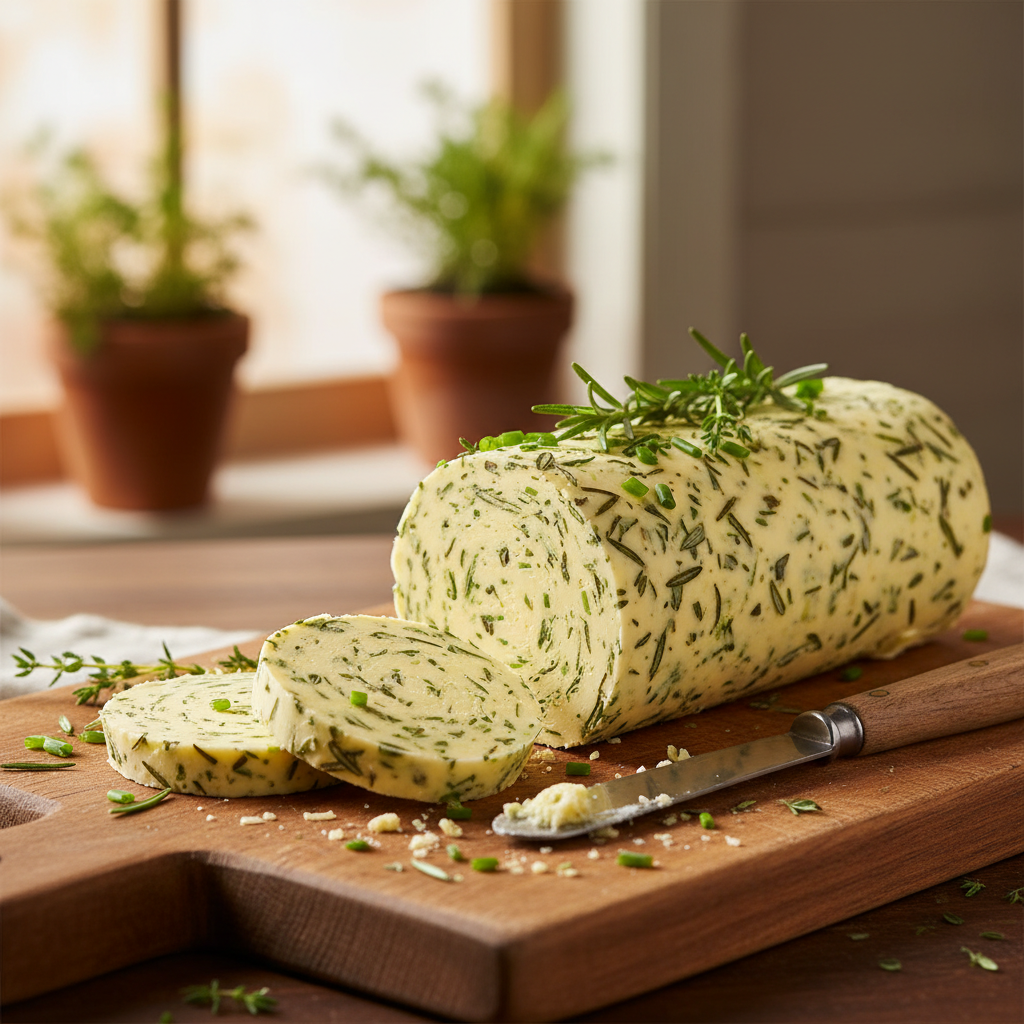
🌿 TL;DR – Key Takeaways Herb butter takes just 10 minutes to make and freezes beautifully for 3+ months. Infused oils must be made safely, garlic-in-oil poses botulism risk if not handled properly. Both are incredible ways to preserve garden herbs at peak freshness. Compound butters and infused oils make thoughtful, low-cost homemade gifts. September…