Fermentation for Beginners: How to Preserve Your Harvest and Boost Your Gut Health
🌿 Key Takeaways
- Fermentation is the only preservation method that increases nutritional value
- Sauerkraut needs just 2 ingredients: cabbage and salt
- Use a 2–3% salt ratio by weight for safe, consistent vegetable ferments
- Properly fermented vegetables last 6–12 months refrigerated
- Startup cost: under $20 if you already have mason jars
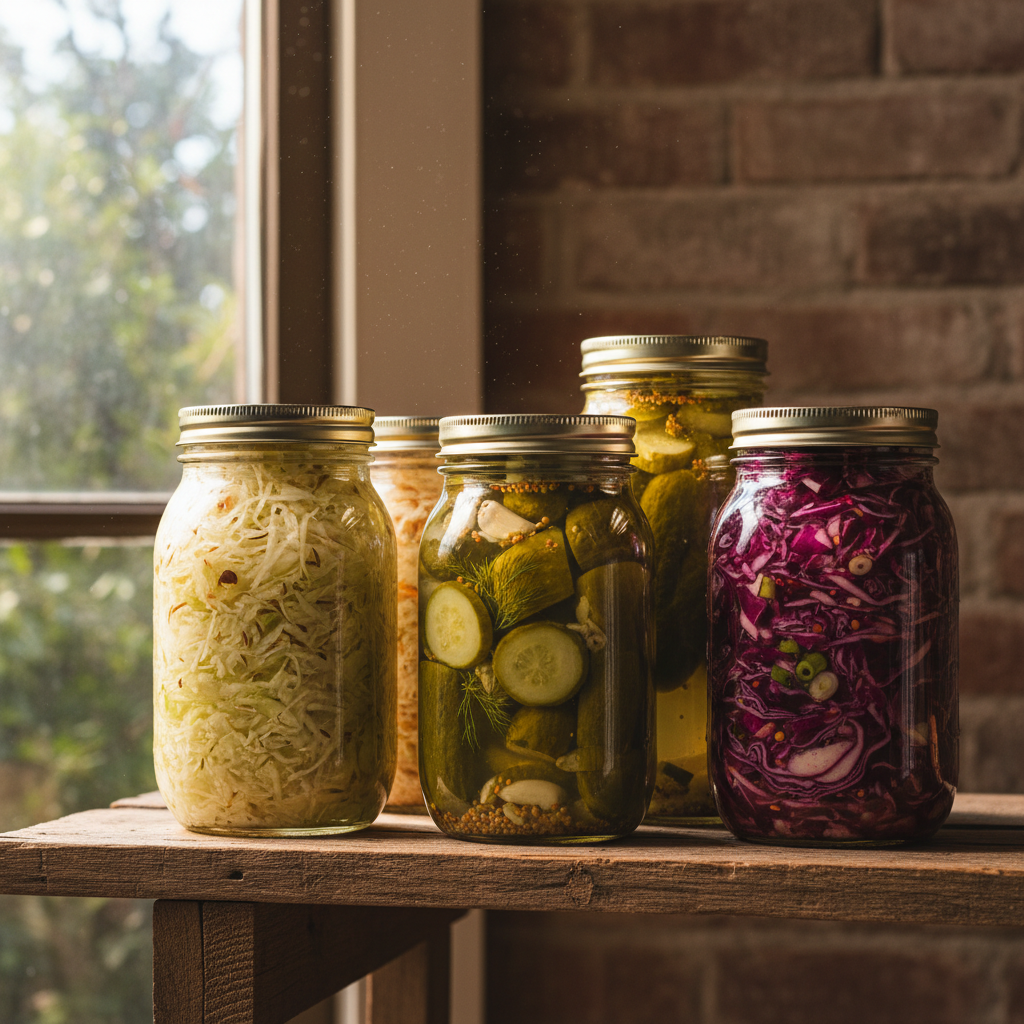
Long before refrigerators existed, people preserved food through fermentation. In 2026, this ancient practice is making a massive comeback, and not just because it is trendy. Fermentation is practical, delicious, gut-healthy, and one of the simplest ways to stock your pantry with food that lasts. I started with a single jar of sauerkraut two years ago and now I have a dedicated shelf of fermented hot sauces, pickles, kimchi, and salsa that carry us through the winter months.
Why Is Fermentation So Popular Right Now?
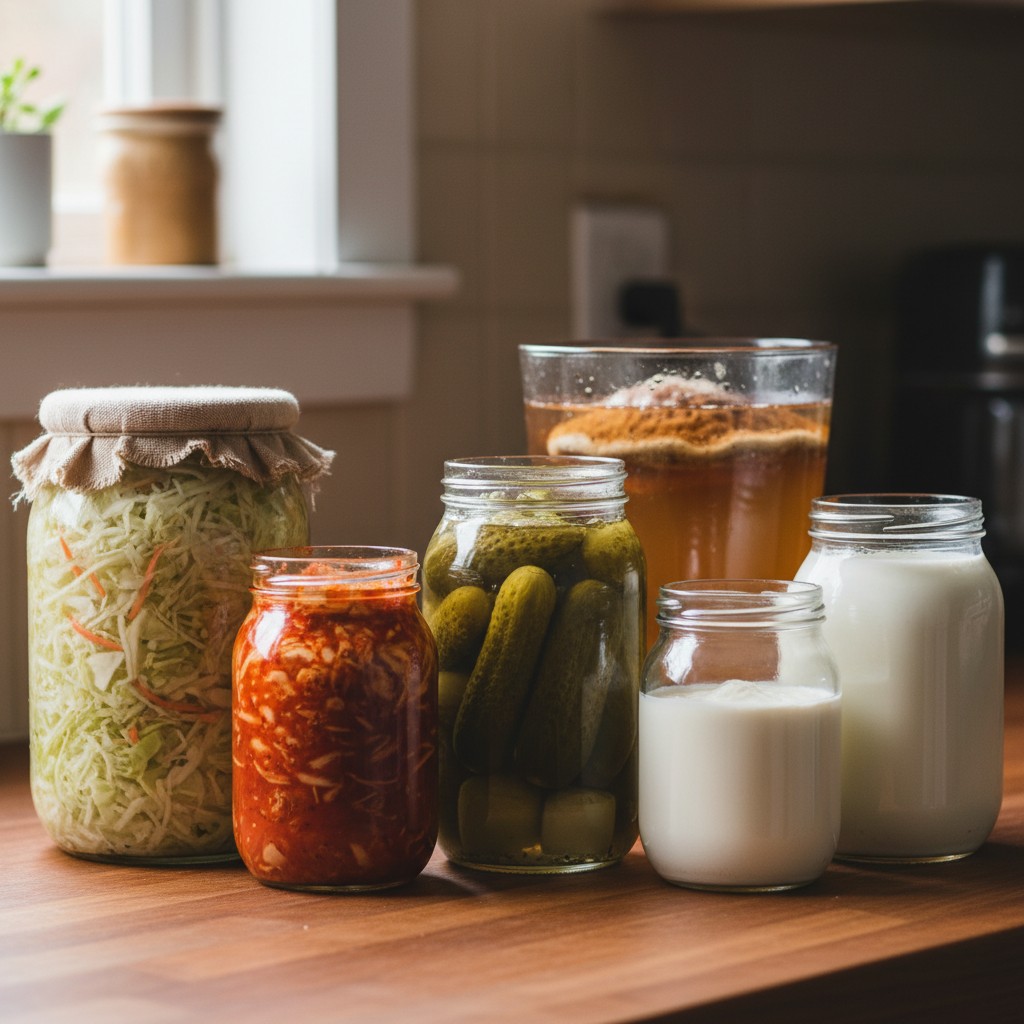
Fermentation is the only preservation method that actually increases the nutritional value of food, and it costs almost nothing to start. The science on the gut microbiome has exploded in recent years, and fermented foods deliver diverse probiotic strains alongside prebiotics and beneficial enzymes. When a jar of store-bought sauerkraut costs six dollars and you can make a gallon at home for the price of a cabbage and salt, the math speaks for itself.
How Does Fermentation Actually Work?
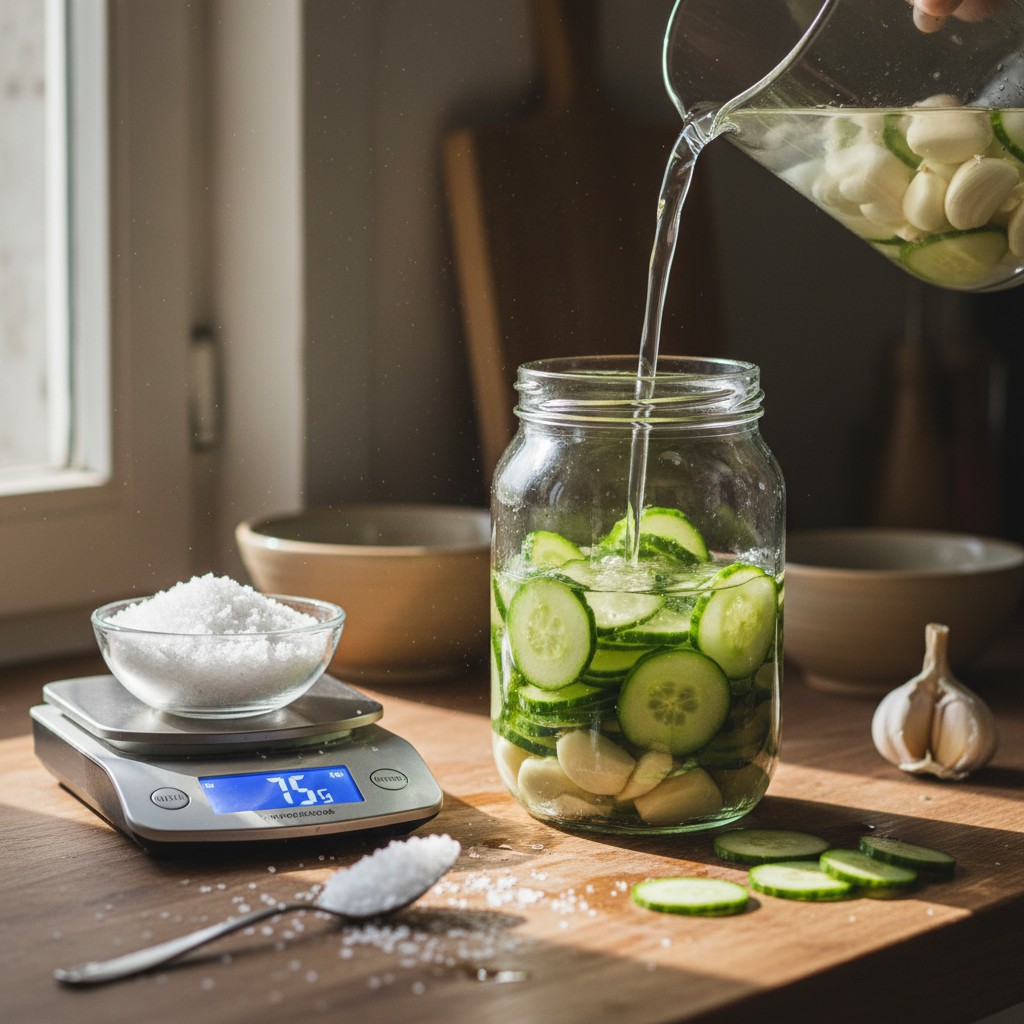
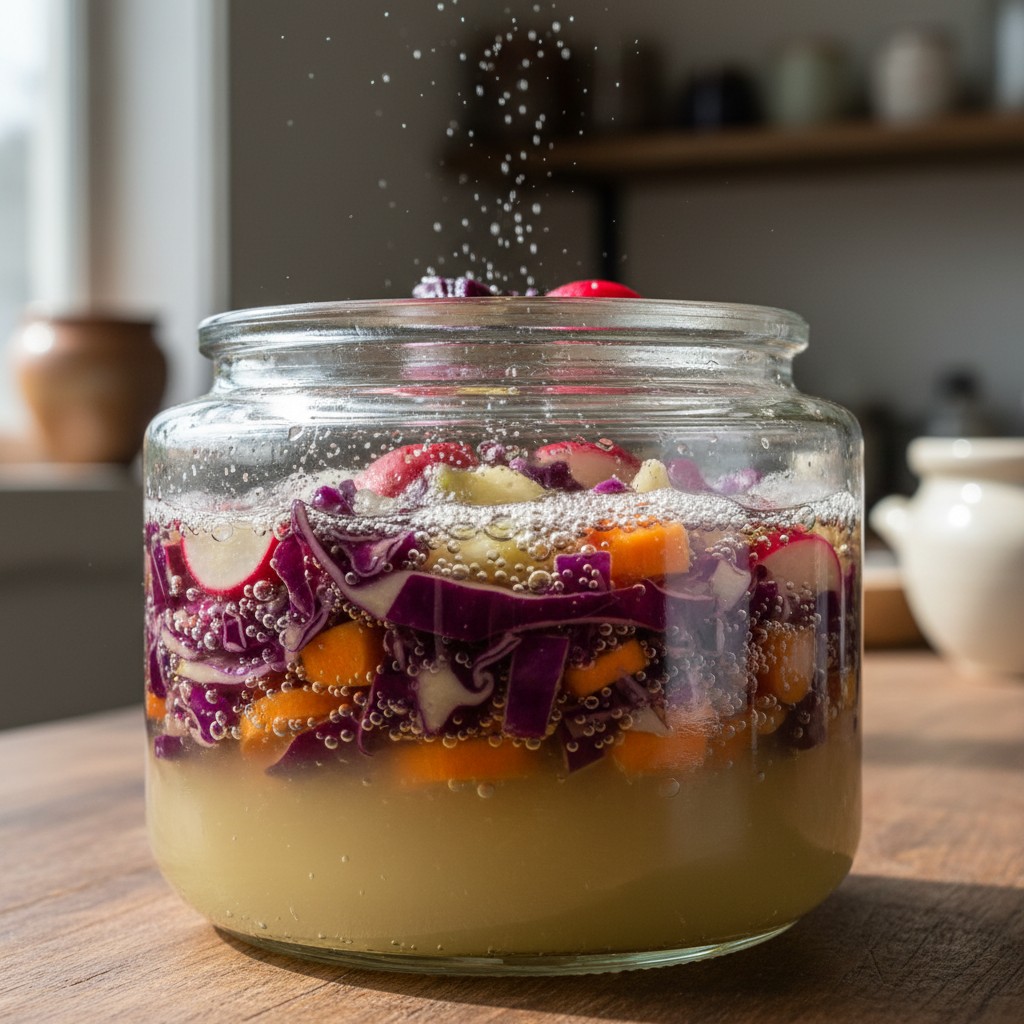
Beneficial bacteria (primarily Lactobacillus) convert sugars in food into lactic acid, which naturally preserves the food, creates tangy flavor, and produces probiotics. All you need is fresh vegetables, non-iodized salt, filtered water, a jar, and patience. No starter cultures needed for most vegetable ferments.
What Are the Five Essential Fermented Foods to Learn?
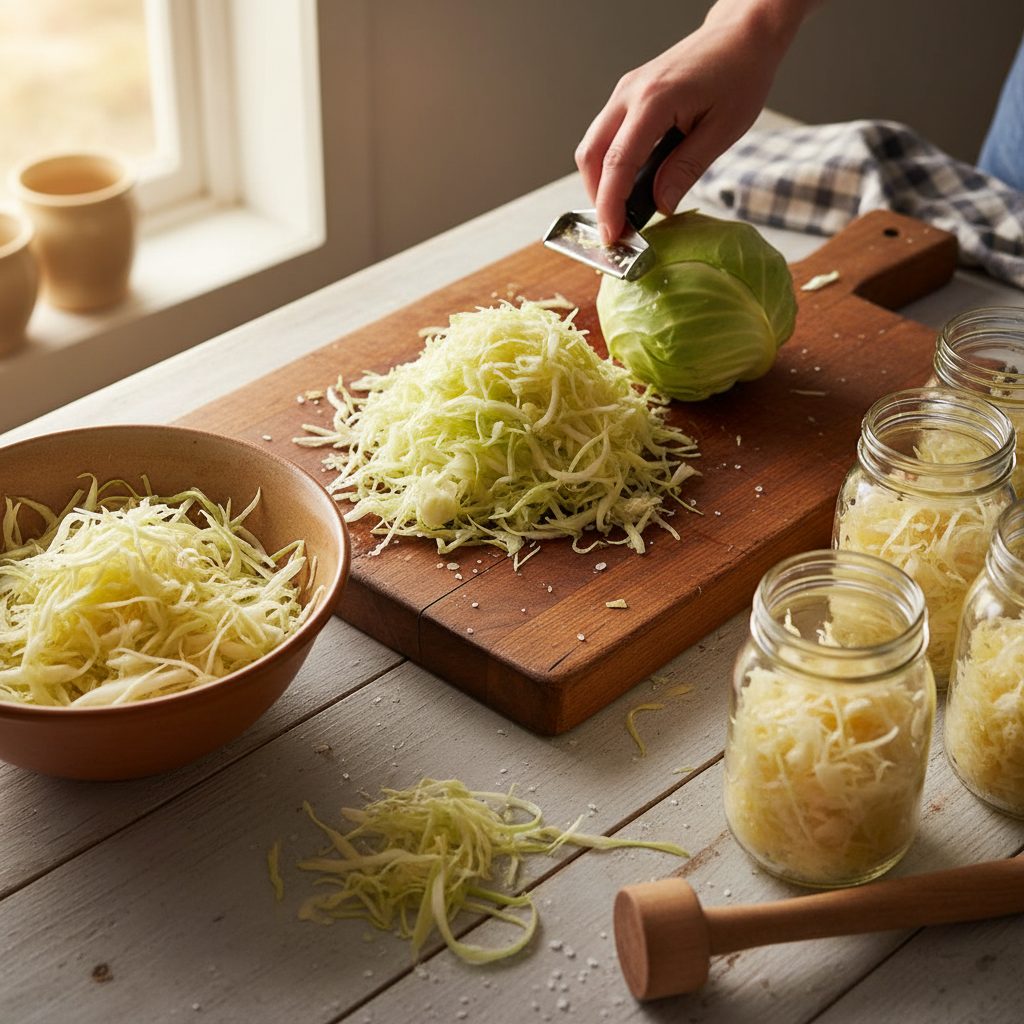
Master these five ferments and you will have skills that cover almost every vegetable your garden produces.
From our homestead: My first batch of sauerkraut sat on the counter for two weeks while I nervously checked it every day. When I finally tasted it, I couldn’t believe I’d been buying the store-bought stuff for years.
1. Sauerkraut: The Gateway Ferment. Two ingredients: cabbage and salt. Shred, salt, massage, pack into a jar, keep submerged in brine, and wait 1–4 weeks. That is it. Once you nail sauerkraut, you are ready for anything.
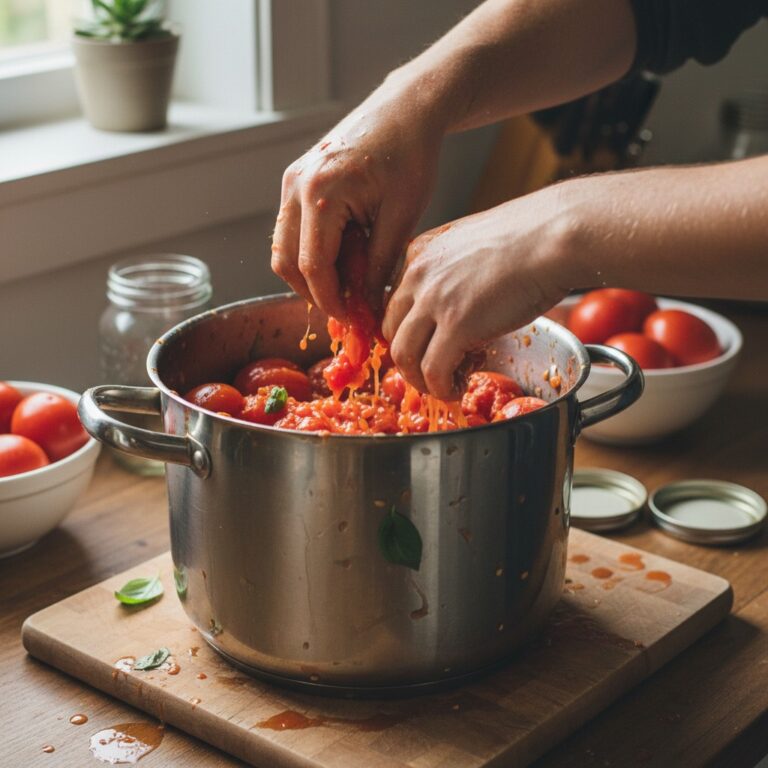
2. Fermented Salsa. Dice tomatoes, peppers, onions, and cilantro from your garden. Add 2–3% salt brine and ferment 2–3 days. The tangy, probiotic-rich result has incredible depth of flavor.
3. Kimchi. Napa cabbage with Korean chili flakes, garlic, ginger, and scallions. Same basic salt-pack-submerge technique as sauerkraut with bolder flavor.
4. Fermented Hot Sauce. Chop hot peppers, add garlic, cover with 3% salt brine, ferment 1–2 weeks, then blend. The complexity beats vinegar-based sauces hands down.
5. Water Kefir. Ferment sugar water with kefir grains for 24–48 hours, then add fruit for a fizzy second ferment. A healthier homemade soda that kids love and costs pennies.
Which Garden Crops Should You Grow for Fermenting?
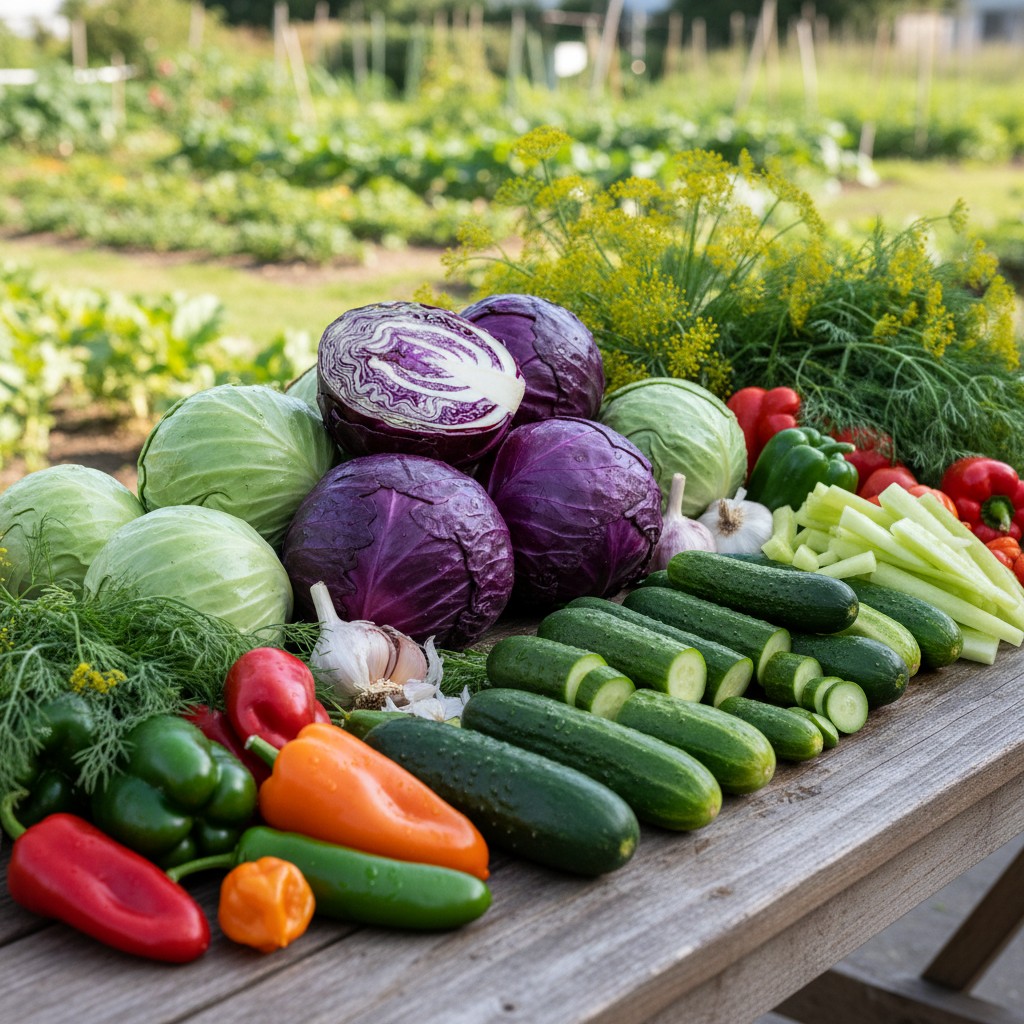
Design a preserver’s garden around your fermenting goals and every crop has a destination.
- Cabbage. Green and napa for sauerkraut and kimchi
- Cucumbers. Pickling varieties for naturally fermented pickles
- Hot peppers. Jalapenos, habaneros, cayenne for hot sauce
- Garlic. Used in nearly every ferment; try fermented garlic honey too
- Tomatoes. For salsa, ketchup, and paste
- Herbs. Dill for pickles, cilantro for salsa, basil for fermented pesto
- Radishes and carrots. Quick-fermenting roots for tangy crunchy snacks
Is Fermentation Safe?
Properly done lacto-fermentation is one of the safest food preservation methods that exists. The lactic acid environment prevents harmful bacteria like botulism, E. Coli, and salmonella from surviving. The National Center for Home Food Preservation confirms that vegetable fermentation has a long safety record spanning thousands of years.
The key food-safety number to know: pH 4.6 or below. At this acidity level, Clostridium botulinum cannot produce toxin. Properly done lacto-fermentation drives pH down to 3.5–4.0, well within the safe zone, within the first few days. This is why keeping vegetables submerged in brine and maintaining the correct salt level is so important: it allows the beneficial lactobacillus bacteria to acidify the environment quickly.
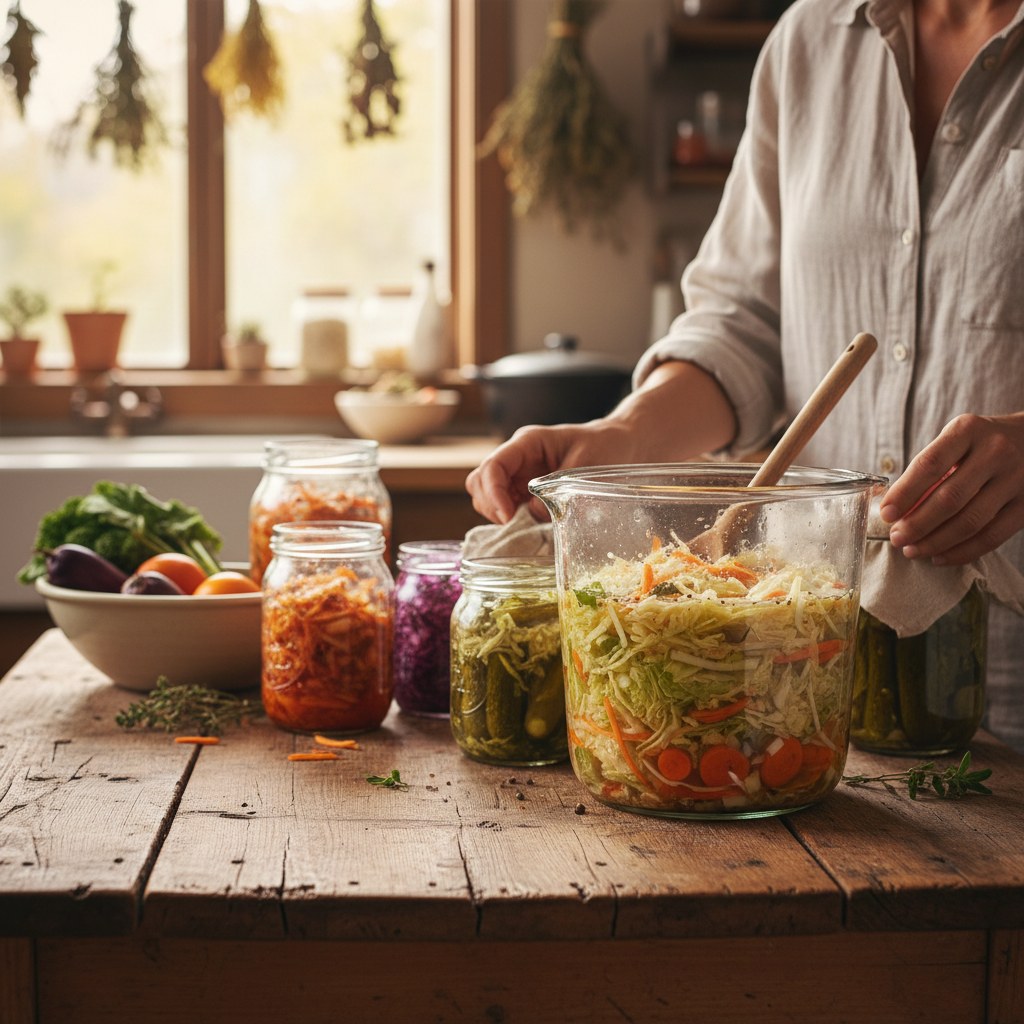
- Keep vegetables submerged below the brine at all times, this is the single most important safety practice. If brine evaporates or vegetables absorb liquid and rise above the surface, top up with fresh 2% salt brine (about 1 teaspoon of non-iodized salt per cup of water) rather than plain water, which would dilute your salt concentration
- Use clean (not necessarily sterilized) jars and utensils
- Use 2–3% salt by weight (ideally measured by weight: 9–14 g per pound of vegetables, since 1 tablespoon ranges from ~2% (Diamond Crystal kosher) to ~4% (fine sea salt) depending on brand)
- Ferment at room temperature, ideally 68–72°F; above 78°F risks off flavors
- Trust your senses, good ferments smell tangy and sour, never rotten or slimy
What a failed ferment looks like: Discard and do not eat a ferment if you see pink or black mold on the surface or jar walls, notice a slimy or slippery texture on the vegetables (not to be confused with normal brine viscosity), or smell something foul or putrid rather than pleasantly sour. Kahm yeast: a flat, white, powdery or filmy layer, is harmless and common; simply skim it off and press vegetables back under the brine. When in doubt, throw it out. Properly made lacto-ferments almost never fail if vegetables stay submerged.
| Equipment | What It Does | Estimated Cost | Essential? |
|---|---|---|---|
| Wide-mouth mason jars | Fermentation vessel | $8–$12 / dozen | Yes |
| Glass fermentation weights | Keep veggies submerged | $5–$10 | Recommended (zip bag works) |
| Airlock lids | Let CO2 out, keep air out | $8–$15 | Nice to have |
| Non-iodized salt | Drives fermentation | $3–$5 | Yes |
| Kitchen scale | Accurate salt measurement | $10–$15 | Recommended |
How Long Does Fermented Food Last?
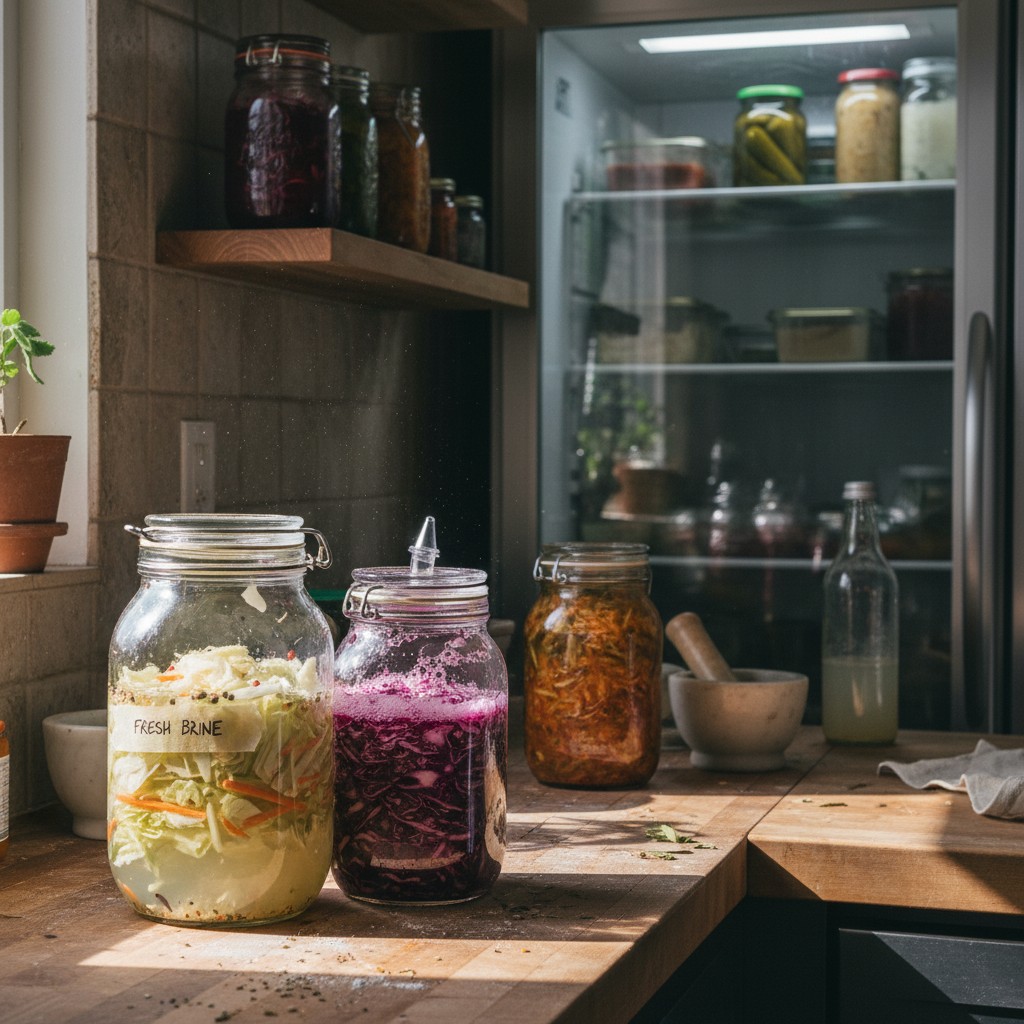
Fermented vegetables stored in the refrigerator last 6 to 12 months easily, many fermenters enjoy sauerkraut and pickles well beyond a year. In a cool root cellar below 50 degrees, they last even longer. The flavor develops slowly, becoming more complex and sour over time.
What Else Can You Ferment Beyond Vegetables?
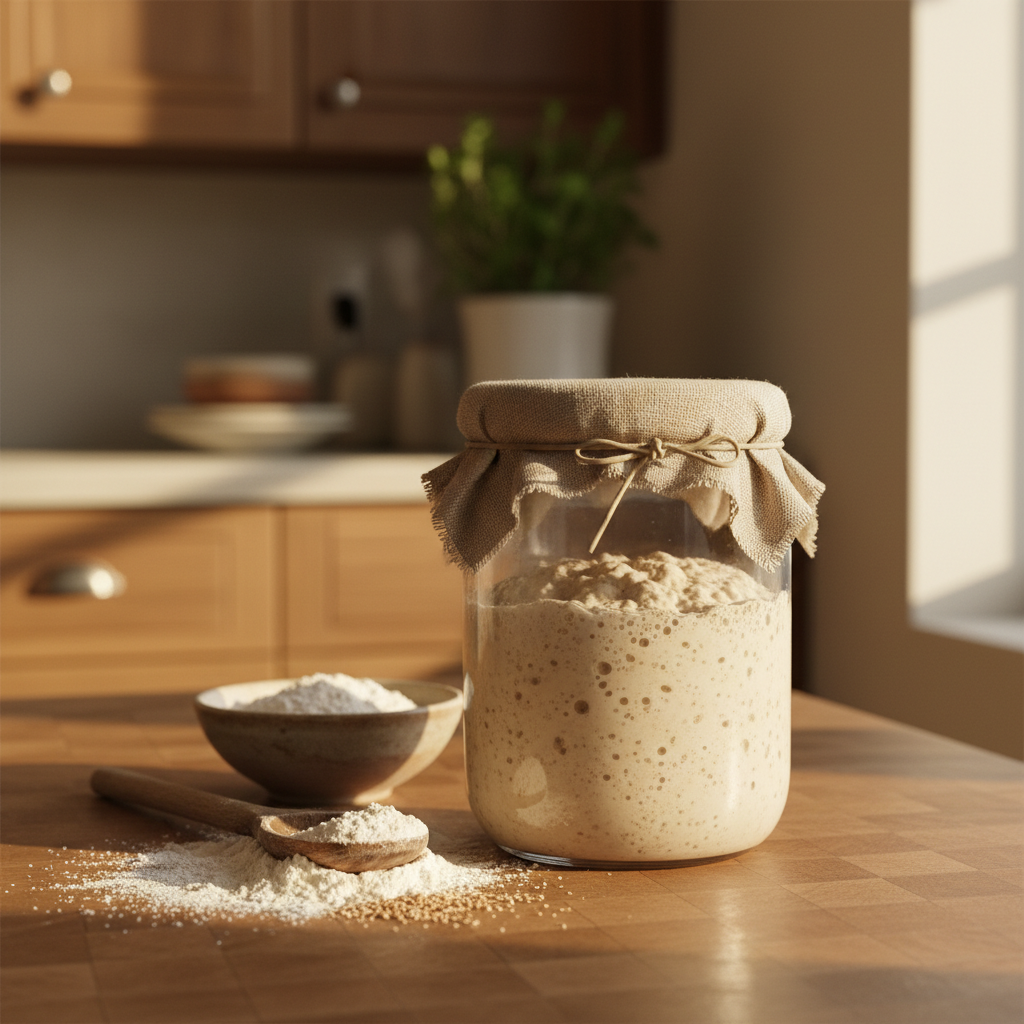
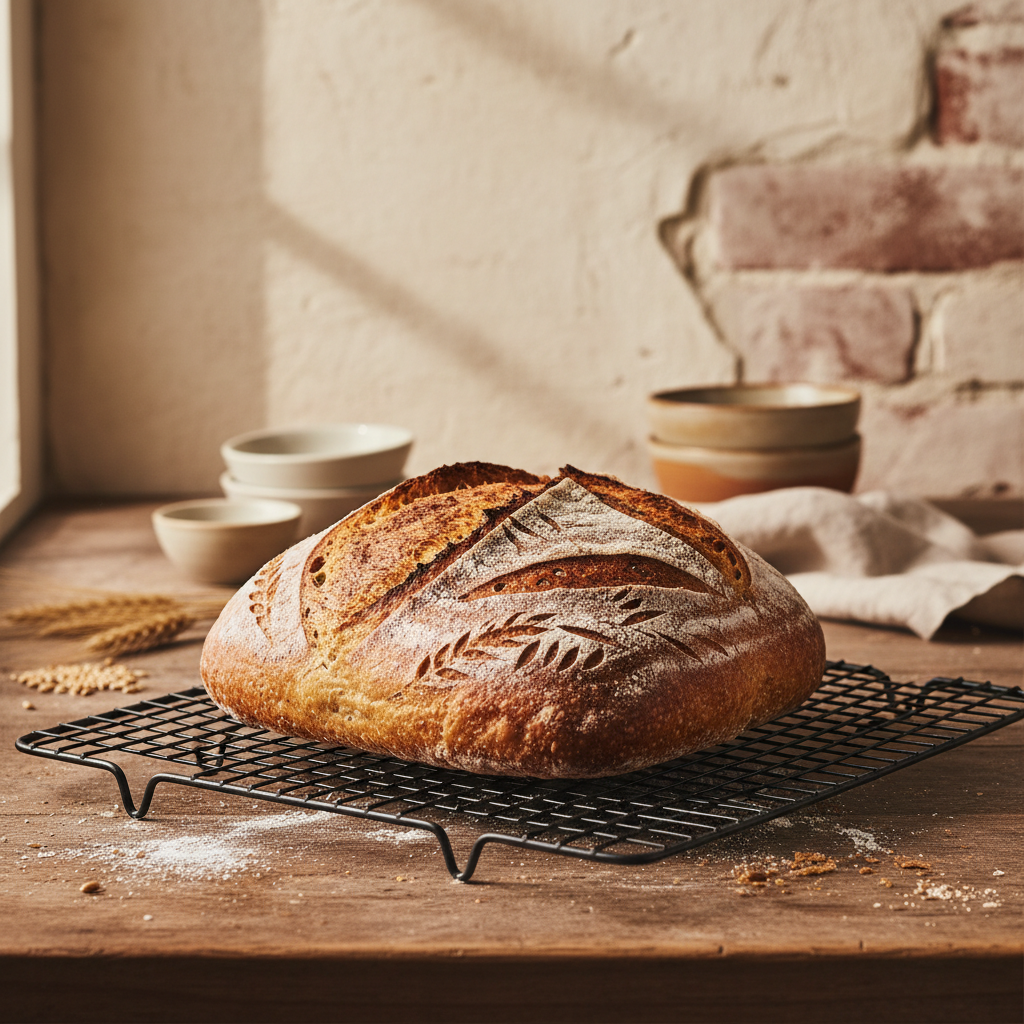
- Sourdough bread. Made with a naturally fermented starter
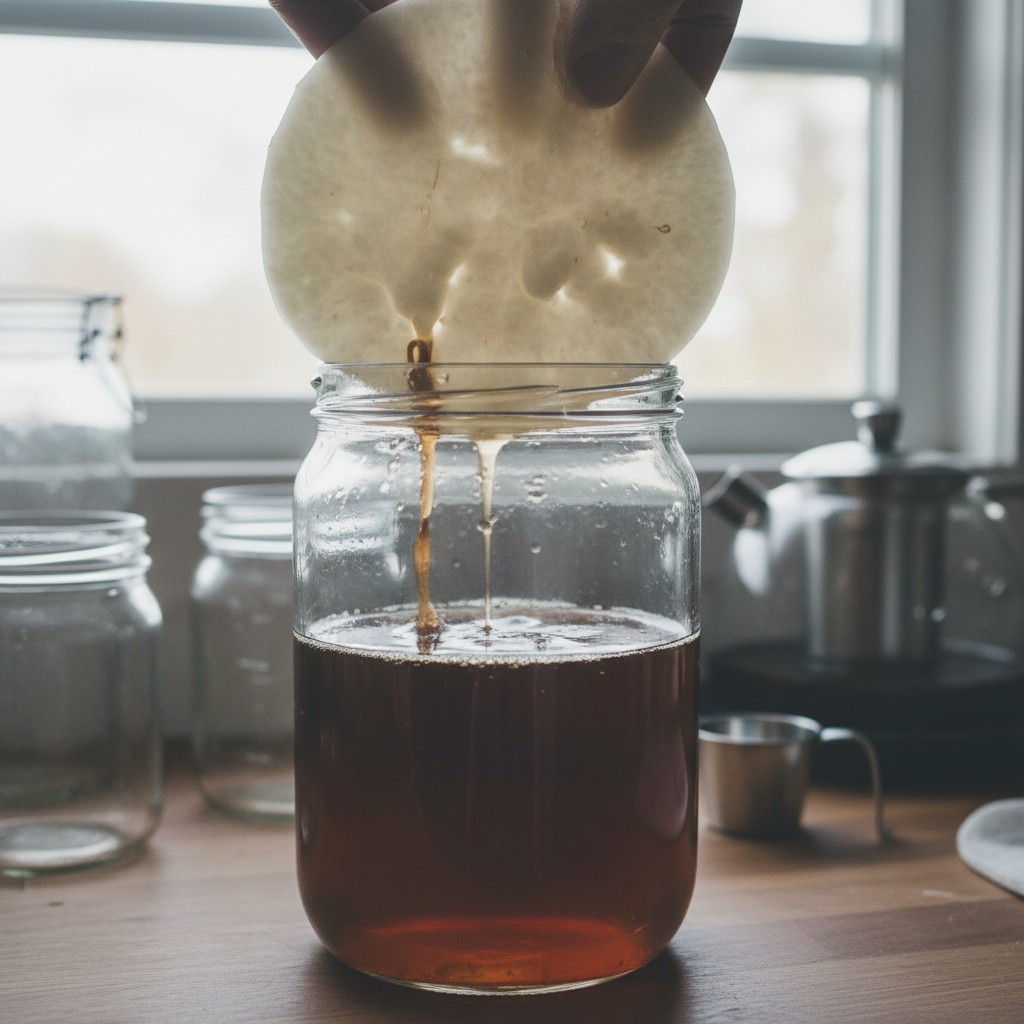
- Kombucha. Fermented sweet tea with a SCOBY culture
- Yogurt. Fermented milk, simple to make at home
- Fermented garlic honey. Garlic cloves in raw honey, fermented for weeks
- Miso. A longer 6–12 month project but deeply rewarding
- Apple cider vinegar. Made from apple scraps and sugar water
Fermentation rewards action, not overthinking. Pick up a head of cabbage and a box of sea salt this week and make your first batch of sauerkraut. That first successful jar will change how you think about food preservation forever.
Frequently Asked Questions
What is the easiest thing to ferment for beginners?
Sauerkraut. It needs only two ingredients (cabbage and salt), is very forgiving, and teaches you all the fundamentals of lacto-fermentation.
Do I need special equipment to start fermenting?
No. A wide-mouth mason jar, non-iodized salt, and a weight to keep vegetables submerged is all you need. Total cost: under $20.
Can fermented food go bad?
Properly fermented food is extremely safe. If something smells rotten (not just sour), looks slimy, or has black/pink mold, discard it. These signs are rare when you follow the 2–3% salt rule and keep food submerged.
How do I know when fermentation is done?
Taste it! There is no exact endpoint. Most vegetable ferments are ready in 3–7 days but improve with more time. When it tastes tangy and delicious to you, move it to the fridge.
Is kombucha the same as water kefir?
No. Kombucha is fermented sweet tea using a SCOBY culture. Water kefir is fermented sugar water using kefir grains. Both produce fizzy probiotic drinks but use different cultures and bases.