Homemade Herbal Tea Blends from Your Garden
Homemade Herbal Tea Blends from Your Garden
- Growing your own tea herbs is easy, most thrive in average garden soil with minimal care
- Herbal teas can be blended by purpose: sleep, digestion, immunity, energy, and relaxation
- Both fresh and dried herbs make excellent tea, with dried herbs offering more concentrated flavor
- Proper drying and storage preserves potency for up to a year
- A small herb garden can produce enough tea to replace most store-bought boxes entirely
Herbal teas are food-like for most healthy adults in ordinary culinary amounts, but several herbs in this article have documented contraindications. Talk to your physician or a clinically trained herbalist before drinking medicinal-strength blends daily if any of the following apply to you:
- Pregnancy or nursing, avoid sage, rosemary in medicinal amounts, pennyroyal, tansy, and parsley seed; limit any herb you have not specifically cleared
- Autoimmune disease (MS, lupus, rheumatoid arthritis, Hashimoto’s) or immunosuppressant drugs, avoid echinacea and astragalus
- Thyroid disease or levothyroxine, avoid lemon balm and bugleweed
- Anticoagulants (warfarin, apixaban, etc.) or bleeding disorders, use caution with rosemary, ginger, and garlic in medicinal amounts
- SSRIs, MAOIs, or sedative/benzodiazepine prescriptions, avoid St. John’s wort and use caution with lemon balm, valerian, and passionflower
- Seizure disorders, avoid sage and rosemary in medicinal doses
- Ragweed / Asteraceae (daisy family) allergies, chamomile, echinacea, calendula, and yarrow can cross-react
- Children under 2, most medicinal herbs are not established as safe; check each herb individually
For evidence-based monographs, see the NIH National Center for Complementary and Integrative Health (NCCIH) Herbs at a Glance, the NIH Office of Dietary Supplements botanical fact sheets, and the European Medicines Agency HMPC herbal monographs. “Culinary” amounts (a cup of tea, a sprig in soup) are almost always fine; the cautions below apply mostly to concentrated or daily medicinal use.
There’s a particular kind of evening ritual I’ve come to love on our homestead. The day’s work is done, the animals are settled, and I stand at the kitchen counter blending a cup of tea from herbs I grew, harvested, and dried myself. Chamomile from the garden bed by the fence. Peppermint that’s been trying to take over the herb spiral. A few dried lemon balm leaves from last summer’s abundance.
It’s a small thing, but it connects me to the land in a way that a paper tea bag never could.
If you already have an herb garden, you’re probably closer to homemade tea blends than you realize. And if you don’t, this might be the perfect reason to start one. Growing tea herbs is one of the simplest, most rewarding entries into the world of medicinal herbs and self-sufficiency.
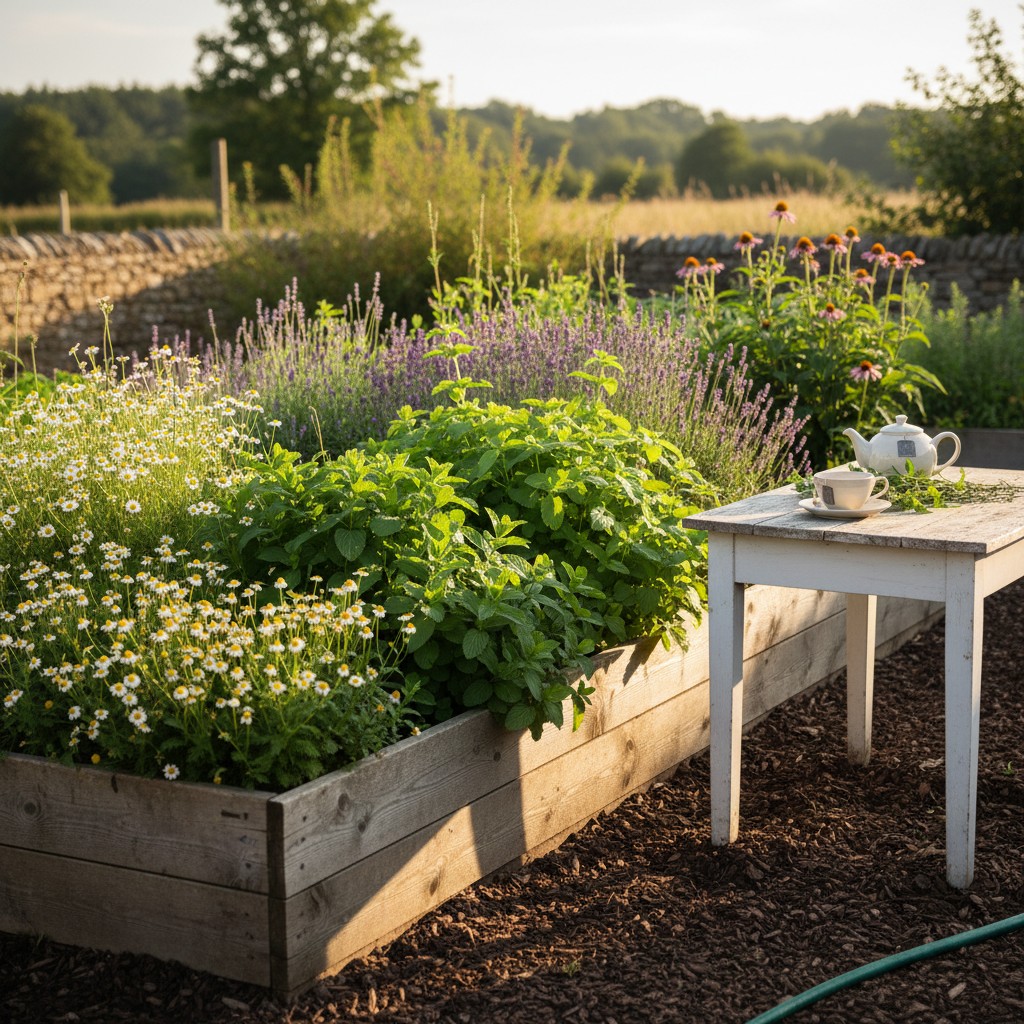
The Best Herbs to Grow for Tea
Not every herb makes a good tea, and not every tea herb is easy to grow. Here are my top recommendations, plants that are both excellent in the cup and forgiving in the garden.
| Herb | Flavor Profile | Growing Notes | Best For |
|---|---|---|---|
| Chamomile | Sweet, apple-like, floral | Annual, self-sows freely, full sun | Sleep, relaxation, digestion |
| Peppermint | Cool, bright, invigorating | Perennial, aggressive spreader, contain it | Digestion, energy, headaches |
| Lemon Balm | Gentle citrus, calming | Perennial, spreads readily, part shade OK | Anxiety, sleep, cold sores (avoid with thyroid disease, levothyroxine, sedatives, or glaucoma meds) |
| Lavender | Floral, slightly sweet, aromatic | Perennial, needs good drainage, full sun | Relaxation, headaches, mood |
| Echinacea | Earthy, slightly tingling | Perennial, drought-tolerant, beautiful flowers | Immune support, cold prevention (avoid with autoimmune disease, immunosuppressants, or ragweed/daisy-family allergy; limit to 10 days at a time) |
| Lemongrass | Bright citrus, grassy | Tropical perennial, grow as annual in cold zones | Digestion, energy, flavor |
| Holy Basil (Tulsi) | Spicy, clove-like, warming | Annual, easy from seed, loves heat | Stress relief, immunity, energy |
| Rosehips | Tart, fruity | Harvest from rugosa roses in fall | Vitamin C, immunity, flavor |
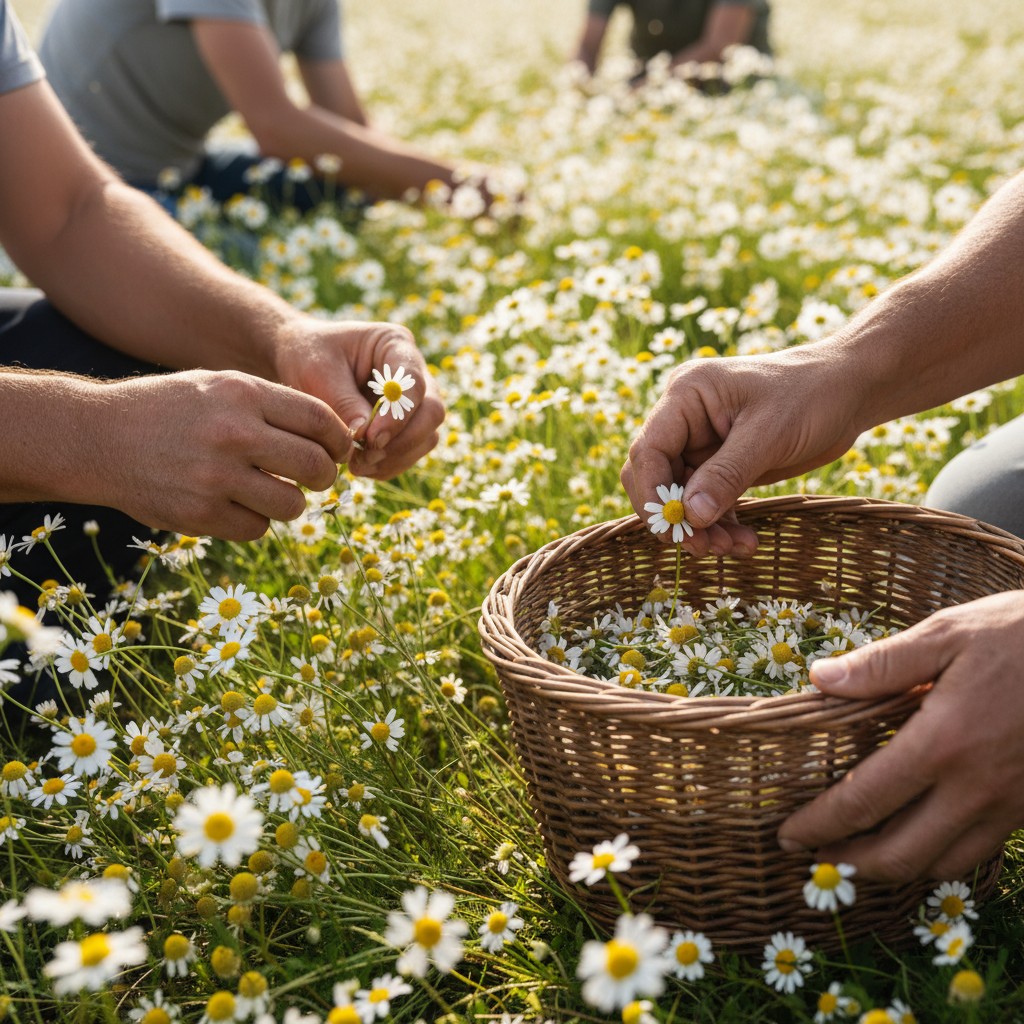
Harvesting Herbs for Tea
When and how you harvest makes a real difference in the flavor and potency of your tea blends.
Timing matters. Harvest leafy herbs in the morning, after the dew has dried but before the midday heat. This is when the essential oil concentration is highest. For flowers like chamomile and lavender, pick them when they’re just fully open, not before, not after.
Cut correctly. Use clean, sharp scissors or pruning shears. For most herbs, cut just above a leaf node, this encourages bushier growth and more harvests throughout the season. Never take more than one-third of the plant at once.
Harvest often. Regular harvesting actually benefits most tea herbs. Mint, lemon balm, and basil all become more productive when cut frequently. If you let them flower, many will slow leaf production or become bitter.
I learned the hard way that chamomile flowers need to be harvested every two or three days during peak season. Miss a few days and the flowers go past their prime, losing that lovely apple sweetness. Now I make chamomile picking part of my morning garden walk, it’s actually become one of my favorite meditative tasks.
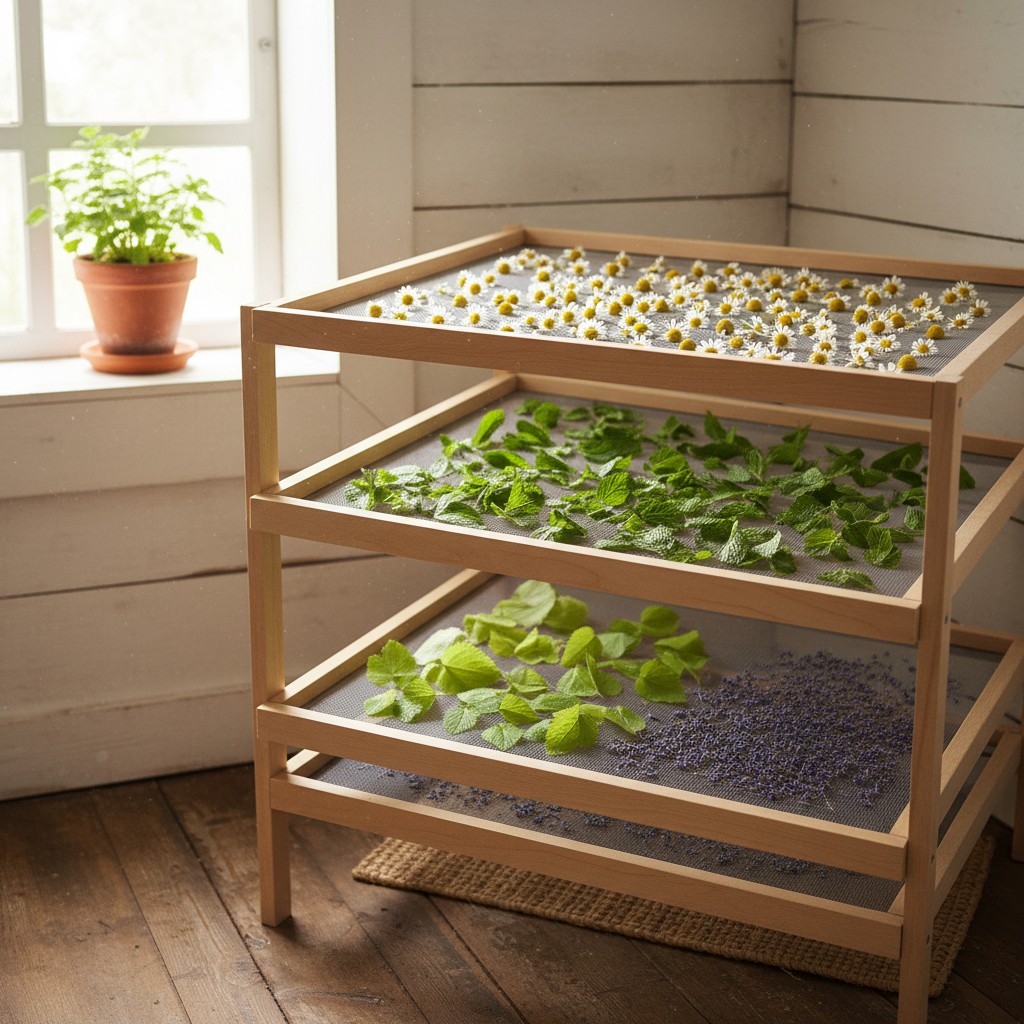
Drying and Storing Your Tea Herbs
While fresh herbs make wonderful tea, drying them lets you enjoy your garden year-round. Proper dehydrating is essential for preserving flavor and medicinal properties.
Air Drying
The simplest method. Bundle stems together, tie with twine, and hang upside down in a warm, dry, well-ventilated area out of direct sunlight. Most herbs dry in 1-2 weeks. They’re ready when leaves crumble easily between your fingers.
Dehydrator Drying
Faster and more reliable, especially in humid climates. Spread herbs in a single layer on dehydrator trays and dry at 95-105°F. Most herbs are done in 2-4 hours. Don’t overdry: you want them crisp but not dusty.
Screen Drying
Lay herbs in a single layer on a clean window screen propped up on blocks for air circulation. This works well for flowers and delicate leaves. Cover with a light cloth to keep dust off.
Storage Tips
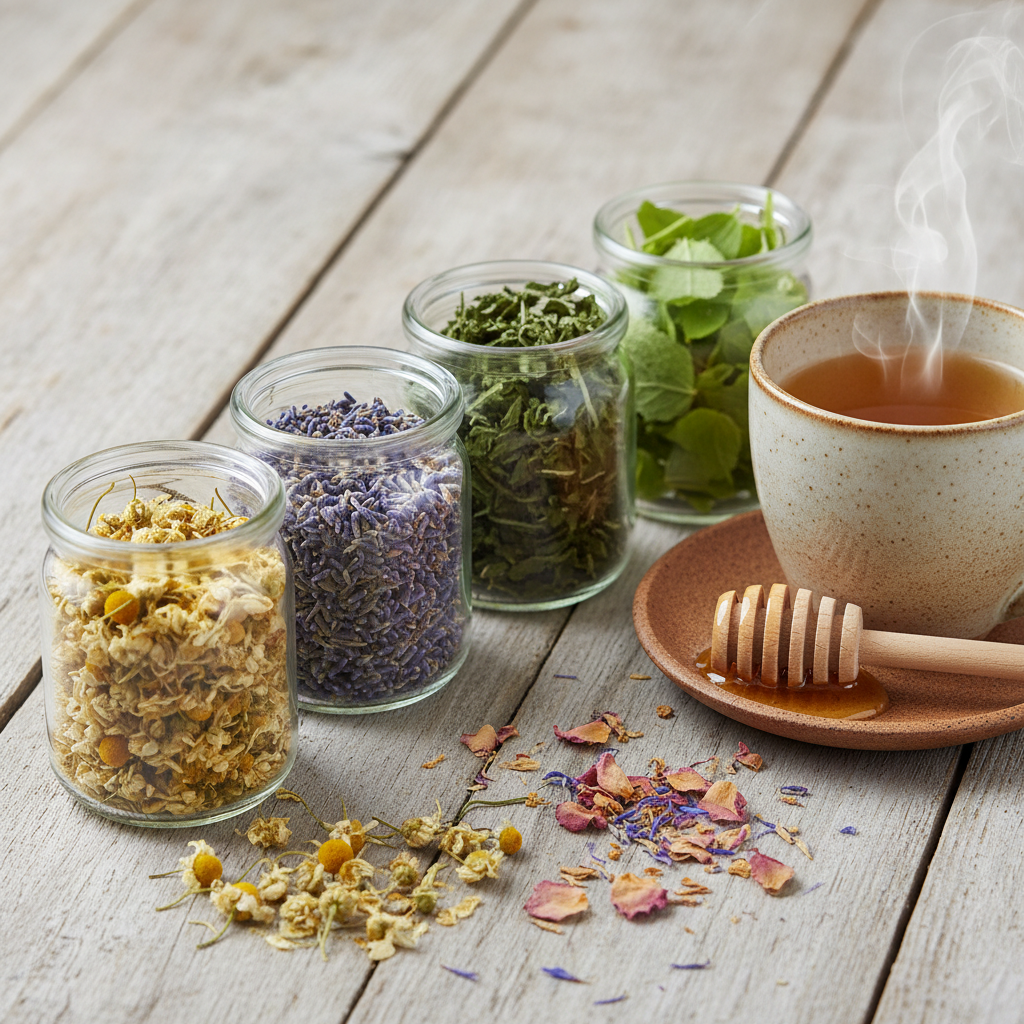
- Store dried herbs in airtight glass jars away from light and heat
- Label every jar with the herb name and date
- Whole leaves retain potency longer than crushed, crumble just before use
- Most dried herbs maintain good flavor for 6-12 months
- If your tea tastes flat, it’s probably time to replace the dried herbs
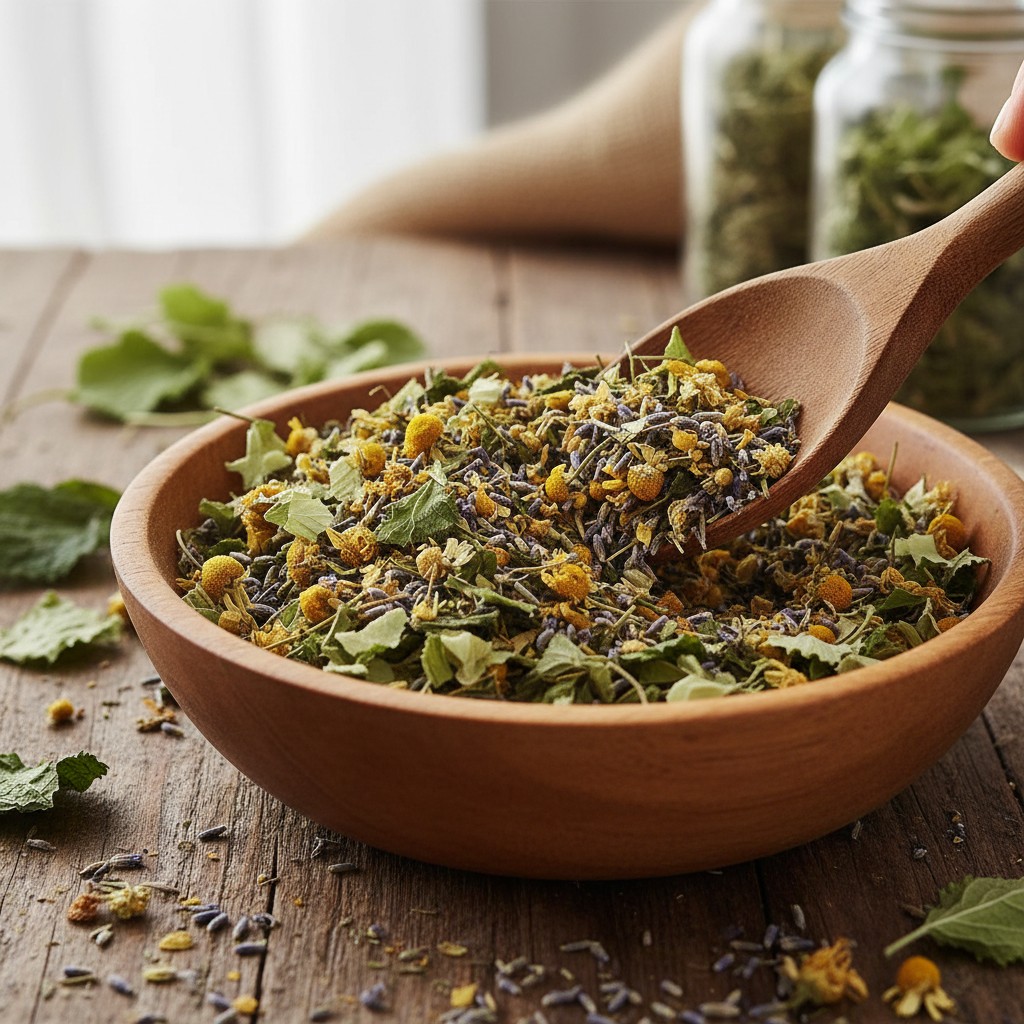
Tea Blends by Purpose
Here’s where the fun begins. Once you have a collection of dried herbs, you can blend them to suit your needs. These are my go-to recipes, refined over many seasons of trial and error.
Sweet Dreams Blend (For Sleep)
This is the blend I reach for almost every evening. It relaxes without making you feel drugged, just gently eases you toward restfulness. If you’re curious about the science behind why these ingredients work, take a look at what the research says about the best herbs for sleep.
- 2 parts chamomile flowers
- 1 part lemon balm leaves
- 1 part lavender buds
- 1/2 part passionflower (if available)
Steep for 5-7 minutes in just-boiled water. Add a drizzle of honey if desired. Drink 30-60 minutes before bed.
Belly Soother Blend (For Digestion)
After a heavy meal or when your stomach just feels off, this blend works wonders. The combination of mint and ginger is particularly effective.
- 2 parts peppermint leaves
- 1 part chamomile flowers
- 1/2 part fennel seeds (lightly crushed)
- 1/2 part dried ginger root (chopped)
Steep for 4-5 minutes. This one is excellent hot or iced. I keep a batch mixed and ready in the pantry all year round, it’s the blend our whole family reaches for most often.
Shield and Strengthen Blend (For Immunity)
At the first sign of sniffles in our household, I start brewing this blend. I can’t make medical claims, but I can tell you it’s been part of our wellness routine for years.
- 2 parts echinacea (root, leaf, or flower, all work)
- 1 part elderberries (dried)
- 1 part rosehips
- 1/2 part ginger root
- 1/4 part cinnamon chips
Steep for 10-15 minutes, the roots and berries need more time to release their compounds. Add honey and lemon for extra soothing power. You can also find foraged dandelion root to add to this blend for additional liver support.
Morning Spark Blend (For Energy)
Not everyone wants caffeine in the morning, but most of us want a pick-me-up. This blend is bright, invigorating, and genuinely uplifting.
- 2 parts peppermint leaves
- 1 part lemongrass
- 1 part holy basil (tulsi)
- 1/2 part rosemary leaves
Steep for 3-4 minutes, don’t overdo it or the rosemary can become overpowering. This blend is fantastic iced in summer.
Calm and Centered Blend (For Stress and Anxiety)
For those afternoons when everything feels like too much. This is a gentle, grounding blend that helps you reset.
- 2 parts lemon balm leaves
- 1 part holy basil (tulsi)
- 1 part chamomile flowers
- 1/2 part lavender buds
- 1/2 part oat straw (if available)
Steep for 5-7 minutes. The lemon balm and tulsi combination is one of my favorites in all of herbalism, they complement each other beautifully.
When I first started blending teas, I made the mistake of trying too many herbs at once. The result was muddy and confused. I’ve learned that the best blends have one or two “stars” supported by complementary players. Think of it like cooking from scratch, the best dishes aren’t the ones with the most ingredients, they’re the ones where every ingredient has a purpose.
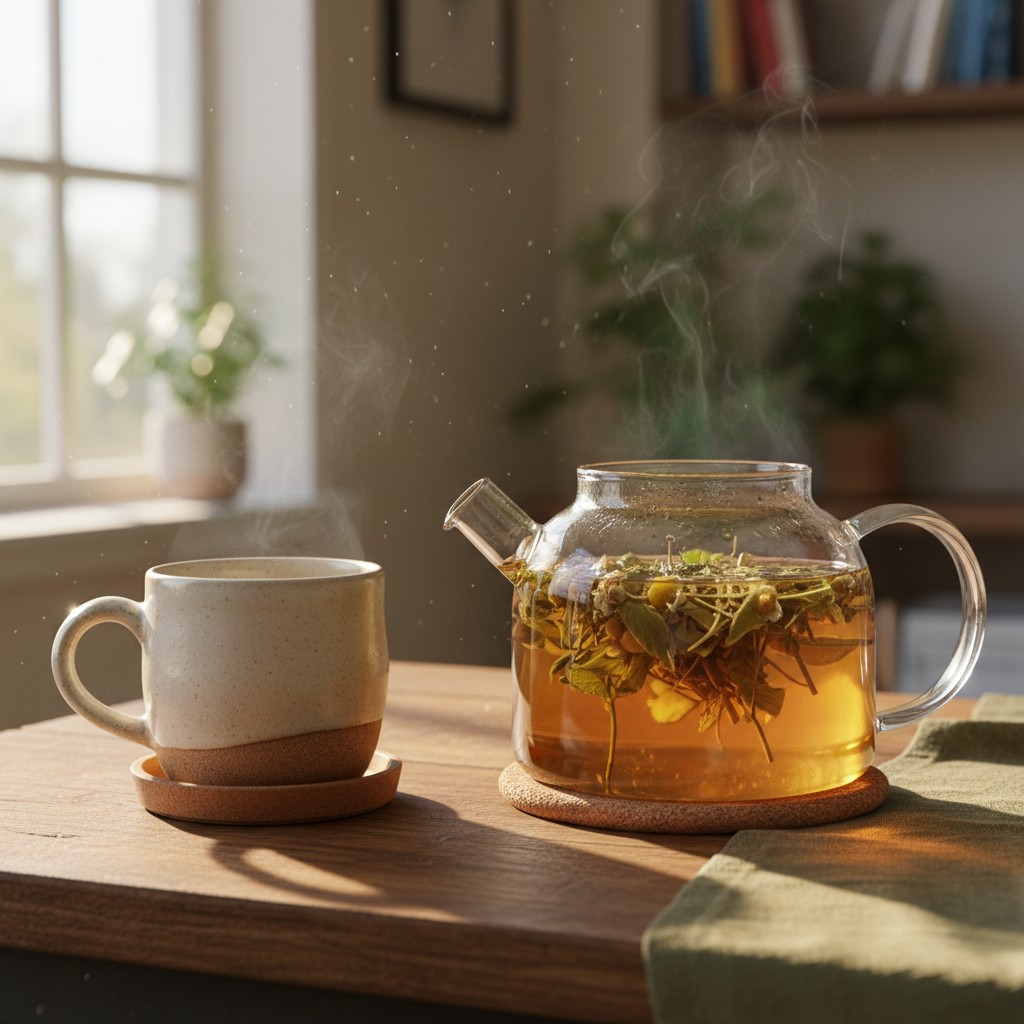
How to Brew the Perfect Cup
Even the best blend can be ruined by poor brewing. Here are the guidelines I follow:
Water temperature: Use just-boiled water for most herbal teas (around 200-212°F). Unlike green or white tea, herbal infusions can handle high heat.
Amount: Use 1-2 teaspoons of dried herb blend per cup (8 ounces). For fresh herbs, double or triple the amount since they contain more water.
Steep time: Flowers and leaves need 5-7 minutes. Roots, bark, and berries need 10-15 minutes (this is technically a decoction, not an infusion). Seeds should be lightly crushed before steeping to release their oils.
Cover while steeping. This traps the volatile essential oils that would otherwise escape with the steam. Those oils are where much of the flavor and benefit live.
Strain well. Use a fine-mesh strainer or tea infuser. Bits of herb floating in your cup aren’t harmful, but they can make the tea bitter if they continue to steep.
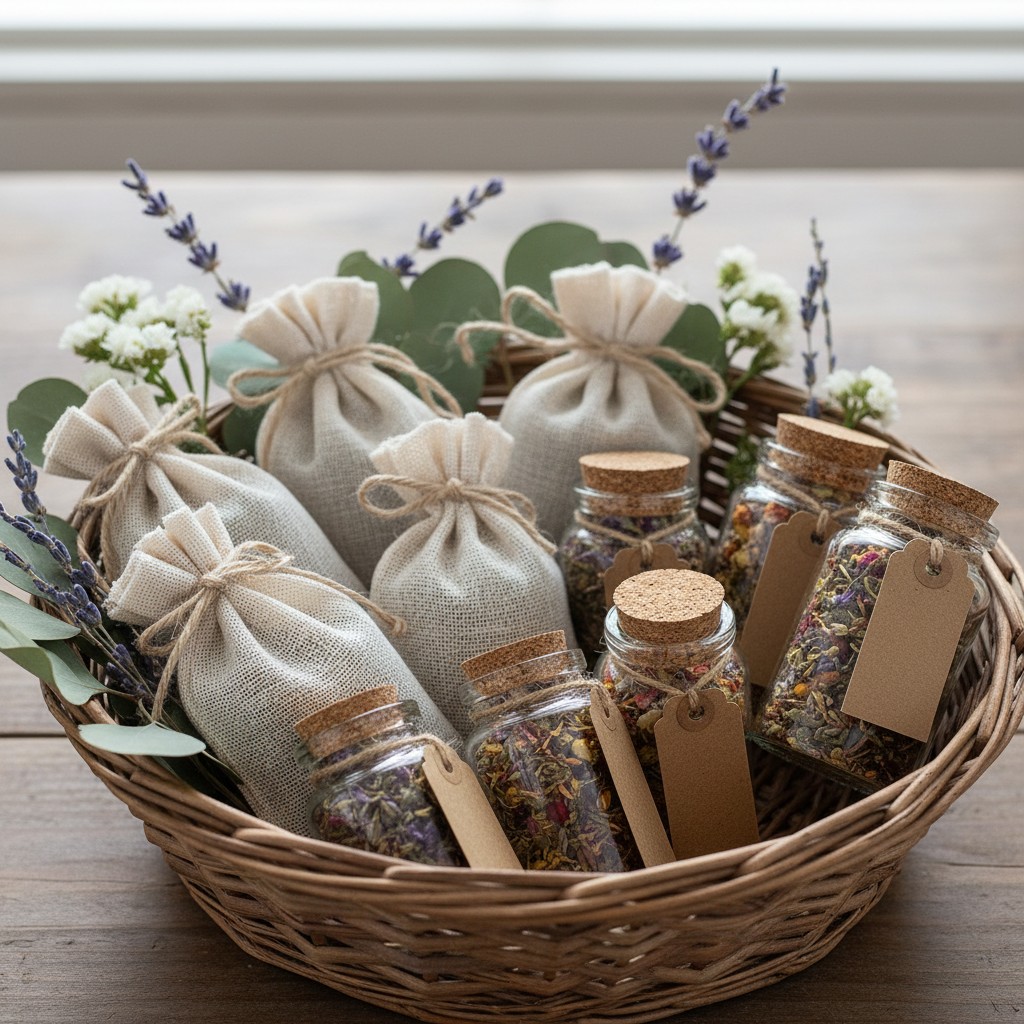
Making Tea Blends as Gifts
Homemade tea blends make some of the most appreciated gifts on the homestead. They’re personal, useful, and show real care.
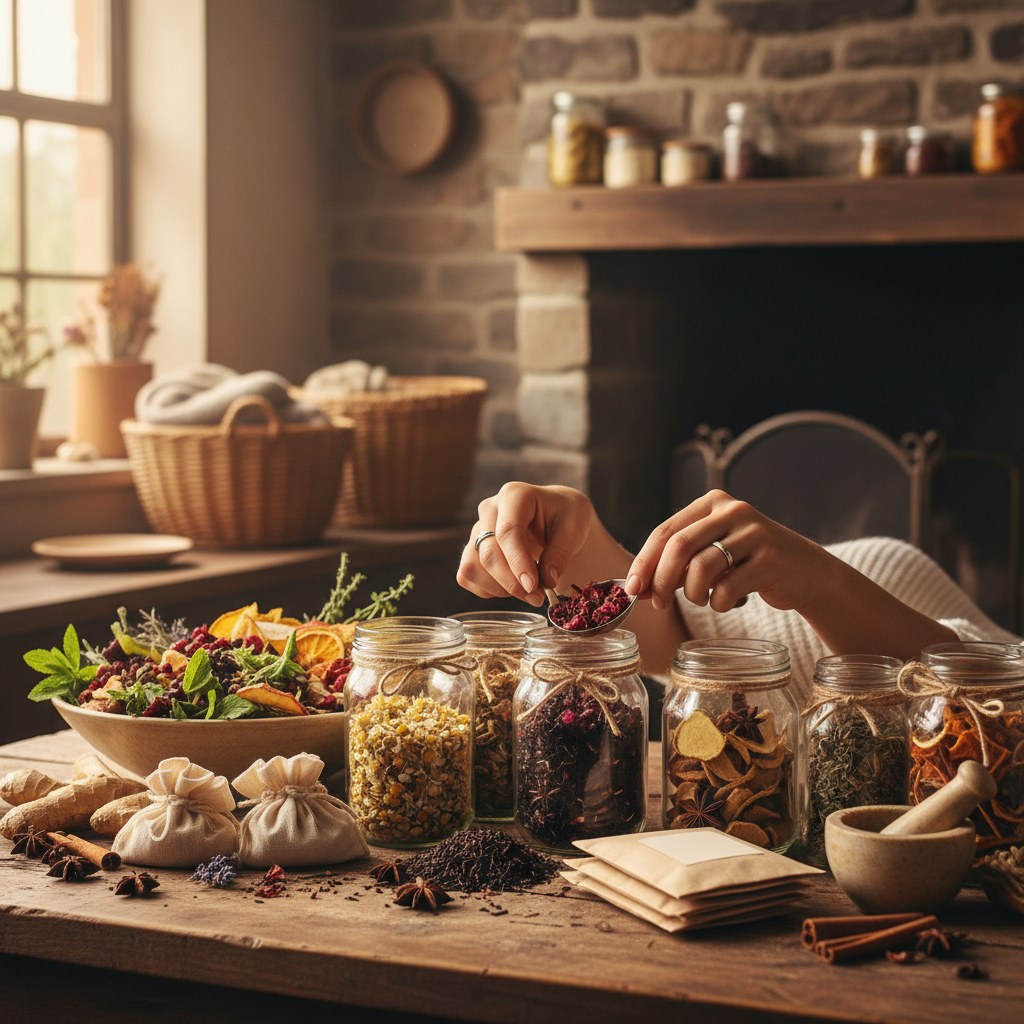
Package blends in small glass jars or muslin bags. Include a handwritten label with the blend name, ingredients, and brewing instructions. A sampler set of three or four blends makes a wonderful holiday gift. I start preparing mine in late summer when the herbs are at their peak.
For a complete from-scratch gift basket, pair tea blends with homemade honey, a hand-thrown mug, or a small jar of crystallized ginger.
Growing a Dedicated Tea Garden
If you’re serious about tea self-sufficiency, consider creating a dedicated tea garden bed. Here’s a simple plan that provides a good variety:
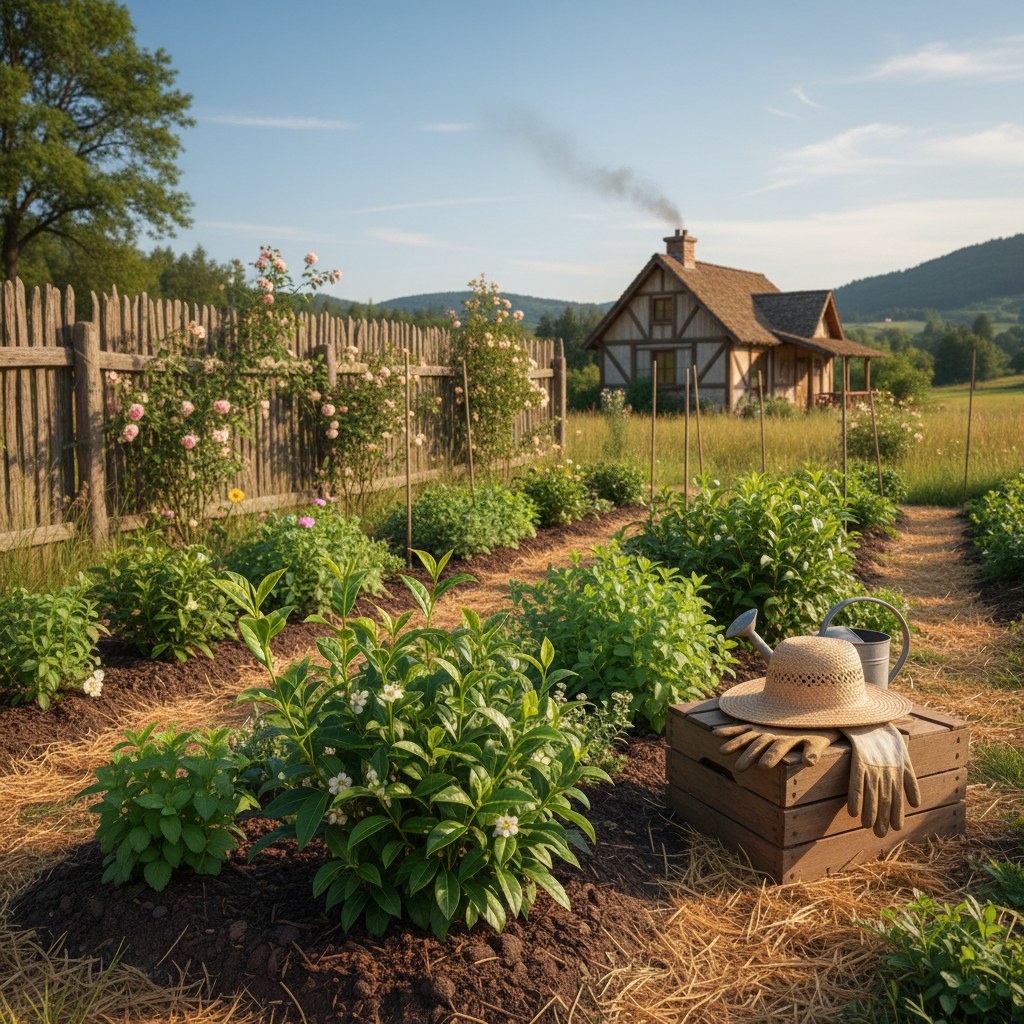
- Back row (tallest): Echinacea, lemongrass, holy basil
- Middle row: Chamomile, lavender, calendula
- Front row or edging: Thyme, creeping mint (in buried containers)
- In containers nearby: Peppermint and spearmint (they will take over your bed otherwise)
A 4×8 raised bed can produce enough tea herbs to supply a family of four with daily cups throughout the year, especially if you’re diligent about drying during the growing season. Supplement your garden teas with foraged ingredients like dandelion roots and leaves, pine needles, and wild violet flowers.
Fresh vs. Dried: When to Use Each
Both fresh and dried herbs have their place in your tea cup:
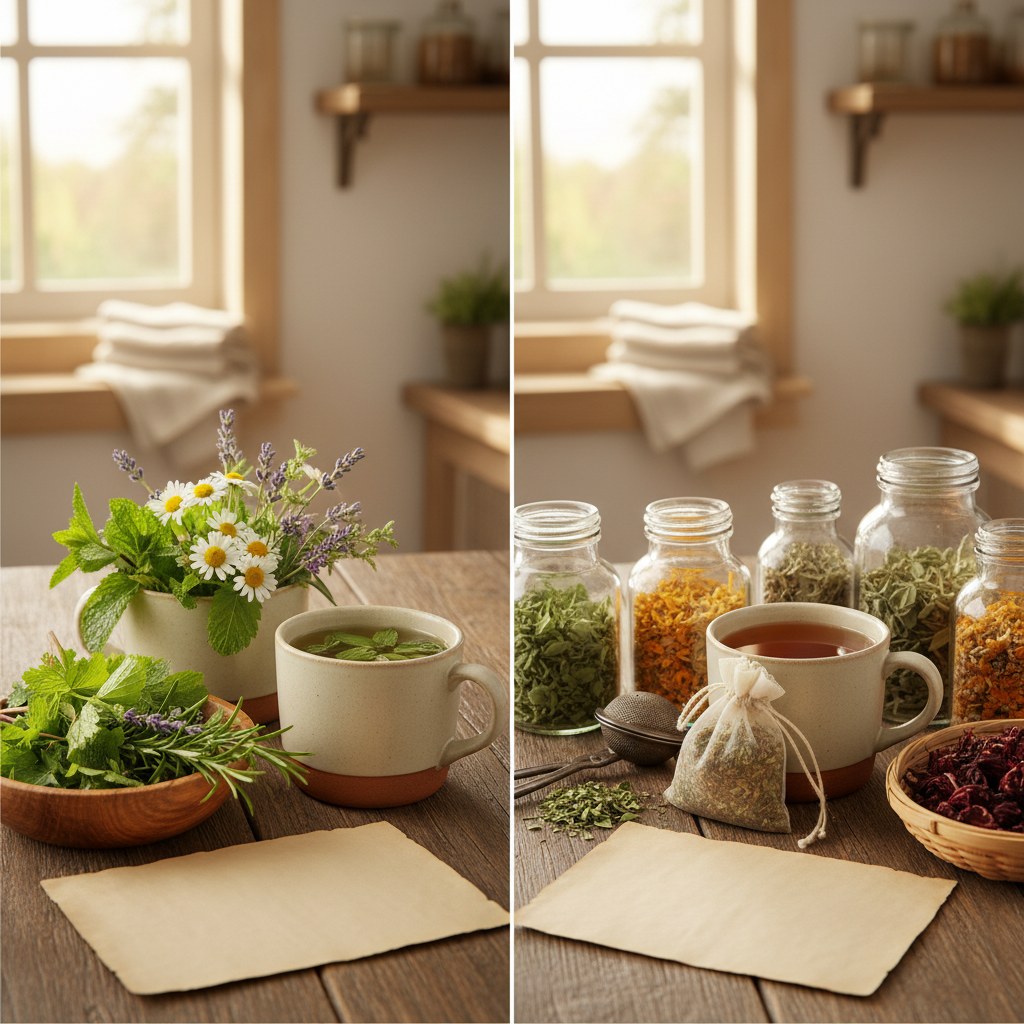
Use fresh herbs when: You want a lighter, more nuanced flavor. Fresh mint and lemon balm teas are particularly refreshing in summer. Fresh herbs also make beautiful presentation for guests.
Use dried herbs when: You want a stronger, more concentrated flavor and potency. Dried herbs are also more convenient and available year-round. Most medicinal benefits are actually more concentrated in properly dried herbs.
Don’t mix fresh and dried in the same blend, their steep times are different, and the moisture from fresh herbs can affect the dried ones in storage. Blend dried with dried, and enjoy fresh herbs on their own or in fresh-only combinations.
A Word on Safety
Most common garden tea herbs are very safe for the general population. However, a few guidelines are worth noting:
- Pregnancy and nursing: specifically avoid sage, rosemary in medicinal amounts, pennyroyal, tansy, and parsley seed. German chamomile and peppermint in ordinary tea amounts are generally considered compatible with pregnancy, contrary to common blanket warnings, but confirm with your prenatal provider. Nursing mothers should also avoid sage, which reduces milk supply (NIH LactMed).
- Autoimmune disease or immunosuppressants: avoid echinacea and astragalus (NCCIH).
- Thyroid medication (levothyroxine) or thyroid disease: avoid lemon balm, which has documented anti-thyroid activity and can interfere with thyroid hormone replacement (Memorial Sloan Kettering integrative medicine monograph).
- Sedatives or benzodiazepines: lemon balm, valerian, and passionflower can potentiate these medications.
- Anticoagulants or bleeding disorders: use caution with medicinal amounts of rosemary, ginger, and garlic.
- Ragweed / Asteraceae allergy: chamomile, echinacea, calendula, and yarrow can trigger cross-reactive allergic responses, including anaphylaxis in sensitive individuals.
- Seizure disorders: avoid sage and medicinal-dose rosemary (both contain neurotoxic terpenes including thujone and camphor).
- Echinacea specifically: traditional and ESCOP guidance limits acute use to around 10 days at a time; it is for short-term immune support, not daily long-term consumption.
- Medications generally: St. John’s Wort interacts with many pharmaceuticals (SSRIs, birth control, warfarin, many others), not recommended without clinician oversight.
- Start with small amounts of any new herb to check for sensitivity.
- Never use herbs that have been treated with pesticides or herbicides for tea.
- If foraging wild herbs, be 100% certain of identification before consuming.
- If you are on any prescription medication, pregnant, nursing, managing a chronic condition, or considering herbal tea for a child, consult a physician or a clinically trained herbalist before regular medicinal use. Evidence-based references include NCCIH Herbs at a Glance, the NIH Office of Dietary Supplements, NIH LiverTox, and the EMA HMPC herbal monographs.
🌱 From Our Homestead
I dry herbs all summer long specifically for tea blends. My evening chamomile-lavender blend has become such a ritual that I genuinely look forward to it every night, and the kids have their own mint-lemon balm blend they ask for when they cannot sleep.
Frequently Asked Questions
How much dried tea can I expect from my herb garden?
A single healthy chamomile plant can produce several cups of dried flowers over a season. A mature mint plant can yield enough dried leaves for dozens of cups. As a rough guide, a well-maintained 4×8 herb bed can produce 2-4 pounds of dried tea herbs per season, enough for 200-400 cups of tea.
Can I use culinary herbs like rosemary and thyme for tea?
Yes, many culinary herbs make excellent teas. Rosemary tea is traditionally used for focus and memory, but avoid medicinal amounts if you are pregnant, have a seizure disorder, or take anticoagulants (the EMA HMPC rosemary monograph restricts medicinal use during pregnancy). Thyme tea is wonderful for coughs and sore throats. Sage tea supports sore throats and digestion, but sage (Salvia officinalis) contains thujone and is contraindicated in pregnancy, during nursing (it suppresses milk supply and is traditionally used for weaning, see NIH LactMed), and for people with seizure disorders; limit sage tea to short-term, occasional use (a few days for a sore throat) rather than daily consumption. Use culinary herbs in smaller quantities than mild herbs like chamomile, their flavor is much more concentrated.
Do homemade herbal teas have caffeine?
True herbal teas (tisanes) are naturally caffeine-free. The herbs listed in this article contain no caffeine whatsoever. This makes them perfect for evening drinking or for those avoiding caffeine. The only “teas” with caffeine are those made from the Camellia sinensis plant (black, green, white, and oolong tea).
How long do dried tea blends last?
Stored properly in airtight containers away from light and heat, most dried herbal tea blends maintain their best flavor and potency for 6-12 months. After that, they don’t become unsafe, they just gradually lose strength. If your tea tastes weak or flat, it’s time for a fresh batch.
Can I cold-brew herbal tea?
Absolutely, and it’s one of my favorite summer methods. Place dried herbs in a jar of room-temperature or cold water (about 2 tablespoons per quart) and refrigerate for 4-8 hours or overnight. Cold brewing produces a smoother, less bitter tea. Mint and lemon balm are particularly wonderful cold-brewed. Strain and enjoy over ice.