How to Start a Backyard Food Forest (Even on a Small Lot)
🌿 Key Takeaways
- A mature food forest can produce up to 5–10 times more food per acre than conventional row cropping (USDA National Agroforestry Center).
- You don’t need acreage — a food forest can work in as little as 200 square feet using dwarf and semi-dwarf varieties.
- Food forests require 80% less maintenance than annual vegetable gardens once established (years 3–5).
- The 7-layer design mimics natural forest ecosystems and builds soil rather than depleting it.
- Startup cost: $200–800 depending on size, with most plants paying for themselves within 3–5 years of harvests.
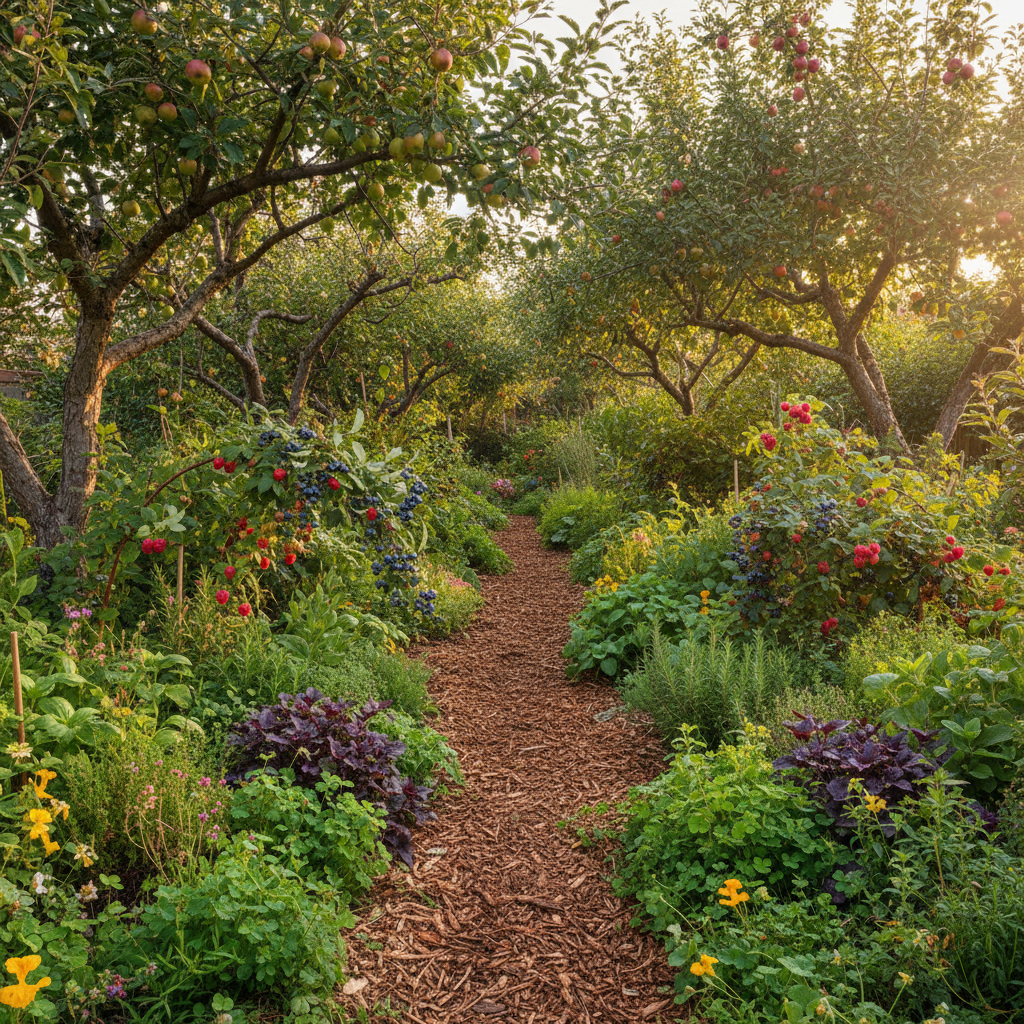
The moment I stopped fighting my land and started working with it, everything changed. I’d been growing annual vegetables for years — tilling beds every spring, replanting every season, watering constantly. Then I visited a neighbor’s property and saw something that looked like a beautiful mess of fruit trees, berry bushes, herbs, and ground cover all growing together. She hadn’t weeded in three weeks. She was harvesting apples, blueberries, herbs, and salad greens from the same 30-foot stretch of yard.
That was a food forest. According to a 2025 survey of nearly 1,000 Americans, 61% grew food at home in 2024 and saved an average of $875 per year, with 71% planning to grow food in 2025 (Frontdoor, 2025). And it’s the most productive, lowest-maintenance way to grow food at home.
A food forest (also called a forest garden) is a designed ecosystem of edible plants arranged in layers — just like a natural forest. Instead of rows of annuals that need replanting every year, you build a permanent, self-sustaining system of perennial trees, shrubs, herbs, and ground covers that produces food for decades with minimal input.
The regenerative agriculture market — which includes agroforestry as its largest segment — is projected to grow from $1.52 billion in 2025 to $5.77 billion by 2034 (Precedence Research, 2025). Whether you have a full backyard or just a small corner lot, this guide will walk you through planning, planting, and growing your first food forest.
What Exactly Is a Food Forest and Why Should You Care?
Food forests can produce 5 to 10 times more food per acre than conventional agriculture, according to research from the USDA National Agroforestry Center. Unlike traditional gardens where you start from scratch each season, a food forest is a permanent planting that gets more productive over time — not less.
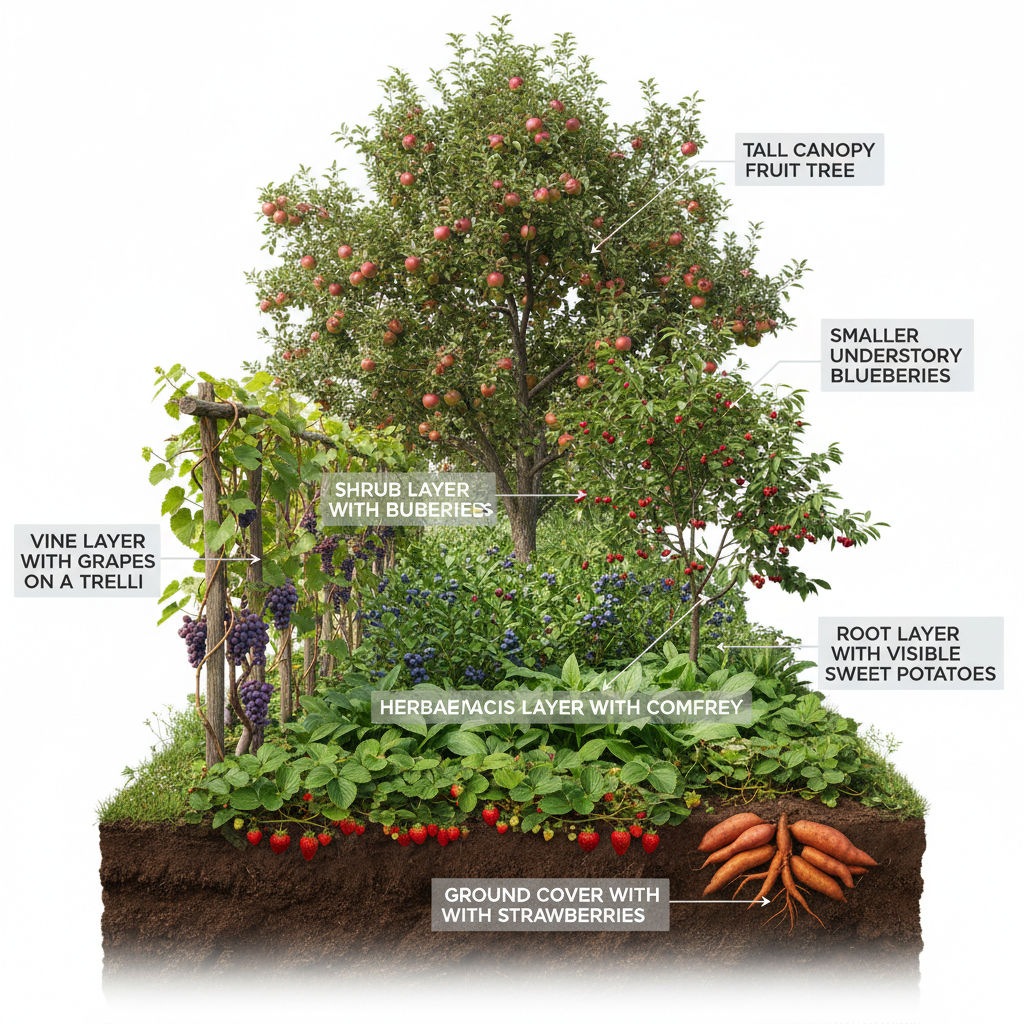
Here’s the basic idea: instead of a flat garden with rows of tomatoes and beans, you’re building a vertical ecosystem. Tall fruit trees form a canopy. Smaller trees fill the understory. Berry bushes create a shrub layer. Herbs, vegetables, and flowers pack the herbaceous layer. Ground covers protect the soil. Vines climb anything vertical. Root crops work underground.
Every plant has a purpose. Some produce food. Others fix nitrogen in the soil. Some attract pollinators or repel pests. Together, they create a system that largely takes care of itself — the way a forest does.
This isn’t some fringe hippie concept. Agroforestry systems sequester 2.7 to 5.5 tonnes of carbon per acre per year, with alley cropping systems reaching 6.7 Mg C/ha/yr (Fortier et al., Carbon Footprints, 2022). The IPCC ranks agroforestry among the top 3 land-based climate mitigation strategies globally. A 2024 peer-reviewed study published in Nature Communications Earth & Environment found that permaculture sites had 27% higher soil carbon, 457% higher plant species richness, and 201% higher earthworm abundance than conventional agriculture (Reiff et al., 2024). Cities and suburbs across North America are embracing food forests as a way to increase food security, reduce maintenance costs, and build ecological resilience.
Our experience: In year one, our food forest produced almost nothing beyond herbs and ground covers. By year three, we were harvesting 40+ pounds of berries, several bushels of apples, and more herbs than we could use. By year five, we stopped buying fruit at the grocery store entirely.
What Are the 7 Layers of a Food Forest?
A forest garden designed with all seven layers uses vertical space efficiently and can produce food from every level — research from the Permaculture Research Institute shows that multi-layered systems increase total yield by 30–50% compared to single-layer plantings. Understanding these layers is the foundation of your design.
1. Canopy Layer (Tall Trees)
The tallest layer. Full-size fruit and nut trees like apple, pear, pecan, or chestnut. On a small lot, use semi-dwarf varieties that top out at 12–15 feet. One or two canopy trees is enough for most backyards.
2. Understory Layer (Small Trees)
Shorter trees that thrive in partial shade. Dwarf fruit trees, mulberries, pawpaw, serviceberry, or fig. These fill the gap between the canopy and the shrub layer.
3. Shrub Layer
Berry-producing bushes are the workhorses here. Blueberries, currants, gooseberries, elderberries, and hazelnuts. These produce heavily and reliably once established — blueberry bushes can produce for 20+ years.
4. Herbaceous Layer
Perennial herbs and vegetables: comfrey (the ultimate mulch plant), rhubarb, asparagus, oregano, chives, and walking onions. Many of these come back stronger each year without any replanting. For herb garden ideas, check out our kitchen herb garden guide.
5. Ground Cover Layer
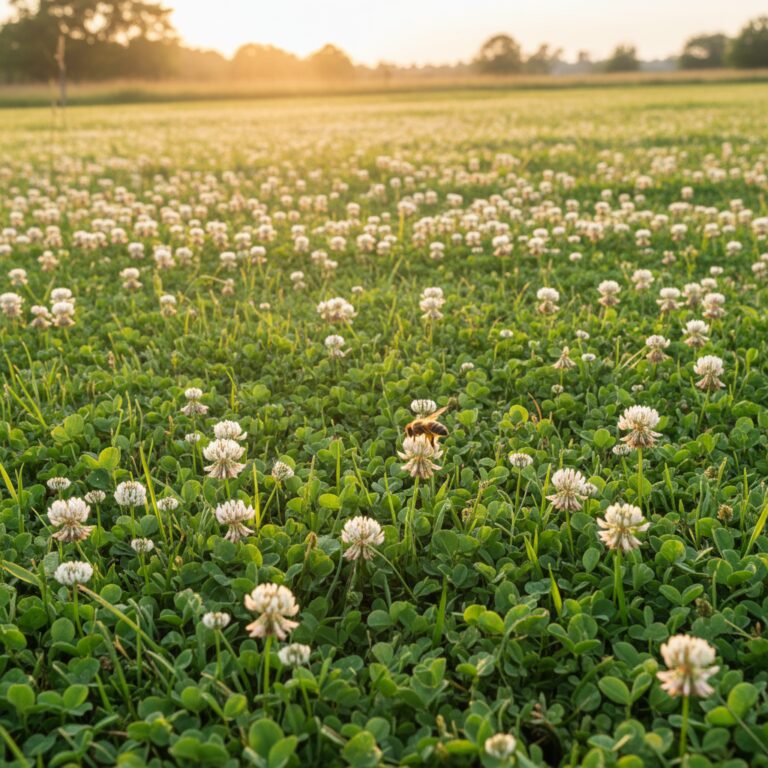
Low-growing plants that protect and build soil: strawberries, creeping thyme, white clover, and sweet potatoes. These shade out weeds and retain moisture — acting as a living mulch. Clover is especially valuable because it fixes nitrogen, feeding your trees and shrubs for free.
6. Vine Layer
Climbing plants that use vertical space: grapes, kiwi, passion fruit, hops, and climbing beans. Train them up trees, trellises, or fences. A single grapevine can produce 15–20 pounds of fruit per year.
7. Root Layer
Underground producers: garlic, horseradish, turmeric, Jerusalem artichoke, and groundnuts. These fill the underground space that other layers don’t use.
How Much Space Do You Actually Need?
You don’t need acreage. The Beacon Food Forest in Seattle — one of the largest urban food forests in the U.S. — started on just 7 acres of public land and proved that productive food forests work in dense urban settings (Beacon Food Forest, 2024). Your backyard version can be much smaller.
Here’s a rough guide by lot size:
| Space Available | What You Can Fit | Expected Yield |
|---|---|---|
| 200–400 sq ft | 1 dwarf tree, 3–4 berry bushes, herbs, ground covers | 50–100 lbs/year |
| 400–1,000 sq ft | 2–3 trees, 6–8 bushes, full herb layer, ground covers, vines | 150–400 lbs/year |
| 1,000–2,500 sq ft | Full 7-layer food forest with diversity | 400–1,000+ lbs/year |
| Quarter acre+ | Mature food forest with nut trees, multiple canopy trees | 1,000–3,000+ lbs/year |
Even a 200 square foot corner of your yard can support a mini food forest. Don’t let a small lot stop you — start with what you have and expand over time.
How Do You Design Your First Food Forest?
The Permaculture Association reports that properly designed food forests require 80% less ongoing labor than annual vegetable gardens after the establishment period of 3–5 years. The key word is “designed.” Random planting won’t give you these results. Here’s the step-by-step process.
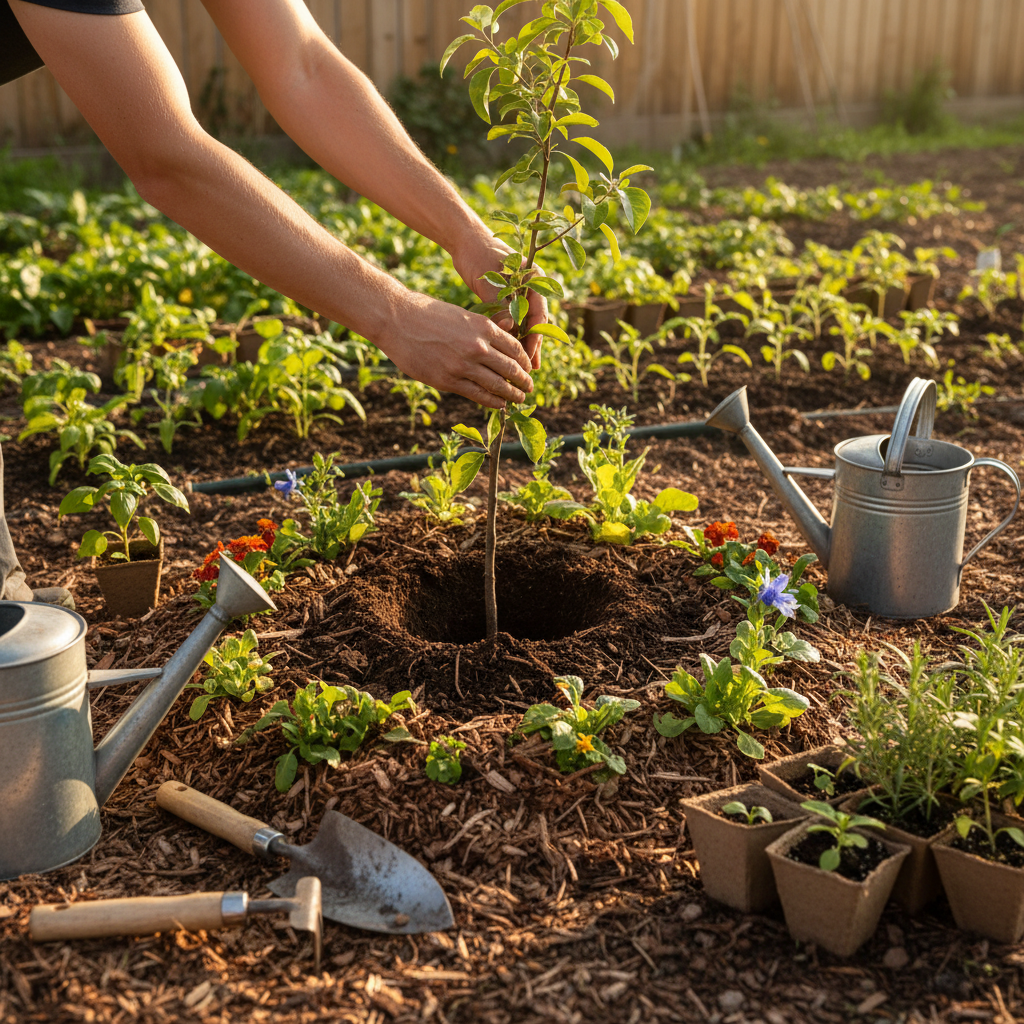
Step 1: Observe Your Site
Spend a full season watching your space before planting anything. Note where the sun hits at different times of day. Where does water pool after rain? Which direction does wind come from? What’s the soil like? This information shapes everything.
- Sun mapping: Track sun/shade patterns in spring, summer, and fall. Most fruit trees need 6–8 hours of direct sun.
- Water flow: Note where rainwater runs and collects. Place water-loving plants in low spots. Consider a rainwater harvesting system to supplement.
- Soil test: Get a basic soil test ($15–30 through your county extension). You need to know your pH and nutrient levels.
- Existing assets: Keep mature trees that provide shade or wind protection. Work with what you have.
Step 2: Choose Your Canopy Trees First
Everything else is designed around your largest trees. Pick varieties suited to your USDA hardiness zone that you actually want to eat.
Best canopy trees for beginners:
- Apple (semi-dwarf) — reliable, versatile, stores well. You’ll want two varieties for cross-pollination.
- Pear — disease-resistant, long-lived, great for canning.
- Peach/Nectarine — self-pollinating, produces in 2–3 years.
- Fig — zones 7–10, no pollinator needed, incredibly productive.
- Mulberry — bulletproof, heavy producer, attracts birds (which keeps them off your other fruit).
Step 3: Fill in the Layers
Work from the top down. After canopy trees, add understory trees, then shrubs, then herbs and ground covers. Don’t try to plant everything at once — a food forest is a multi-year project.
Use companion planting principles as you fill in layers. Plant nitrogen-fixers (clover, comfrey, lupine) around fruit trees. Add pollinator-attracting flowers throughout to ensure fruit set.
Step 4: Mulch Like Your Life Depends on It
Heavy mulching is non-negotiable. Apply 4–6 inches of wood chips, straw, or leaf mulch across all planted areas. Research from the University of Florida found that mulch reduces soil water evaporation by approximately 33%, and field studies show moisture retention improvements of 4.6–22% (Frontiers in Agronomy, 2024). This is no-till gardening at its most powerful — you’re building soil from the top down, feeding the fungal networks that make food forests thrive.
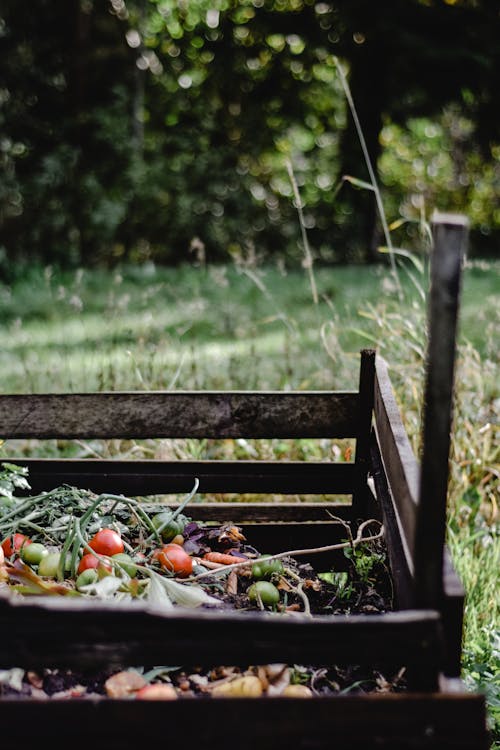
Comfrey is the ultimate food forest plant. Chop it 3–4 times per year and drop the leaves as mulch around your trees. It mines deep nutrients, adds organic matter, and regrows rapidly. If you want to understand soil-building further, our composting guide and vermicomposting guide cover the fundamentals.
What Should You Plant? A Beginner Food Forest Plant List
The University of Florida IFAS Extension recommends starting with 5–8 species in your first food forest planting, then adding diversity each year as you learn what thrives in your specific microclimate. Here’s a curated list organized by layer.
| Layer | Beginner Picks | Years to Harvest | Notes |
|---|---|---|---|
| Canopy | Semi-dwarf apple, pear | 3–5 years | Need 2 varieties for pollination |
| Understory | Fig, pawpaw, serviceberry | 2–4 years | Pawpaw needs shade when young |
| Shrub | Blueberries, elderberry, currants | 2–3 years | Blueberries need acidic soil (pH 4.5–5.5) |
| Herbaceous | Comfrey, rhubarb, chives, oregano | Year 1 | Comfrey = free mulch machine |
| Ground cover | Strawberries, white clover, thyme | Year 1 | Clover fixes nitrogen for free |
| Vine | Grapes, hardy kiwi, passion fruit | 2–3 years | Need trellis or existing tree support |
| Root | Garlic, horseradish, Jerusalem artichoke | Year 1 | Jerusalem artichoke spreads aggressively — contain it |
For strawberry growing tips, check out our dedicated guide. And don’t overlook mushrooms — they’re the unofficial eighth layer. Inoculate logs with shiitake or oyster mushroom spawn and tuck them into shady spots.
What Does a Food Forest Cost to Start?
A study by Oregon State University Extension found that food forest establishment costs range from $1–5 per square foot, with most backyard projects spending between $200 and $800 in the first year. That’s comparable to building a few raised beds, but the food forest keeps producing for decades without annual replanting costs.
| Item | Budget Option | Mid-Range |
|---|---|---|
| 2–3 fruit trees | $30–60 (bare root) | $60–120 (container) |
| 4–6 berry bushes | $20–40 | $40–80 |
| Herbs & ground covers | $15–30 (starts/divisions) | $30–60 |
| Comfrey root cuttings | $10–15 | $15–25 |
| Mulch (wood chips) | Free (arborist chips) | $30–80 |
| Compost / soil amendments | $20–40 | $50–100 |
| TOTAL | $95–185 | $225–465 |
Money-saving tips: Get free wood chips from local arborists (check chipdrop.com). Propagate berry bushes from cuttings. Divide perennial herbs from friends’ gardens. Buy bare-root trees in late winter for 40–60% less than potted trees. Once your food forest is established, save seeds from annual plants to fill in gaps for free.
What’s the Year-by-Year Timeline?
Patience is the price of admission. The International Permaculture Association notes that food forests reach peak productivity between years 5 and 8, but you’ll see meaningful harvests much sooner. Here’s what to expect.
Year 1: Establishment
Plant canopy and understory trees. Establish ground covers and herbs. Mulch everything heavily. Expect harvests only from herbs, ground covers, and annual companion plants you tuck in between trees. Water regularly — this is the most labor-intensive year.
Year 2: Root Development
Trees and shrubs are putting energy into roots, not fruit. Add more shrub-layer plants. Begin seeing strawberries, herbs, and some early berry production. Chop-and-drop comfrey for mulch. The system is starting to connect underground.
Year 3: First Real Harvests
Berry bushes start producing meaningfully. Some early fruit from fast-producing trees (peach, fig). Ground covers are filling in, suppressing most weeds. Maintenance drops noticeably. This is where the magic starts.
Years 4–5: Acceleration
Apple and pear trees begin fruiting. Berry harvests increase dramatically. The canopy is filling in, creating beneficial shade for understory plants. You’re spending more time harvesting than weeding. The system is largely self-mulching and self-fertilizing.
Years 5–10+: Maturity
Full production. The food forest is now a functioning ecosystem. Beneficial insects handle most pest issues. Mycorrhizal fungi networks connect plants underground, sharing nutrients. Your job shifts from building to harvesting and light pruning.
What Are the Most Common Food Forest Mistakes?
After helping several friends start their own food forests (and making plenty of mistakes myself), here are the pitfalls I see most often.
- Planting too close together. It’s tempting to fill every inch immediately. But those tiny saplings will be 15-foot trees in five years. Research mature sizes and space accordingly. You can always tuck annuals and herbs into gaps while trees grow.
- Ignoring sun requirements. Most fruit trees need full sun (6–8 hours). Don’t plant them on the north side of your house or under existing shade trees. Map your sun exposure before you plant anything.
- Skipping the soil prep. A food forest builds soil over time, but starting with depleted soil makes everything harder. Add compost generously in year one. Get a soil test. Amend as needed.
- Forgetting about water access. Young trees need consistent watering for the first 2–3 years. Make sure you can reach your food forest with a hose. Consider drip irrigation or swales (shallow ditches that capture rainwater).
- Choosing plants you don’t eat. It sounds obvious, but I’ve seen people plant gooseberries because they’re “good for food forests” without ever having tasted one. Plant what your family will actually eat.
- Giving up after year 2. A food forest looks scraggly and underwhelming for the first couple of years. That’s normal. By year 3, things start clicking. By year 5, visitors won’t believe what you’ve built.
Can You Integrate a Food Forest with Your Existing Garden?
Absolutely — and you should. A food forest doesn’t replace your annual vegetable garden. It complements it. The best homesteads use both systems together.
Keep your raised beds for annual vegetables like tomatoes, peppers, and lettuce that need full sun and frequent attention. Use the food forest for perennial harvests that take care of themselves. If you keep backyard chickens, they’re perfect partners — rotate them through the food forest to eat fallen fruit, scratch for pests, and add fertilizer.
You can also add a beekeeping element. Honey bees and native pollinators thrive in food forests, and the diverse bloom times keep them fed from early spring through late fall.
Frequently Asked Questions
How long does it take for a food forest to produce food?
Herbs and ground covers produce in year one. Berries start in years 2–3. Fruit trees typically begin bearing in years 3–5, depending on variety. A food forest reaches full production between years 5 and 8, then continues producing for decades with minimal maintenance.
Can I start a food forest in a rental property?
You can plant a “portable food forest” using large containers for dwarf trees and berry bushes. Focus on herbs, ground covers, and small shrubs that can be moved. Get landlord permission before planting anything permanent in the ground.
Do food forests attract pests or wildlife?
Food forests attract beneficial insects and pollinators that actually reduce pest problems over time. You may see more birds and squirrels, but the diversity of the system means no single pest can devastate your harvest the way they can in a monoculture orchard.
What’s the difference between a food forest and an orchard?
An orchard is typically a single-layer planting of fruit trees in rows — like a monoculture. A food forest uses all seven layers, creating a self-sustaining ecosystem. Food forests require far less maintenance, no chemical inputs, and produce a more diverse harvest than traditional orchards.
Is a food forest the same as permaculture?
A food forest is one element of permaculture design. Permaculture is a broader design philosophy that includes water management, building, energy systems, and social structures. Food forests are probably the most popular and accessible permaculture technique for home gardeners.
Start Small, Think Long-Term
You don’t need to plant an entire food forest in one weekend. Start with one or two fruit trees and a handful of companion plants this season. Add a berry bush or two next year. Tuck in herbs and ground covers whenever you find them. Let the system grow gradually — just like a real forest does.
The best time to plant a fruit tree was ten years ago. The second best time is this weekend.
Your future self — harvesting apples, picking blueberries, snipping herbs, and pulling garlic from a system that basically runs itself — will thank you for starting today. 🌿