Foraging Dandelions: The Free Superfood Growing in Your Yard
- Every part of the dandelion is edible, leaves, flowers, and roots, and packed with vitamins A, C, and K.
- One cup of raw dandelion greens provides 112% of your daily vitamin A needs.
- Harvest from areas free of pesticides and herbicides, ideally your own yard or known-safe locations.
- Dandelions can be used in salads, teas, sautés, wines, and even coffee substitutes.
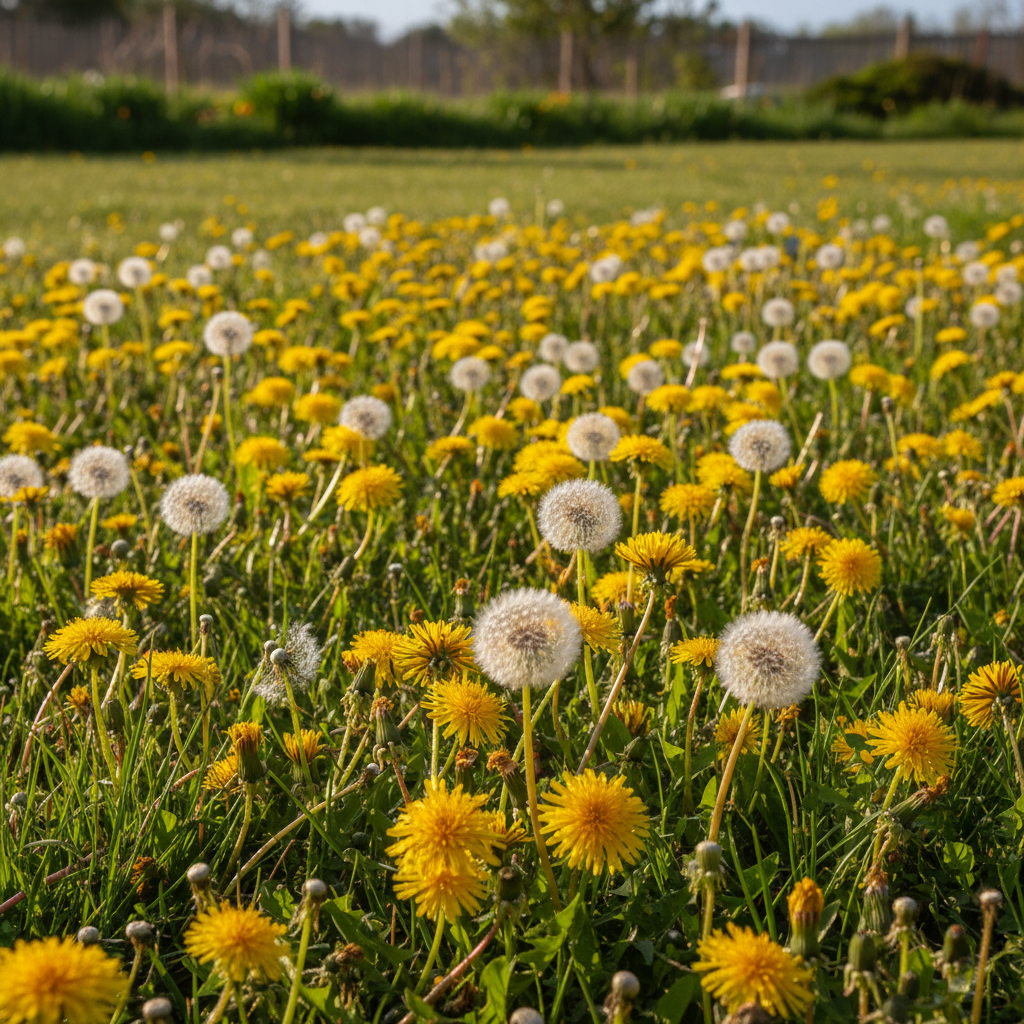
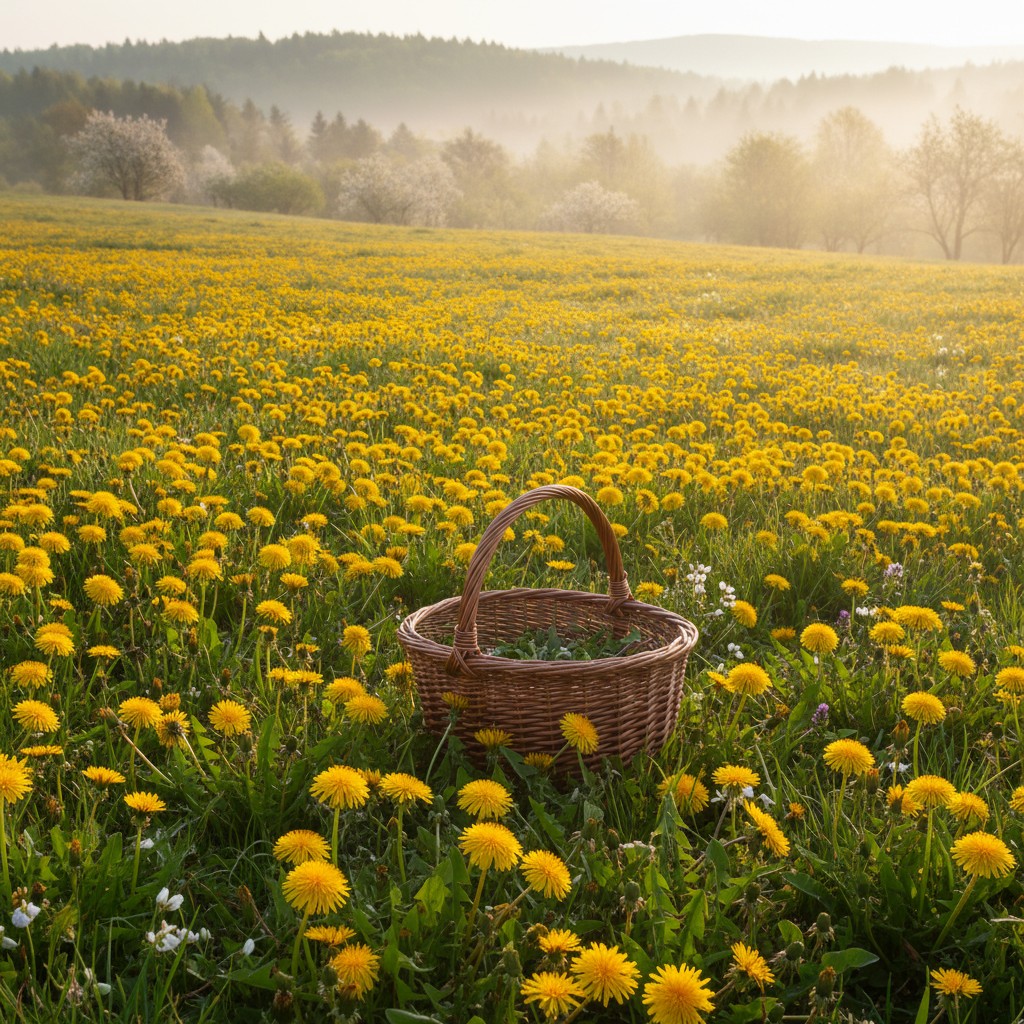
I’ll never forget the look on my neighbor’s face when she saw me out in the yard with a basket, cheerfully picking dandelions. “Aren’t those weeds?” she asked. Well, technically yes, but they’re also among the most nutritious, versatile, and completely free foods you’ll ever find. Once you start seeing dandelions as a superfood instead of a nuisance, your whole perspective on foraging changes.
What Makes Dandelions a Superfood?
Dandelions are a nutritional powerhouse, a single cup of raw greens provides 112% of your daily vitamin A, 32% of vitamin C, and 535% of vitamin K. According to USDA FoodData Central, dandelion greens outperform spinach and kale in several key nutrients. They’re also rich in calcium, iron, and potassium.
What I love most is that this incredible nutrition is literally growing in my yard for free. No seed packets, no garden beds, no watering schedule. Just bend down and harvest. It’s the original homesteader’s shortcut, and it pairs perfectly with a garden-based meal plan.
How Do You Identify Dandelions Safely?
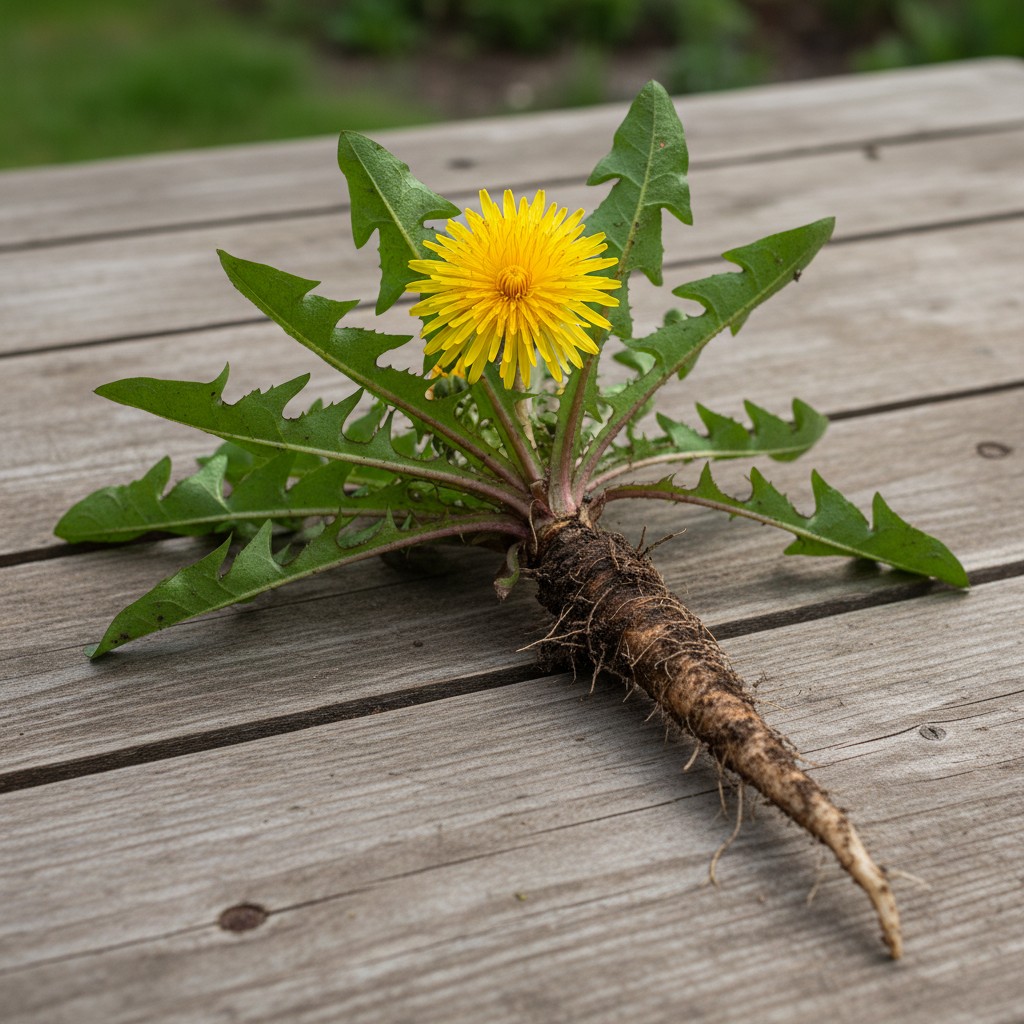
True dandelions (Taraxacum officinale) have a single hollow stem per flower, a rosette of deeply toothed leaves, and produce milky white sap when cut. The Penn State Extension offers excellent identification resources. The key look-alikes to know are cat’s ear (Hypochaeris radicata) and chicory (Cichorium intybus), both are also edible, so a misidentification isn’t dangerous, but knowing the difference helps.
Two other plants beginners sometimes confuse with dandelion are worth knowing: hairy bittercress (Cardamine hirsuta), a small, low-growing rosette with tiny white flowers; it’s entirely edible with a pleasant peppery bite, but the leaves are rounder and the flower stalk is branched, unlike dandelion’s single unbranched hollow scape. And sow thistle (Sonchus spp.), taller than dandelion with similar yellow composite flowers, but the leaves clasp the stem and are more deeply lobed with soft spines; also edible (younger leaves are milder). Neither of these is dangerous, but the milky sap test is your best quick confirmation for true dandelion: break a leaf or stem, dandelion exudes white latex immediately.
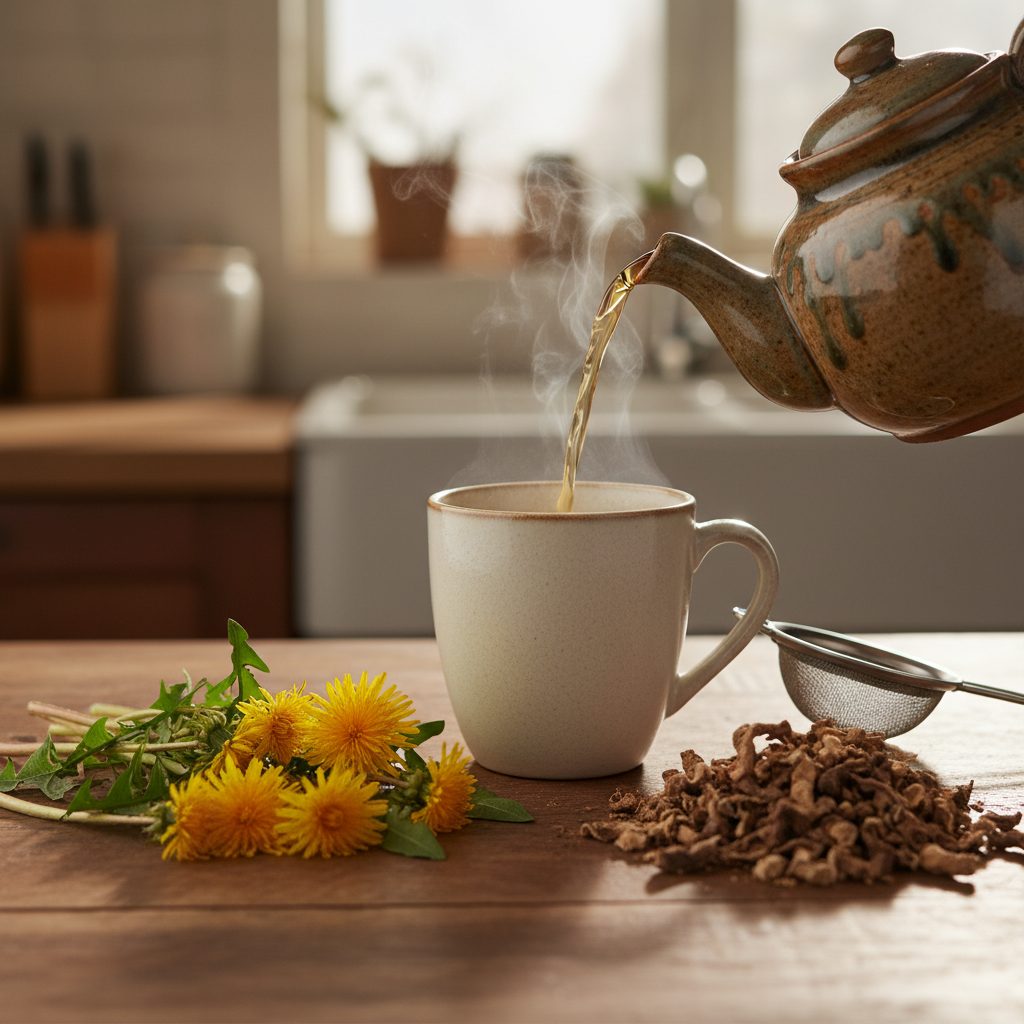
I always tell new foragers: if you’re unsure, don’t eat it. Bring a field guide or use a reputable plant identification app. After a few harvests, identifying dandelions becomes second nature.
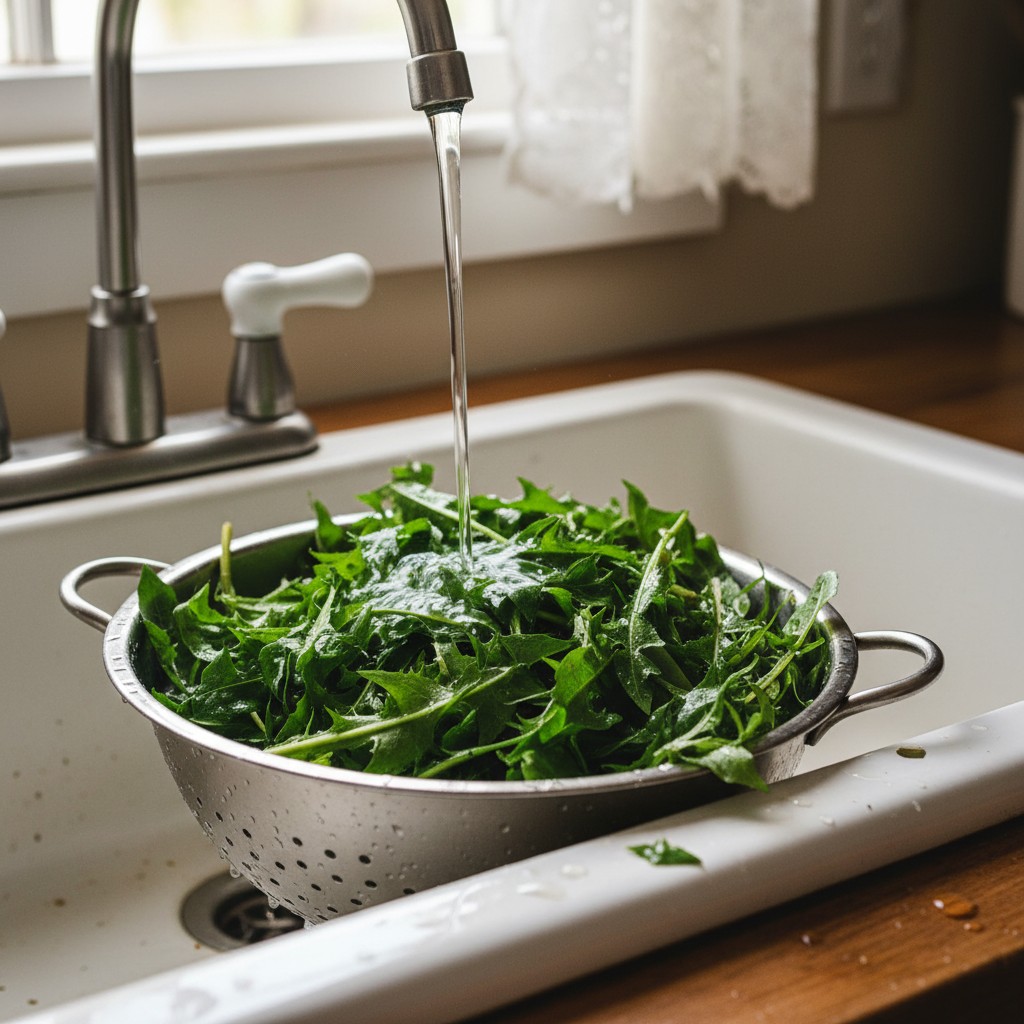
Where and When Should You Harvest Dandelions?
Harvest dandelion greens in early spring before the plant flowers for the mildest flavor, and always from pesticide-free areas.</strong> Young leaves picked in March through April are tender with a pleasant, slightly bitter bite. Once the plant bolts and flowers, the leaves become much more bitter, still edible, but better cooked than raw.
From our homestead: My neighbor thought I was crazy when she saw me harvesting dandelions with a basket. Now she asks me for recipes every spring.
The most important rule of foraging is knowing your harvest site. I only pick from our own yard (where I know we don’t spray anything) and from wild areas well away from roads or treated lawns. According to the EPA, common lawn herbicides can persist in soil for weeks, so never forage from conventionally maintained lawns. Your own no-till garden beds are often a great spot where dandelions pop up voluntarily.
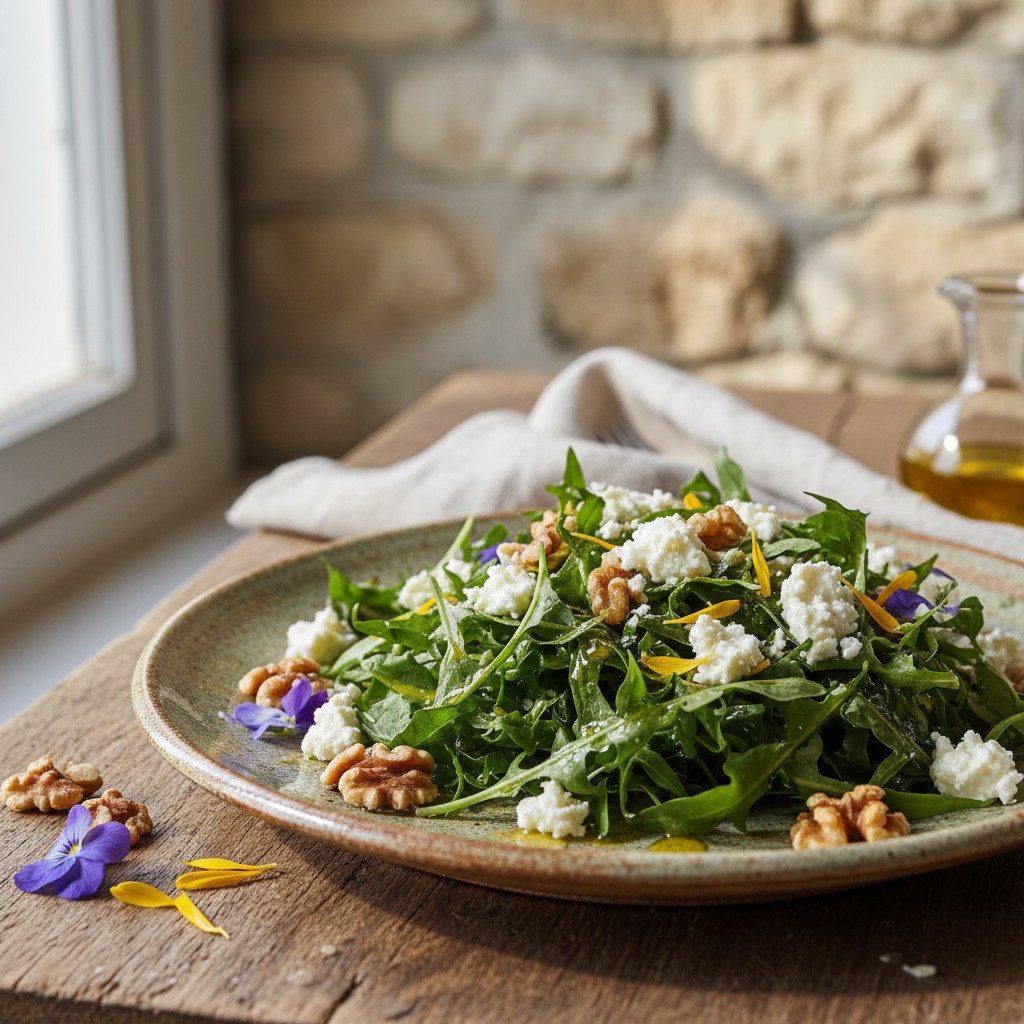
What Are the Best Ways to Eat Dandelions?
Dandelion greens shine in salads, sautés, pestos, and teas, and even the roots can be roasted into a coffee-like drink. Here are my favorite uses for each part of the plant:
| Plant Part | Best Uses | Flavor Profile | Harvest Timing |
|---|---|---|---|
| Young Leaves | Salads, smoothies, sandwiches | Mildly bitter, peppery | Early spring |
| Mature Leaves | Sautés, soups, pesto | Bitter, earthy | Spring-Summer |
| Flowers | Fritters, wine, infused oil | Mild, honey-like | Spring bloom |
| Roots | Roasted coffee sub, tea, tincture | Earthy, nutty when roasted | Fall (highest inulin) |
One of my family’s favorites is a simple dandelion greens salad with warm bacon dressing, the fat cuts the bitterness beautifully. I also love dipping the flowers in a light batter and frying them into fritters. And when I have the patience, dandelion root “coffee” is a cozy, caffeine-free treat. For preserving the flavor, dandelion-infused vinegars and oils are wonderful, check out our guide to homemade herb butter and infused oils for techniques that work just as well with dandelions.
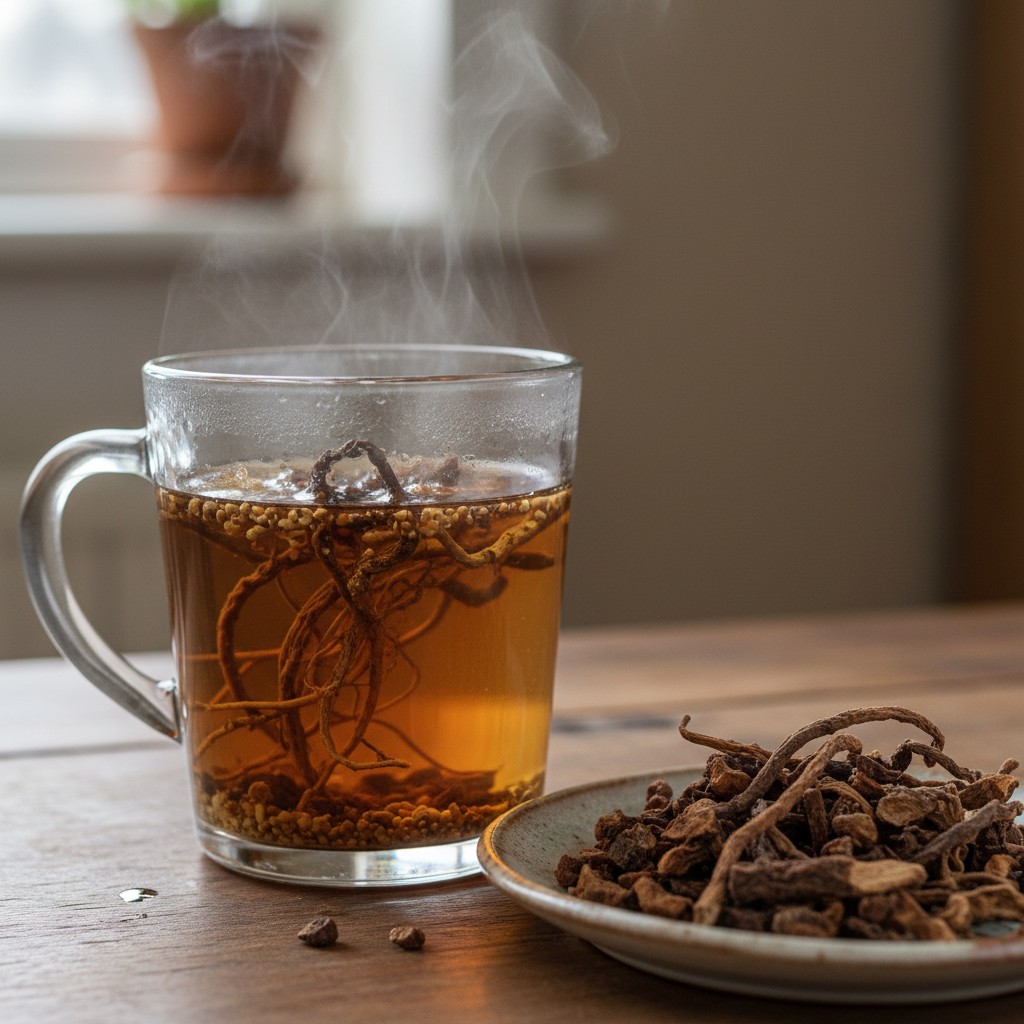
Do Dandelions Have Medicinal Benefits?
Dandelions have a long history in herbal medicine, with modern research supporting their potential as a digestive aid and mild diuretic. The National Center for Complementary and Integrative Health (NIH) notes that dandelion has been used traditionally for liver support, digestion, and as a mild laxative. Some studies suggest anti-inflammatory properties, though more human research is needed.
I personally drink dandelion root tea a few times a week, especially in the cooler months. It’s become part of my wellness routine alongside our kitchen herb garden herbs. If dandelions have sparked your interest in plant medicine, you might enjoy learning about other beginner-friendly medicinal herbs you can grow at home. Just remember: if you’re on medications (especially diuretics or blood thinners), check with your healthcare provider before using dandelion medicinally.
How Can You Preserve Your Dandelion Harvest?
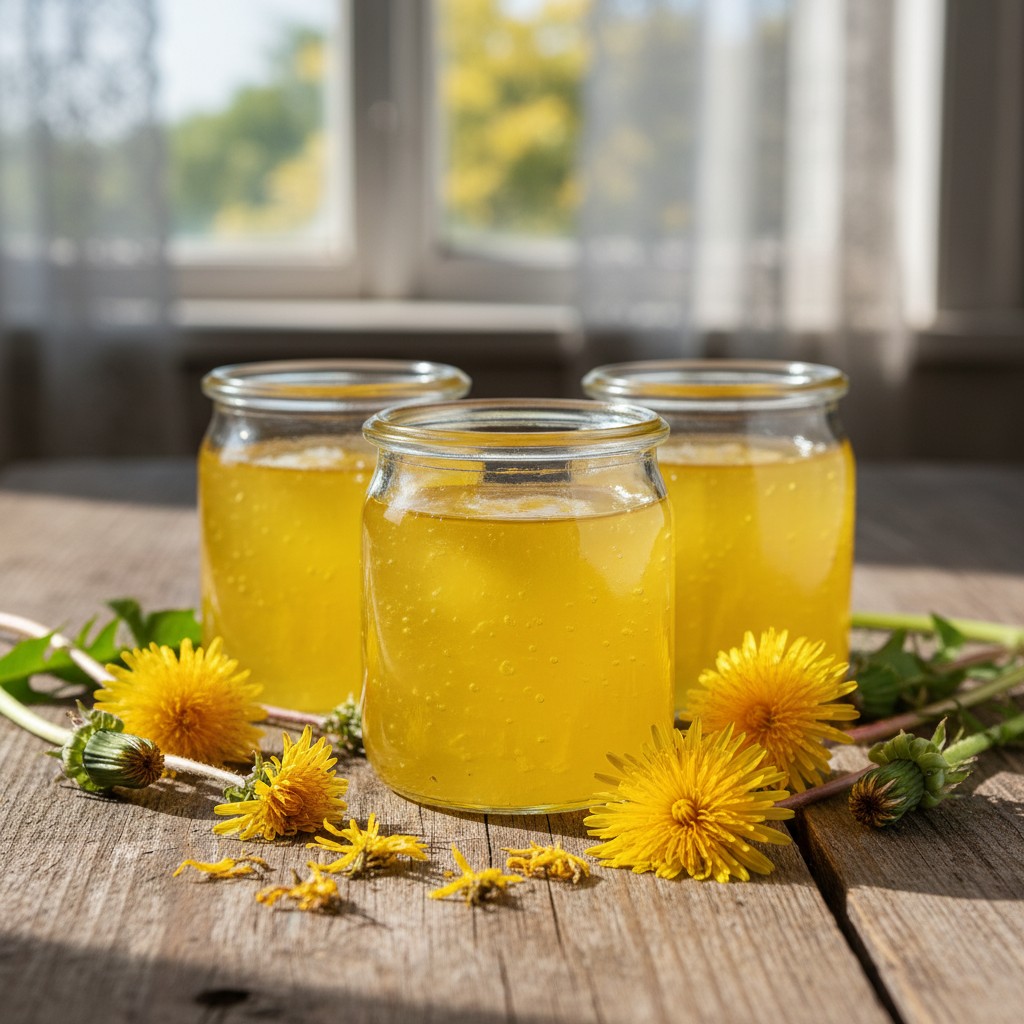
Dry dandelion leaves and roots for tea, freeze greens for smoothies, or infuse flowers into vinegar and oil for year-round use. I use my food dehydrator to dry both leaves and roots, they store for months in airtight jars. Blanched greens freeze well in portion-sized bags, ready to toss into soups and stir-fries all winter.
Frequently Asked Questions
Yes, all true dandelions (Taraxacum officinale) are edible, leaves, flowers, stems, and roots. The key safety concern isn’t the plant itself but where it grew. Avoid any plants that may have been sprayed with herbicides or pesticides.
Harvest young leaves before flowering for the mildest flavor. You can also blanch mature leaves in boiling water for 1-2 minutes, then shock them in ice water. Pairing with rich dressings, bacon, or cheese helps balance the bitterness.
Absolutely! Many seed companies sell cultivated dandelion varieties like ‘Ameliore’ that have larger, more tender leaves. They grow well in raised beds and containers. Just be aware they’ll try to spread, harvest flower heads before they go to seed.
It’s caffeine-free and has a rich, earthy flavor that’s similar to coffee but not identical. I find it satisfying on its own merits rather than as a direct replacement. Roast cleaned roots at 300°F for about 2 hours until dark and brittle, then grind and brew like coffee.