Succession Planting: How to Harvest Fresh Food All Season Long
🌱 From Our Homestead
Once I started sowing lettuce and radish seeds every two weeks instead of all at once, we went from a giant glut in June to steady salads from May through October. It takes five minutes of planning and saves us from that frustrating feast-or-famine cycle.
Succession Planting: How to Harvest Fresh Food All Season Long
Here’s a scenario most gardeners know all too well: you plant all your lettuce at once in April, enjoy a glorious two weeks of salads in June, and then it all bolts in the heat and you’re buying grocery store greens for the rest of the summer. Meanwhile, your neighbor seems to have fresh lettuce from May through October. What’s the secret? Succession planting.
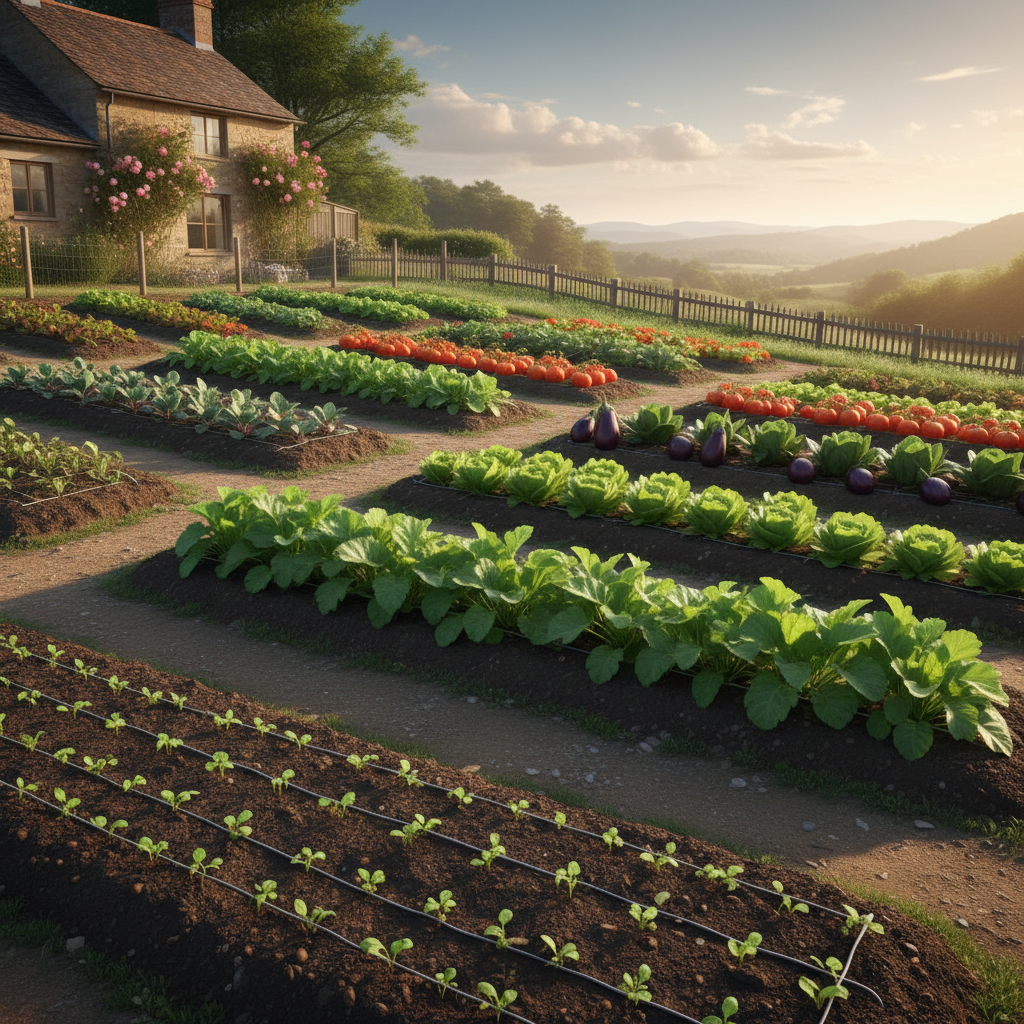
Succession planting is simply the practice of staggering your plantings so that crops mature at different times throughout the season. Instead of planting everything at once and dealing with a feast-or-famine harvest, you plant smaller amounts at regular intervals, ensuring a steady, manageable supply of fresh produce from spring through fall, and even into winter in mild climates.
- Succession planting staggers sowings every 2-3 weeks for continuous harvests instead of feast-or-famine cycles
- Three main strategies: staggered planting, relay planting, and same-space succession with different crops
- Lettuce, radishes, beans, carrots, and cilantro are the best crops for succession planting
- Keep a simple planting calendar to track what to sow and when throughout the season
- Succession planting makes better use of garden space by keeping every square foot productive all season
The summer of 2018 was when this finally clicked for me. I had direct-sowed two full 4-foot rows of lettuce on the same day in April, ended up with more salad than we could eat in May, and then nothing but bolted bitterness by July. The following spring I switched to sowing one short row every two weeks, and that small change gave us steady cutting greens from mid-May all the way to first frost in October.
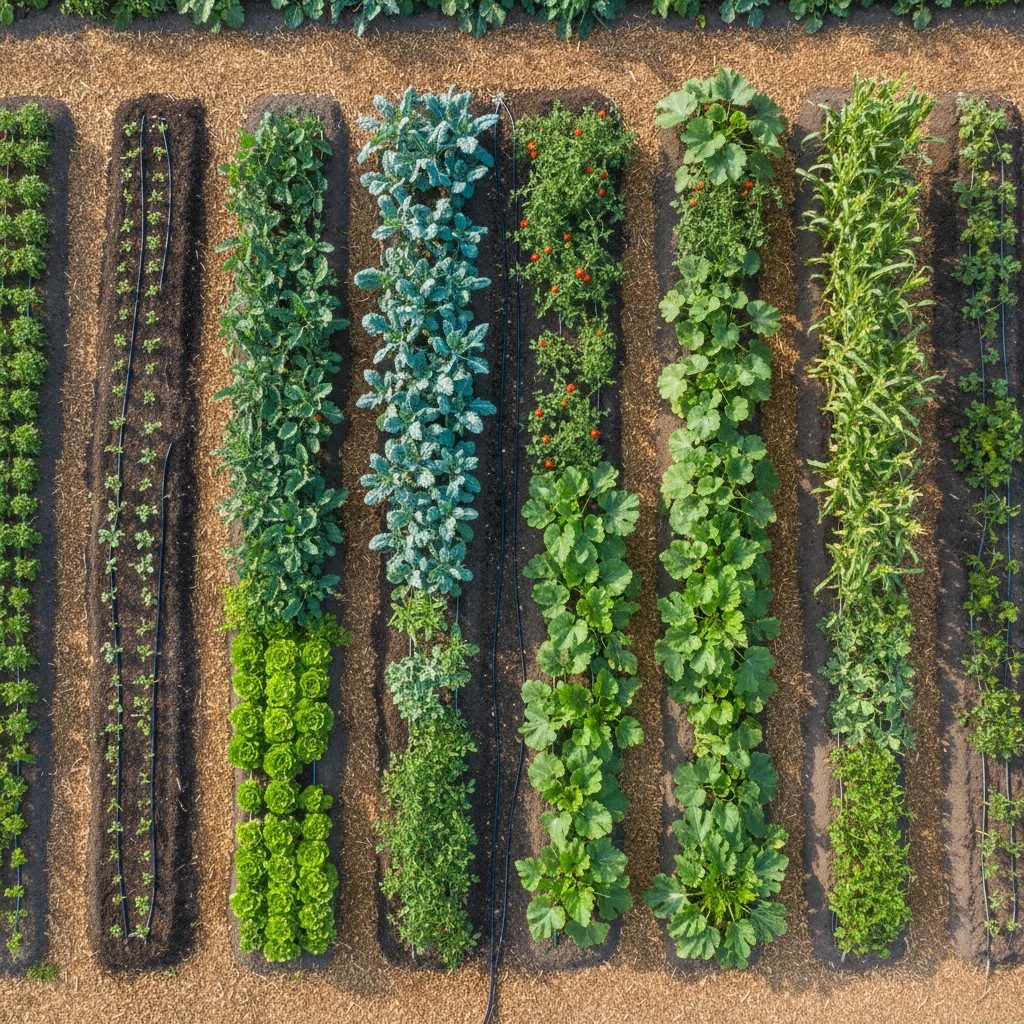
Why Succession Planting Matters
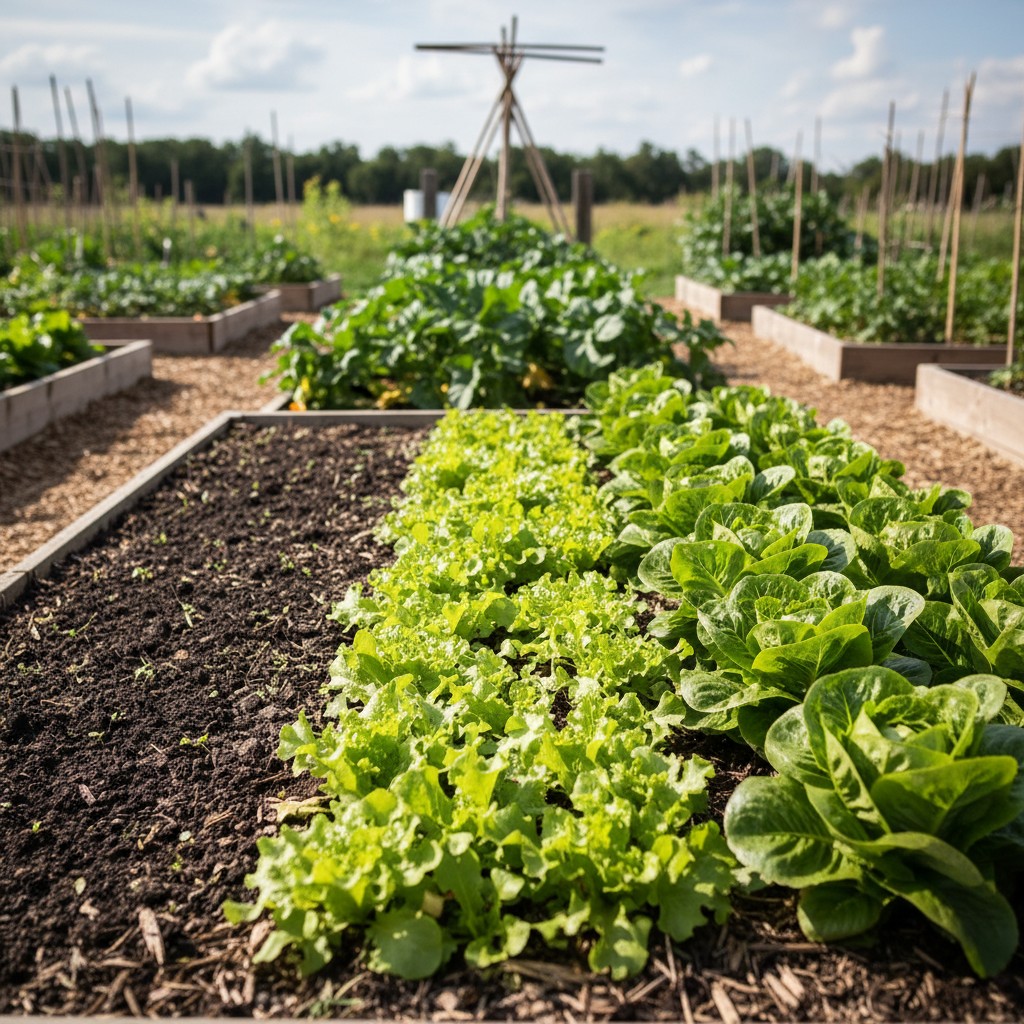
The traditional approach to gardening, plant everything on one big spring weekend, creates two major problems. First, you end up with a massive glut of produce that ripens all at once, more than you can eat, preserve, or give away. Second, once that crop is done, you have empty garden space sitting idle for weeks or months.
Succession planting solves both problems. It spreads your harvest over a much longer period, giving you a steady supply of just the right amount of fresh food. And it keeps your garden beds continuously productive, maximizing the return on every square foot of growing space. For homesteaders trying to feed their families from the garden, this approach can dramatically increase both the quantity and duration of your harvest.
If you’re just getting started with gardening, succession planting might sound advanced, but it’s actually quite simple once you understand the basic strategies. Even if this is your first vegetable garden, you can incorporate succession planting from day one.
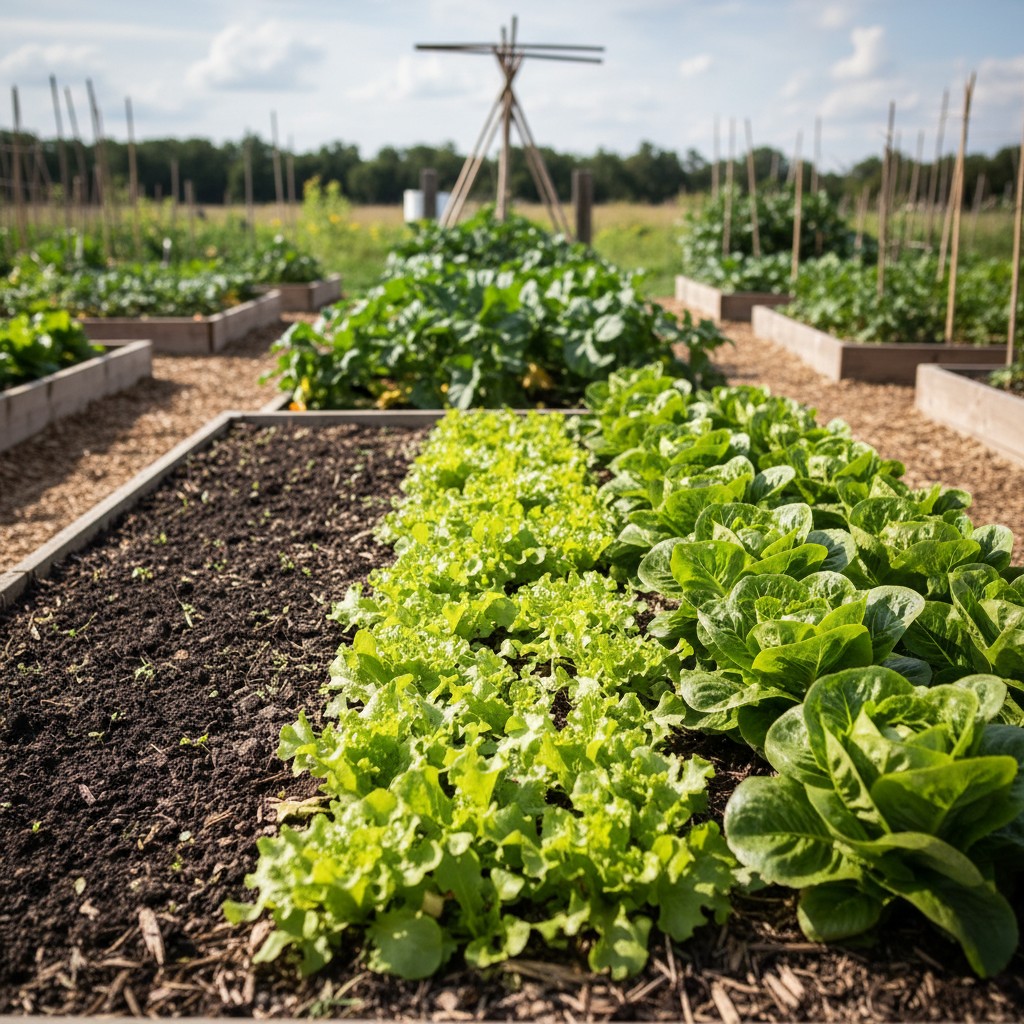
The Three Types of Succession Planting
1. Staggered Planting (Same Crop, Different Dates)
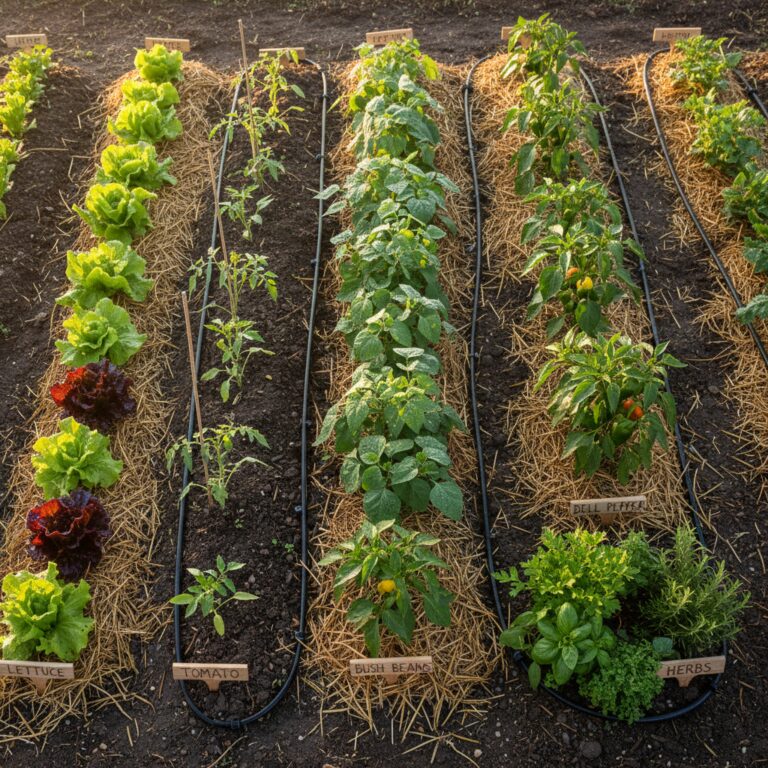
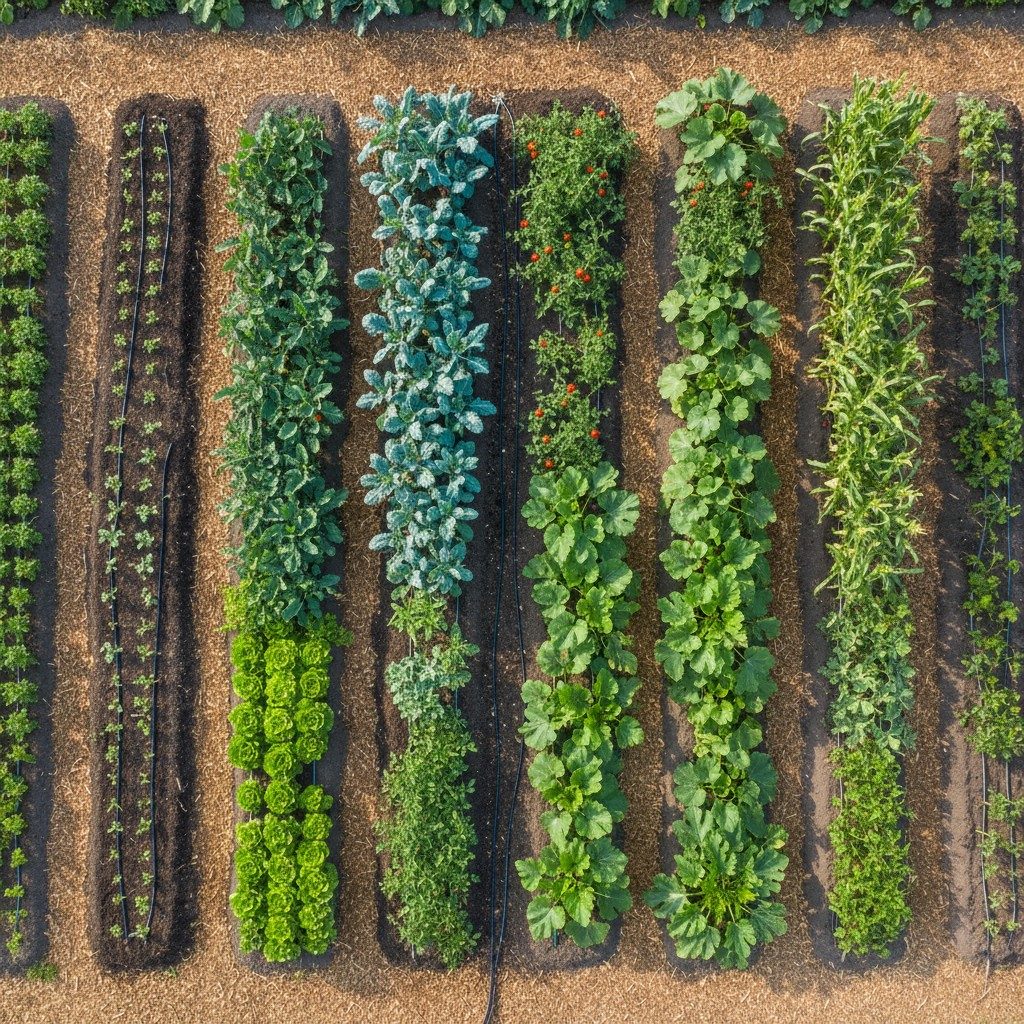
This is the most straightforward succession strategy. Instead of planting all your lettuce, beans, or radishes at once, you plant a portion every 2-3 weeks throughout the planting season. Each planting matures at a different time, giving you a continuous harvest.
For example, instead of planting 4 rows of bush beans in May, you plant 1 row in May, 1 row in late May, 1 row in mid-June, and 1 row in early July. The result is fresh beans from July through September instead of a two-week avalanche of beans in July.
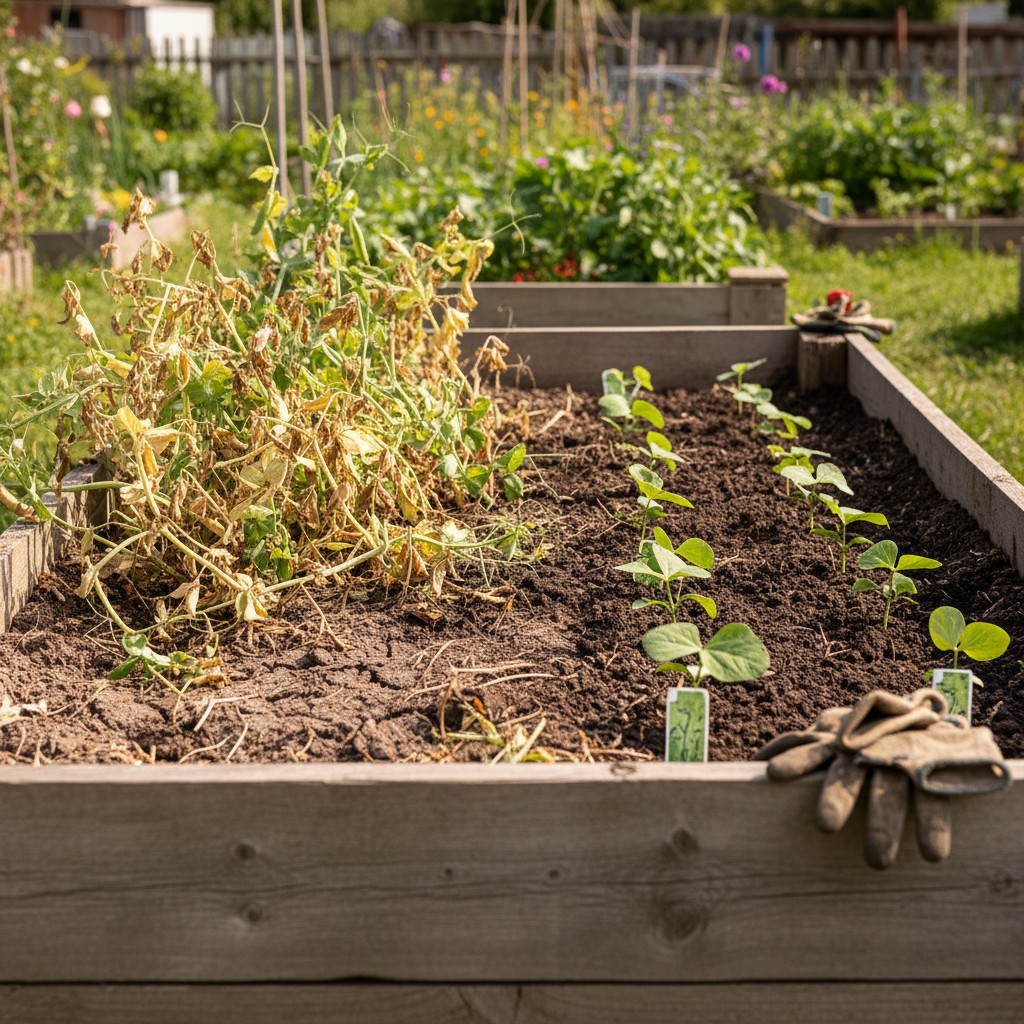
2. Relay Planting (Different Crops, Same Space)
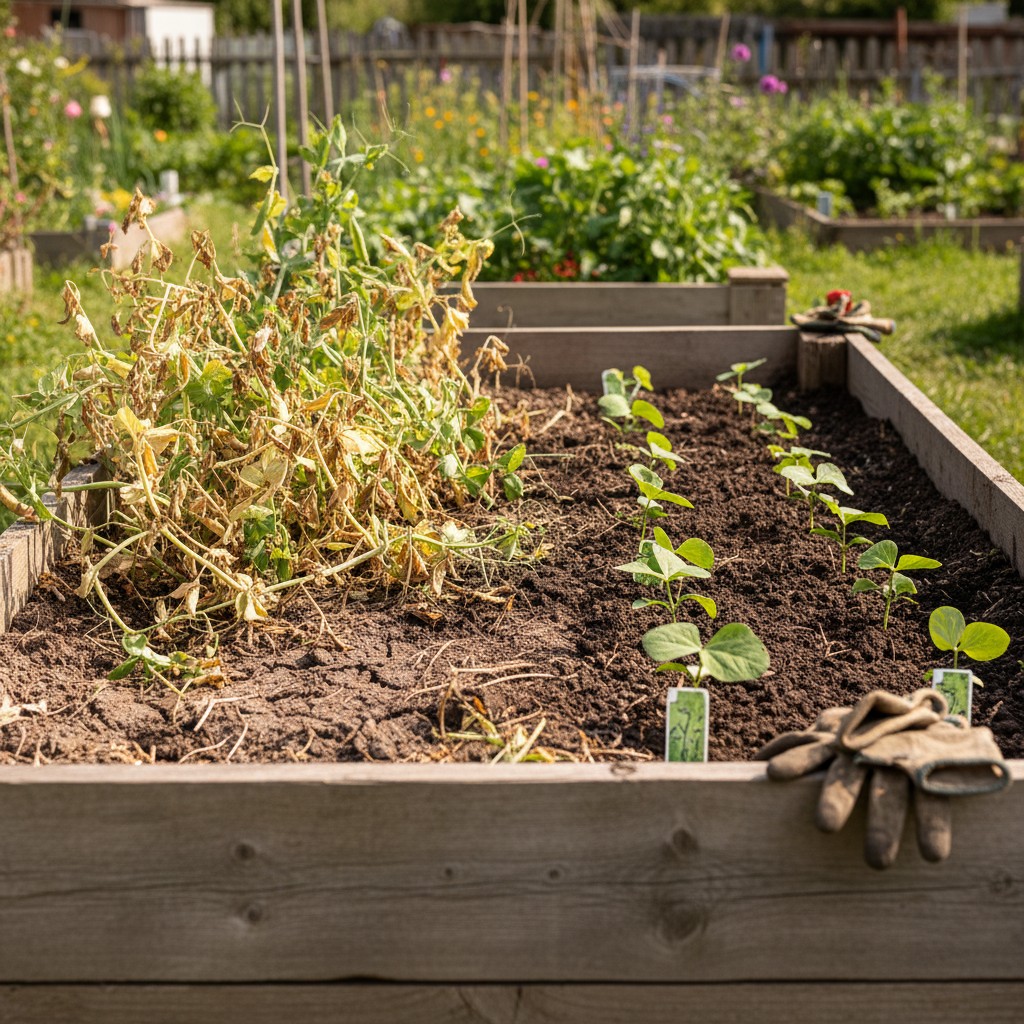
Relay planting means following one crop with a completely different one in the same bed space. When your spring peas finish in June, you pull them and plant fall broccoli in the same spot. When your early lettuce bolts, you replace it with summer beans. When your garlic is harvested in July, you plant fall carrots.
This strategy requires knowing the days to maturity for various crops and counting backward from your first fall frost to determine what you can still plant. It’s double or triple cropping your garden space in a single season.
3. Same-Space Succession With Variety Selection
This clever approach uses different varieties of the same crop that mature at different rates. Plant an early-maturing tomato (55-60 days), a mid-season variety (70-75 days), and a late-season variety (80-90 days) all at the same time. They’ll ripen in sequence, extending your tomato harvest by weeks without any additional planting dates.
You can do this with almost any crop: early, mid, and late-season sweet corn; quick-maturing and storage-type carrots; spring and winter varieties of squash. It’s an easy way to extend the harvest without the ongoing task of successive sowing.
The first year I tried succession planting, I was amazed at how much more food came out of the same garden space. I didn’t add any new beds. I just stopped letting beds sit empty after spring crops finished. By planting fall crops in those vacated spaces, I got about 40% more food from the same square footage. The garden went from producing heavily for two months to producing steadily for six months. It was a total a huge time-saver.
Best Crops for Succession Planting
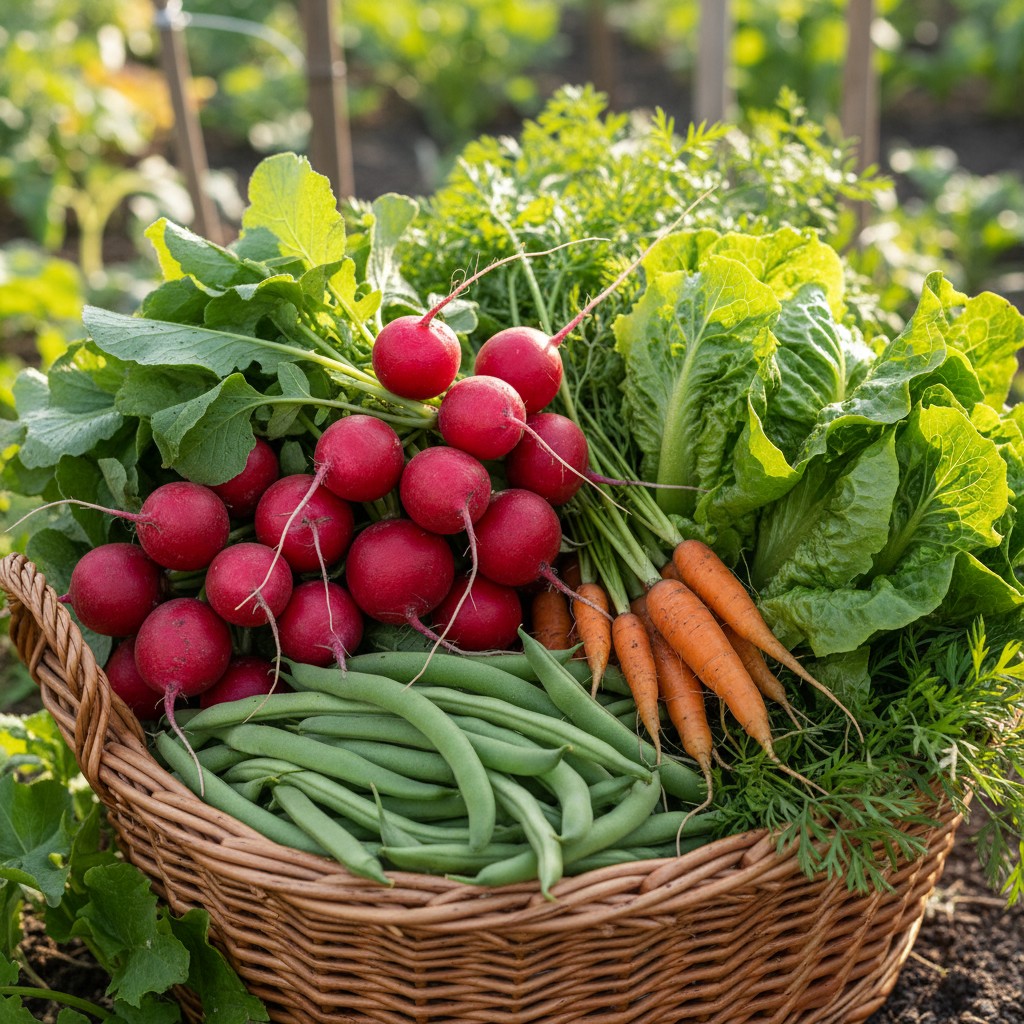
Not every crop benefits equally from succession planting. The best candidates are fast-maturing crops that have a relatively short harvest window. Here’s your succession planting lineup.
| Crop | Days to Harvest | Plant Every | Best Succession Window |
|---|---|---|---|
| Lettuce | 30-60 days | 2 weeks | Early spring through fall (skip midsummer heat) |
| Radishes | 25-35 days | 2 weeks | Spring and fall (too hot in midsummer) |
| Bush beans | 50-60 days | 2-3 weeks | After last frost through midsummer |
| Carrots | 60-80 days | 3 weeks | Spring through midsummer |
| Cilantro | 45-70 days | 2-3 weeks | Spring and fall (bolts in heat) |
| Spinach | 35-50 days | 2 weeks | Early spring and fall |
| Beets | 50-65 days | 3 weeks | Spring through midsummer |
| Peas | 55-70 days | 2 weeks | Early spring (2-3 plantings before heat) |
Crops That Don’t Need Succession Planting
Some crops produce continuously over a long period and don’t benefit from staggered planting. Tomatoes, peppers, eggplant, summer squash, and cucumbers all produce for weeks or months from a single planting as long as you keep harvesting. Pole beans (as opposed to bush beans) also produce continuously. These “cut and come again” and continuous-harvest crops only need to be planted once per season.
Storage crops like winter squash, potatoes, and onions also don’t need succession planting because the whole point is to harvest them all at once for storage.
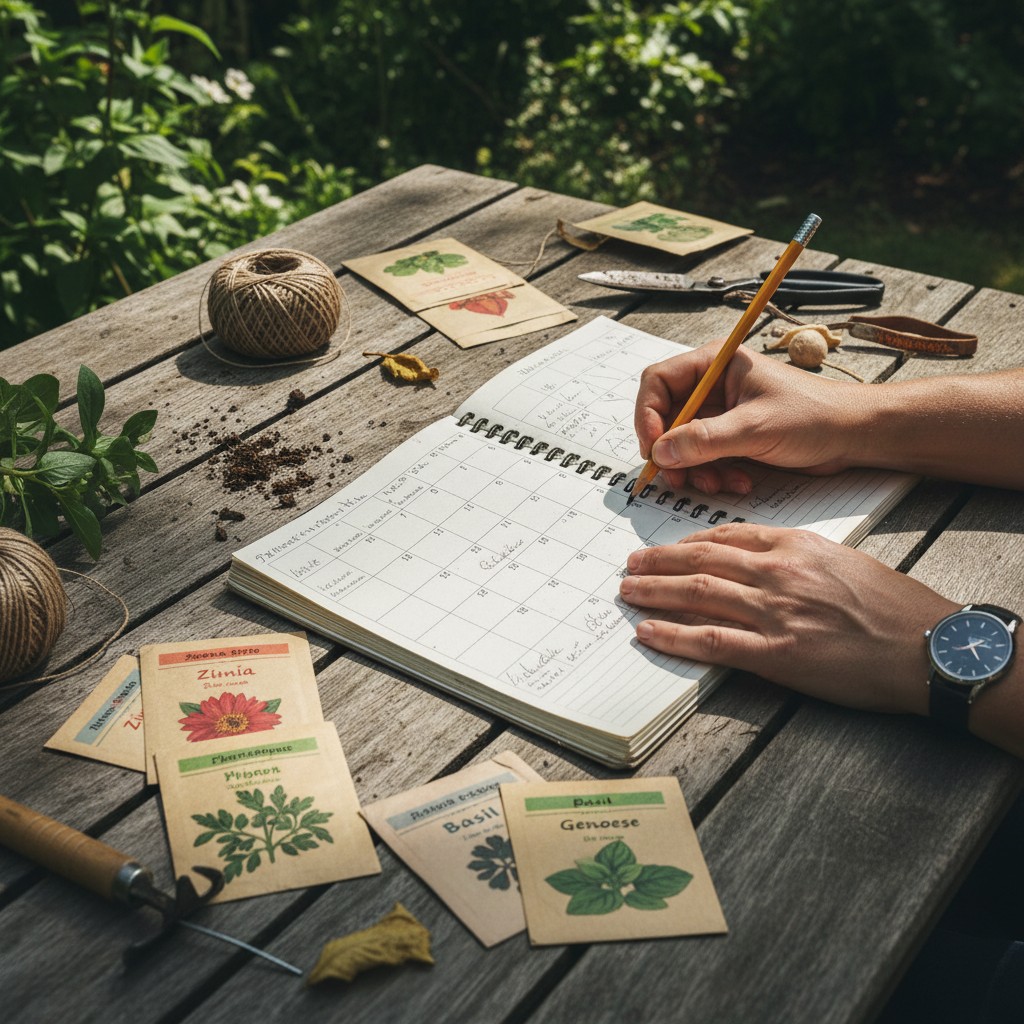
Creating Your Succession Planting Calendar
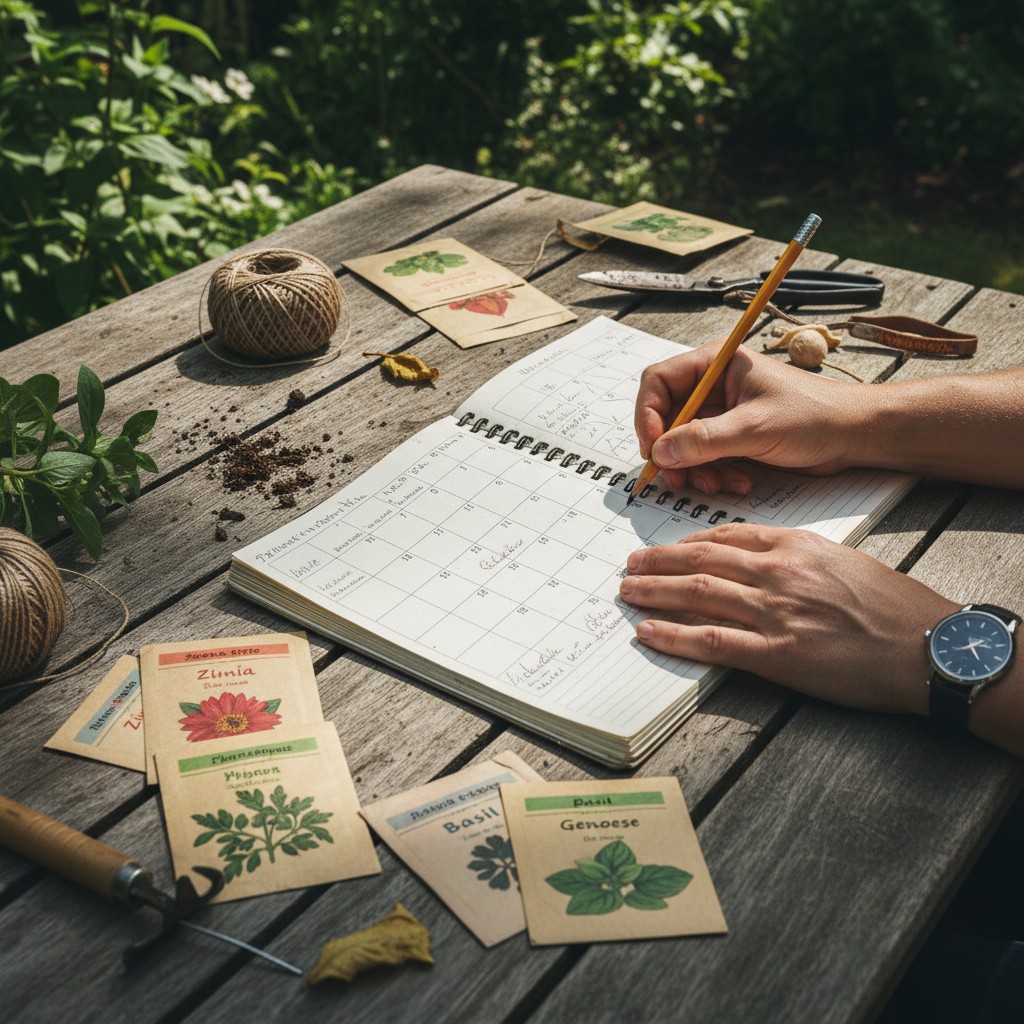
what makes successful succession planting is a simple calendar that tells you what to plant and when. Here’s how to create one.
Start with your last spring frost date and your first fall frost date, these bookend your growing season. Then, for each crop you want to succession plant, calculate how many plantings you can fit in. Take the number of days in your growing season, subtract the days to maturity for the crop, and divide the remaining days by your planting interval.
For example, if your growing season is 150 days and you’re planting bush beans (55 days to maturity) every 3 weeks, you can fit about 4-5 plantings. Your first planting goes in right after last frost, the second 3 weeks later, and so on.
Soil temperature matters more than air temperature for germination. Peas will germinate in soil as cool as 40°F, they are genuinely cold-tolerant and can go in weeks before last frost. Beans, by contrast, need soil at least 60°F to germinate reliably; seed sown in cold soil rots rather than sprouts. A cheap soil thermometer pays for itself the first season by preventing failed early plantings. This is especially relevant in northern zones where “after last frost” air temperatures can still mean 50°F soil.
Having a solid plan like this ties in well with your spring garden checklist, add your succession planting dates to whatever planning system you already use.
A Sample Succession Planting Schedule (Zone 6)
Here’s what a succession planting calendar might look like for a Zone 6 garden with a last frost around May 1 and first frost around October 15.
March (indoors): Start first round of lettuce and brassica transplants under lights. This is where having a solid seed starting setup really pays off.
April: Direct sow peas, spinach, radishes, and lettuce outdoors as soon as soil can be worked. Start second round of lettuce indoors.
Early May: Second sowing of peas, radishes, spinach, lettuce. Plant first bush beans after frost danger passes.
Late May: Third lettuce sowing (heat-tolerant varieties). Second bush bean planting. First carrot and beet sowing.
June: Continue bean successions. Second carrot and beet sowing. Switch to heat-tolerant lettuce varieties or take a lettuce break. Sow cucumbers and summer squash for a later harvest.
July: Last bean planting. Plant fall brassicas (broccoli, cabbage, kale) in spaces vacated by spring crops. Start fall lettuce and spinach.
August: Plant fall radishes, turnips, and greens. Sow cover crops in any beds you’re done with for the season.
September: Last planting of quick-maturing crops like radishes and spinach. Garlic goes in for next year.
Relay Planting: Making the Most of Every Bed
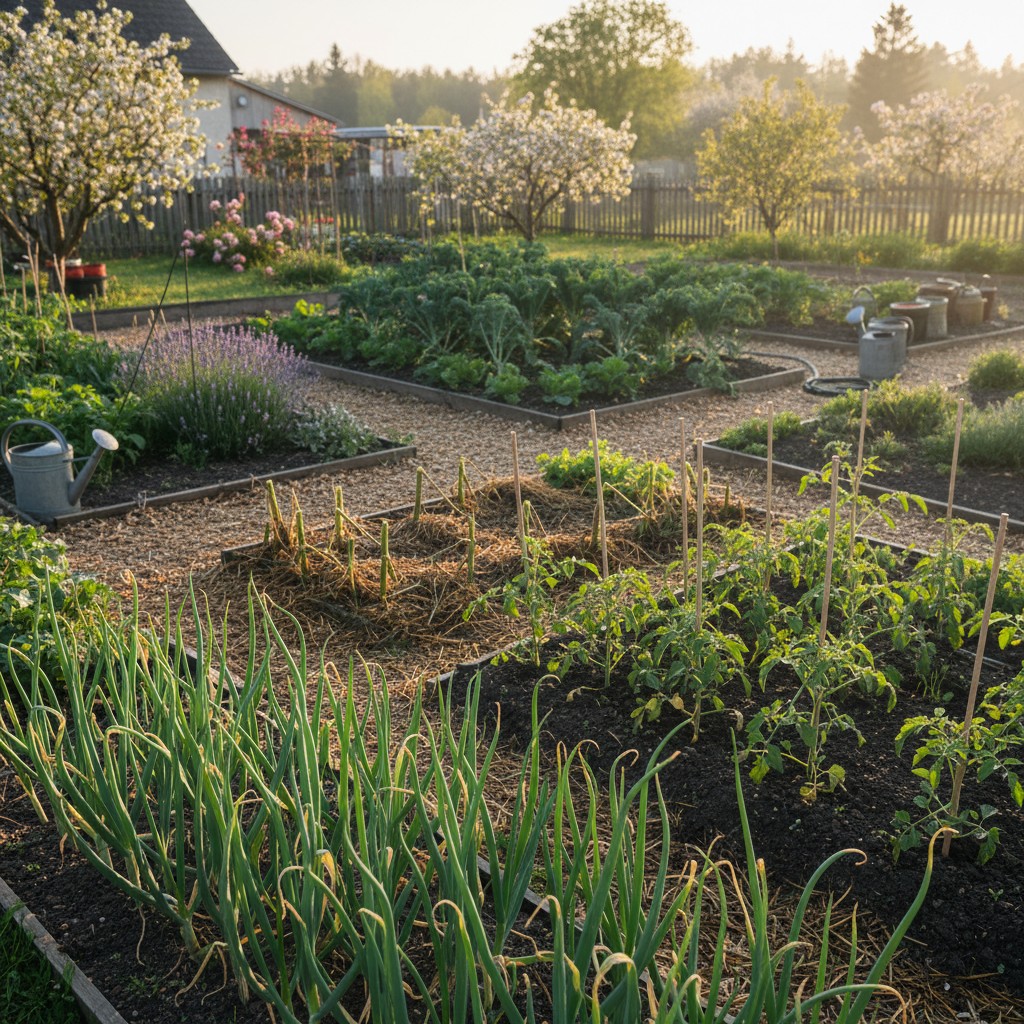
Relay planting is where succession planting gets really productive. The idea is that no bed sits empty for more than a week or two during the growing season. Here are some classic relay combinations that work in most climates.
Peas → Beans → Garlic: Spring peas finish by late June. Pull them and plant bush beans immediately. After the bean harvest in September, plant garlic for next year.
Lettuce → Cucumbers → Fall Greens: Spring lettuce finishes by mid-June. Replace with cucumber transplants. After cucumber production declines in September, sow fall lettuce and spinach.
Radishes → Tomatoes → Garlic: Quick spring radishes come out by mid-May. Plant tomato transplants in the same space. After tomato frost-kill, plant garlic.
Garlic → Fall Beans: Harvest garlic in July. Immediately plant fall bush beans for a September harvest.
what makes relay planting is having your next crop’s seeds or transplants ready to go the moment the current crop comes out. Even a two-week delay between crops costs you valuable growing time. Understanding companion planting principles also helps you choose relay combinations that benefit each other, legumes before heavy feeders, for example, since they add nitrogen to the soil.
The relay planting combination that changed my garden was the simplest one: following spring garlic with fall beans. I used to just leave the garlic bed empty after July harvest, which meant half a growing season of wasted space. Now I pull the garlic, rake in some compost, and direct sow bush beans within the same day. Those fall beans are some of the most productive in the garden because they benefit from all the organic matter the garlic left behind. It’s like getting two harvests for the effort of one.
Tips for Successful Succession Planting
After years of succession planting, here are the practical tips that make the biggest difference.
Set calendar reminders. The hardest part of succession planting is remembering to actually sow that next round. Set reminders on your phone every 2-3 weeks during the growing season. It takes 10 minutes to sow a row of beans or lettuce, the hard part is just remembering to do it.
Keep seeds accessible. Store your succession planting seeds somewhere convenient, not buried in a box in the garage. I keep mine in a small basket by the back door so I grab them on the way to the garden.
Adjust for the season. Midsummer plantings need more water and possibly shade cloth to germinate well. Fall plantings need to account for shortening days and cooling temperatures. A lettuce variety that does great in April may bolt immediately if planted in June, use heat-tolerant varieties for summer successions.
Start small. Don’t try to succession plant everything your first year. Pick 2-3 crops: lettuce, beans, and radishes are perfect starters, and get comfortable with the rhythm before adding more.
Amend between plantings. When you pull a finished crop and replant, add a scoop of compost to the bed first. Each crop removes nutrients, and relay planting asks a lot of your soil. Keep it fed and it’ll keep feeding you.
Succession Planting in Raised Beds
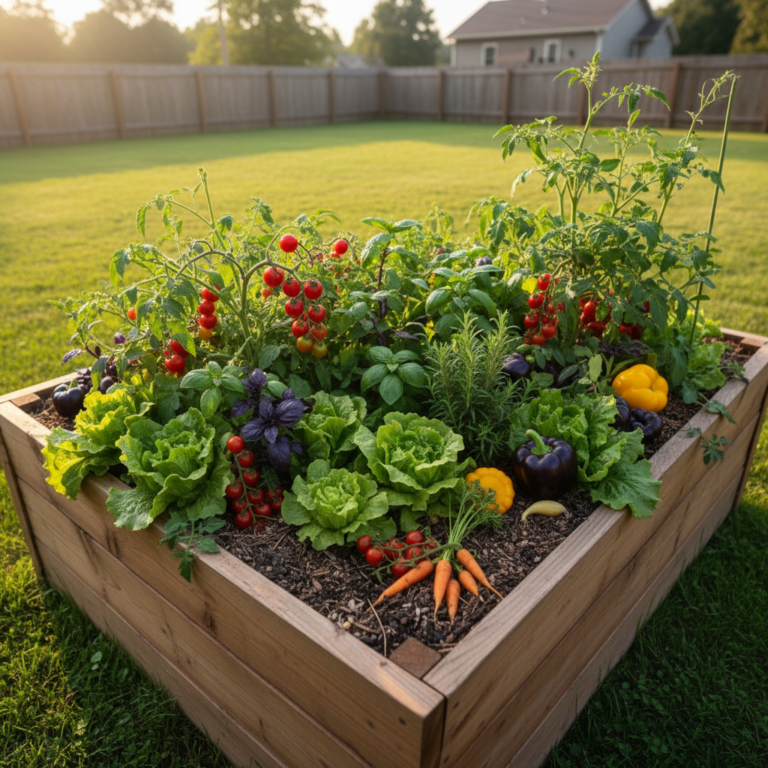
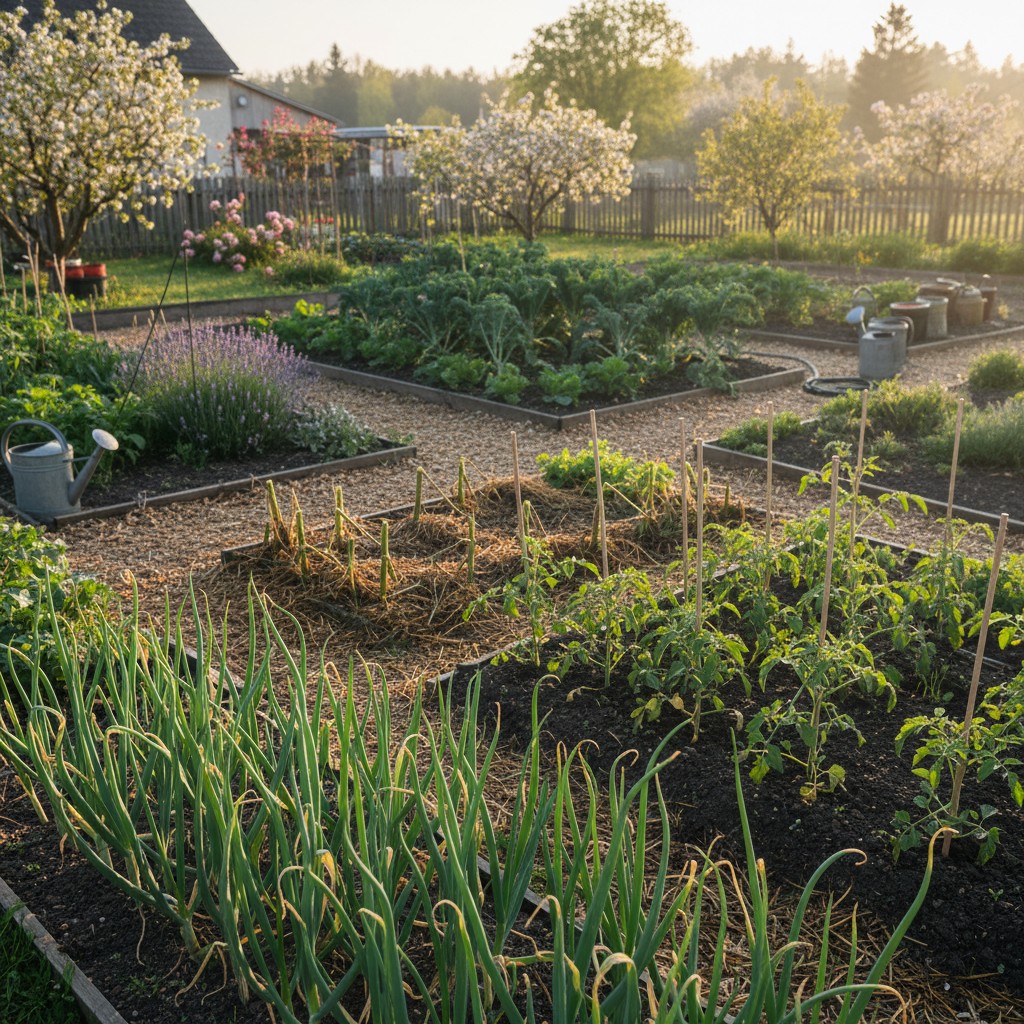
Succession planting is especially effective in raised beds because the defined space makes it easy to track what’s planted where and when. A single 4×8 foot raised bed can produce an astonishing amount of food when every square foot is kept in continuous production.
Divide your raised bed into sections and stagger plantings across them. One quarter gets lettuce this week, the next quarter gets lettuce two weeks later, and so on. When the first section bolts, pull it and plant something else. This grid approach keeps things organized and ensures continuous production without the confusion of trying to track random plantings scattered around the garden.
Extending the Season Even Further
Succession planting works even better when combined with season extension techniques. Row covers and cold frames let you start your first succession 2-3 weeks earlier in spring and keep your last succession growing 2-3 weeks later into fall. In mild climates, you can succession plant lettuce, spinach, and other cold-hardy greens virtually year-round with minimal frost protection.
Hoop houses and high tunnels take this even further, allowing winter succession planting of cold-hardy greens like mache, claytonia, and winter lettuce varieties. Even in Zone 5, an unheated hoop house can produce fresh salad greens from October through April.
Frequently Asked Questions
How do I know when to stop succession planting in late summer?
Count backward from your first expected fall frost date. Look at the days to maturity for the crop you want to plant and add about 2 weeks (because fall days are shorter and cooler, so growth slows). If the total exceeds the days remaining before frost, it’s too late for that crop. Quick-maturing crops like radishes (30 days) and lettuce (40 days) can be planted much later than slower crops like beans (60 days) or carrots (75 days).
Does succession planting work in containers?
Absolutely. Container gardeners can succession plant lettuce, herbs, radishes, and beans very effectively. When a container crop finishes, dump the old plants, freshen the potting mix with a bit of compost, and replant. Containers actually make succession planting easier because each pot is its own mini-bed that can be replanted independently.
How do I deal with the midsummer gap when it’s too hot for cool-season crops?
In most climates, there’s a period in July and August when it’s too hot for lettuce, spinach, and other cool-season crops. Fill this gap with heat-loving succession crops like beans, cucumbers, and summer squash. You can also use shade cloth to grow heat-tolerant lettuce varieties through summer. Resume cool-season successions in late August or September when temperatures moderate.
Should I use seeds or transplants for succession planting?
Both work, and the best choice depends on the crop and timing. Direct seeding is simpler and works great for fast-maturing crops like lettuce, radishes, beans, and carrots. Transplants are better for crops with longer maturity times (like broccoli for fall) because they give you a head start. For relay planting, having transplants ready means zero downtime between crops in a bed, you pull the old crop and transplant the new one the same day.
Is succession planting more work than regular planting?
It distributes the work more evenly rather than adding more. Instead of one exhausting spring planting weekend, you spend 15-30 minutes every 2-3 weeks sowing a few rows. The harvest side is also more manageable, steady moderate harvests instead of an overwhelming glut. Most gardeners find succession planting actually feels like less work because you’re never dealing with the stress of too much produce ripening at once.