How to Start Homesteading with No Land: A Skill-Building Guide
- You can practice dozens of homesteading skills with zero outdoor space, fermentation, baking, preserving, and more
- A sunny windowsill or small balcony supports herbs, microgreens, and container vegetables
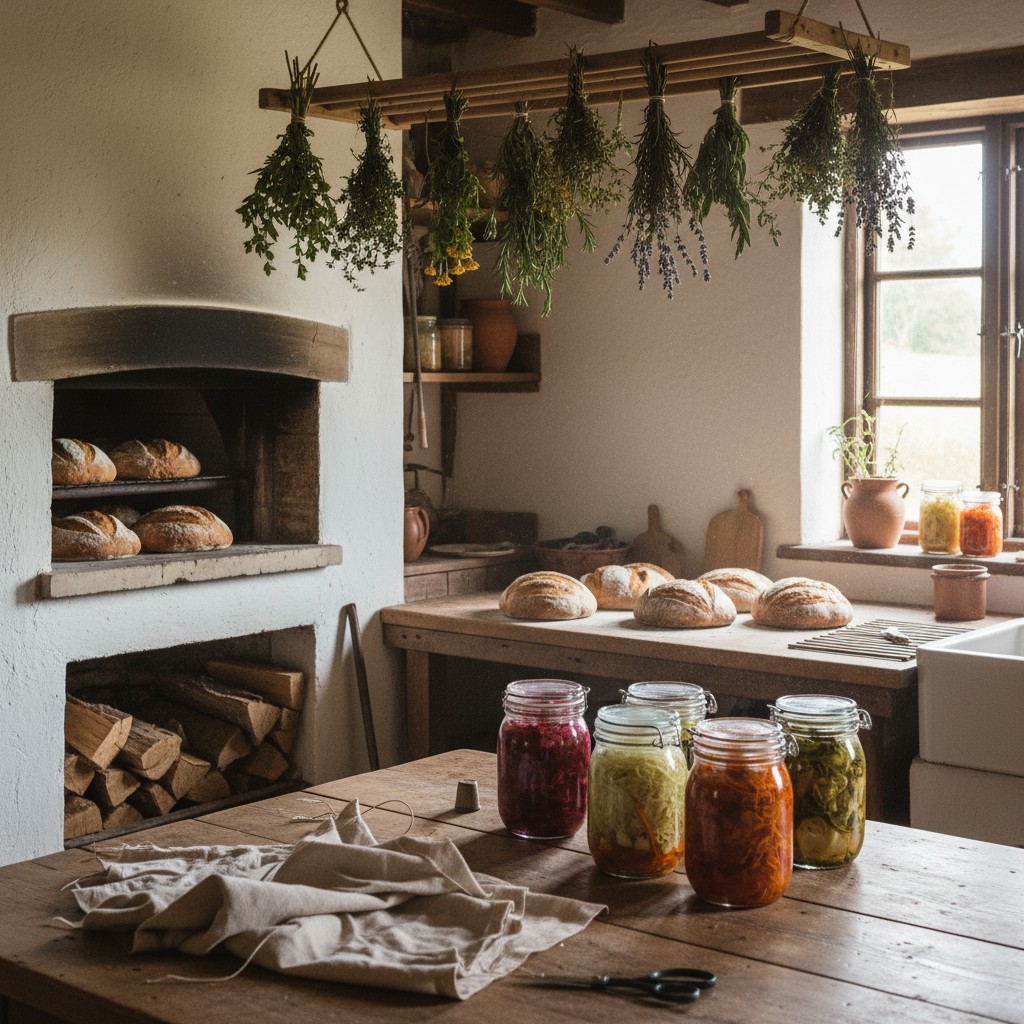
- The most valuable homestead skills to learn first: cooking from scratch, fermenting, bread baking, and food preservation
- 51% of homesteaders cite lack of land as their biggest barrier, but land isn’t required to start (Homesteaders of America)
- Think of homesteading as a skill set, not a place, build skills now, apply them to land later
The Homesteading Skill Ladder (No Land Required)
Think of homesteading as a progression of skills, not a property purchase. Here’s what you can learn right now, wherever you live:
Level 1: Kitchen Skills (Day 1)
| Skill | What You’ll Learn | Space Needed |
|---|---|---|
| Sourdough baking | Bread from 3 ingredients, patience, and wild yeast | Countertop |
| Fermentation | Sauerkraut, pickles, kimchi, yogurt | Countertop |
| Yogurt making | Two ingredients, one pot, zero skill required | Stovetop |
| Cheese making | Ricotta in 30 min, mozzarella in 1 hour | Stovetop |
| Bone broth | Rich, nourishing stock from kitchen scraps | Stovetop |
| DIY cleaning products | Vinegar, baking soda, castile soap | Under sink |
Level 2: Windowsill & Balcony (Week 1)
- Microgreens, harvest nutrient-dense greens in 7–14 days on a windowsill
- Herbs: basil, mint, cilantro, and parsley in small pots by a sunny window
- Sprouts: a mason jar, seeds, and water = fresh sprouts in 3–5 days
- Lettuce: leaf lettuce grows in shallow containers on a balcony
Level 3: Apartment Container Garden (Month 1)
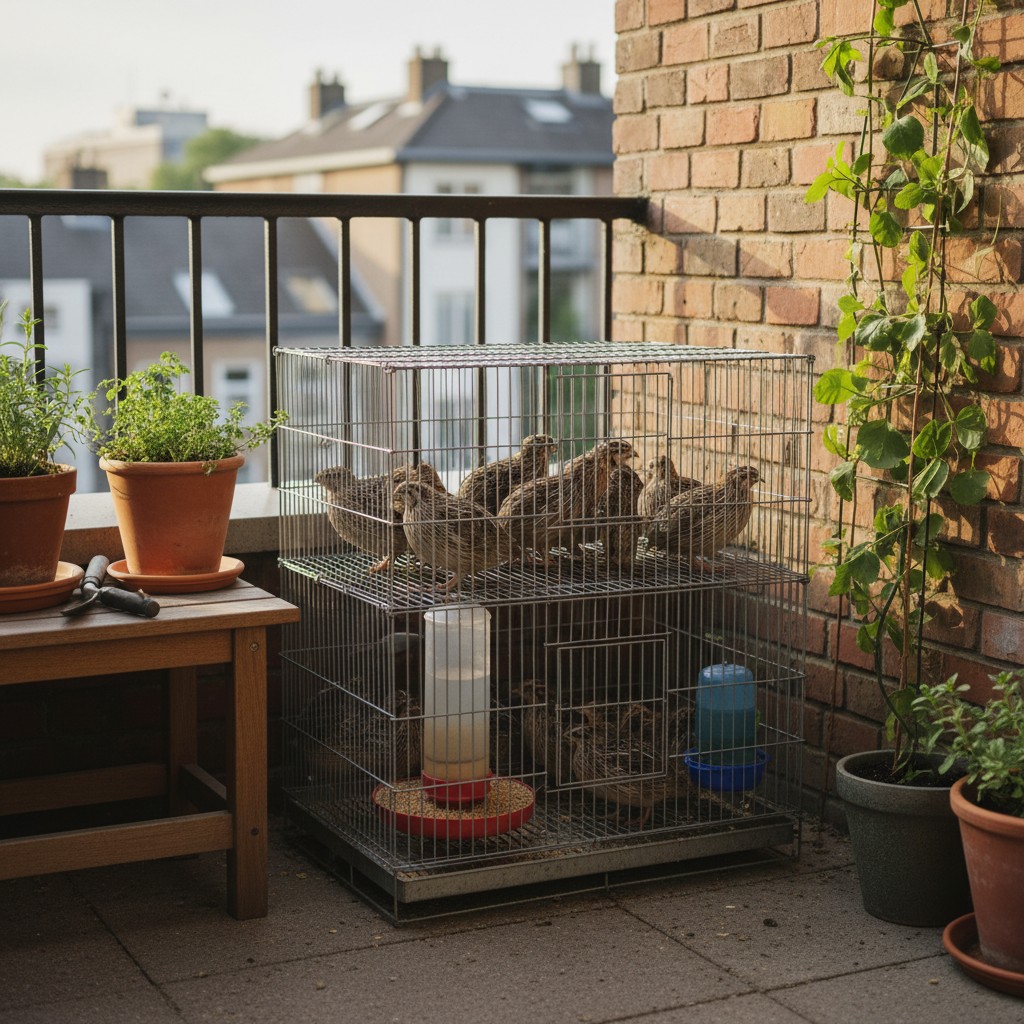
Before you set up a balcony garden or dry laundry outdoors, check your HOA rules or lease agreement. Some HOAs prohibit visible planters, hanging laundry, or certain structures on balconies. Renters should confirm with their landlord before drilling, mounting, or adding heavy containers. A quick review now saves conflict later, and most landlords are fine with tasteful container gardens once asked.
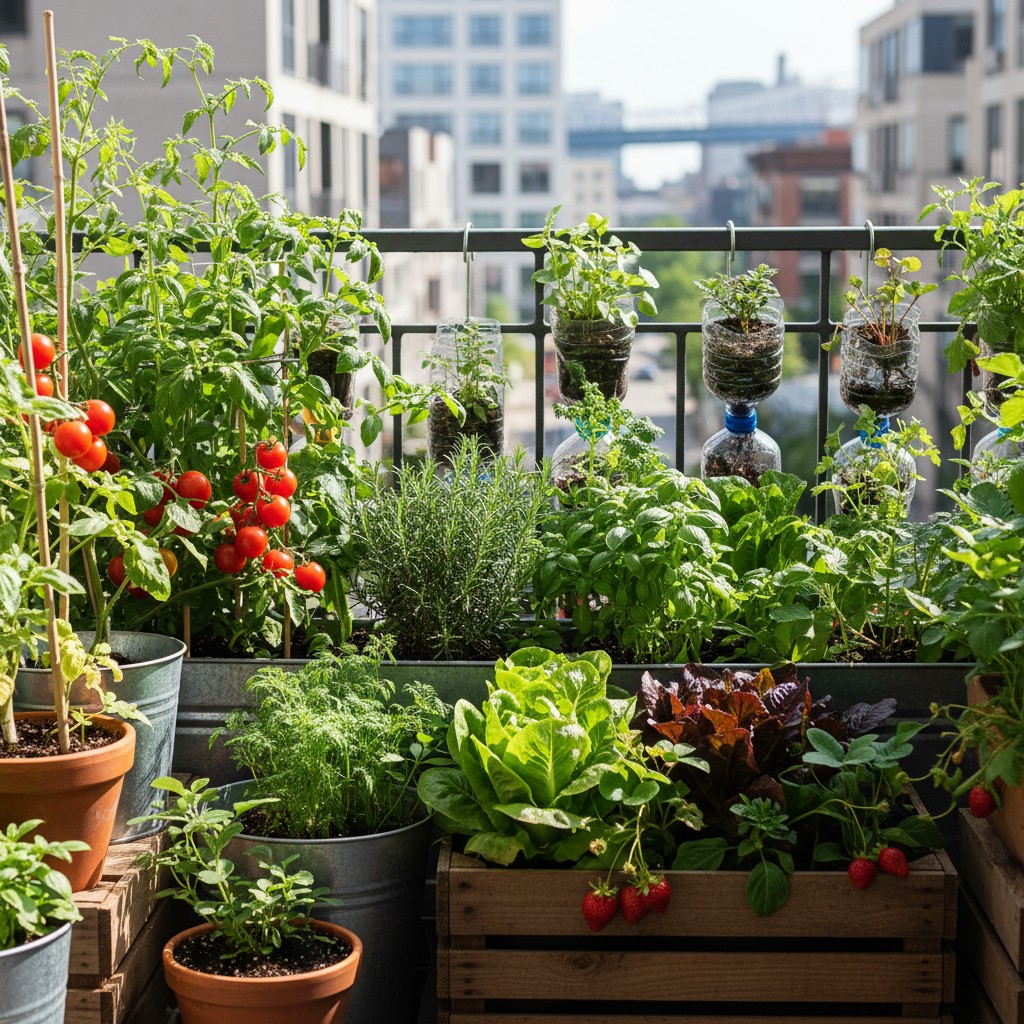
- Cherry tomatoes in a 5-gallon grow bag on a sunny balcony
- Peppers in containers, compact varieties thrive in pots
- Strawberries in hanging baskets or window boxes
- Full container garden, herbs, greens, and a few fruiting plants
Level 4: Preservation & Self-Sufficiency (Month 2+)
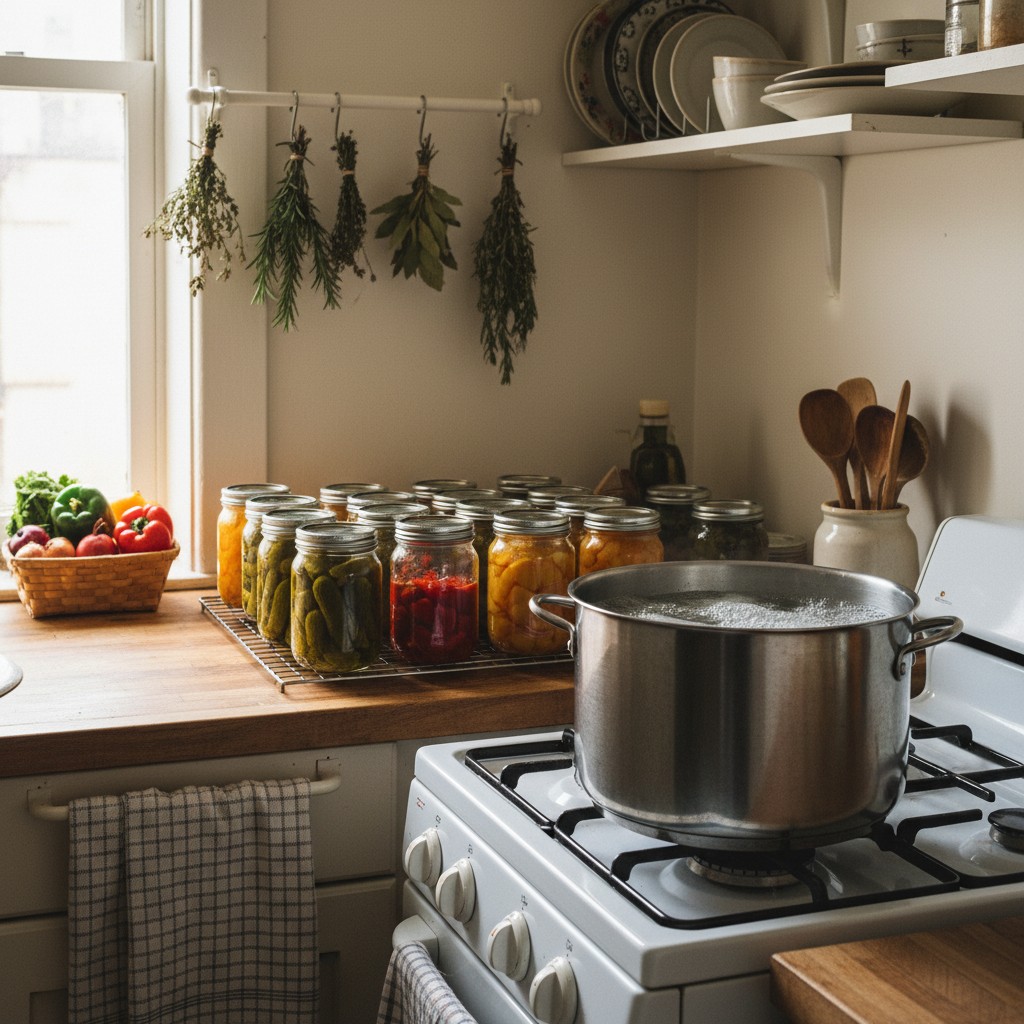
- Water bath canning, jams, pickles, salsas from farmers' market produce
- Dehydrating, herbs, fruits, jerky with a countertop dehydrator
- Soap making, cold process soap with basic ingredients
- Beeswax wraps, reusable food wraps from fabric and beeswax
- Pantry building, stocking a 3-month food supply strategically
- Cottage food: all 50 U.S. States have some version of cottage food law allowing you to sell homemade foods (jams, baked goods, pickles, etc.) from home without a commercial kitchen license. Revenue limits, allowed product types, and labeling requirements vary by state. Check Forrager.com’s Cottage Food Law map for your state’s specifics, this can turn homesteading skills into meaningful income while you save for land.
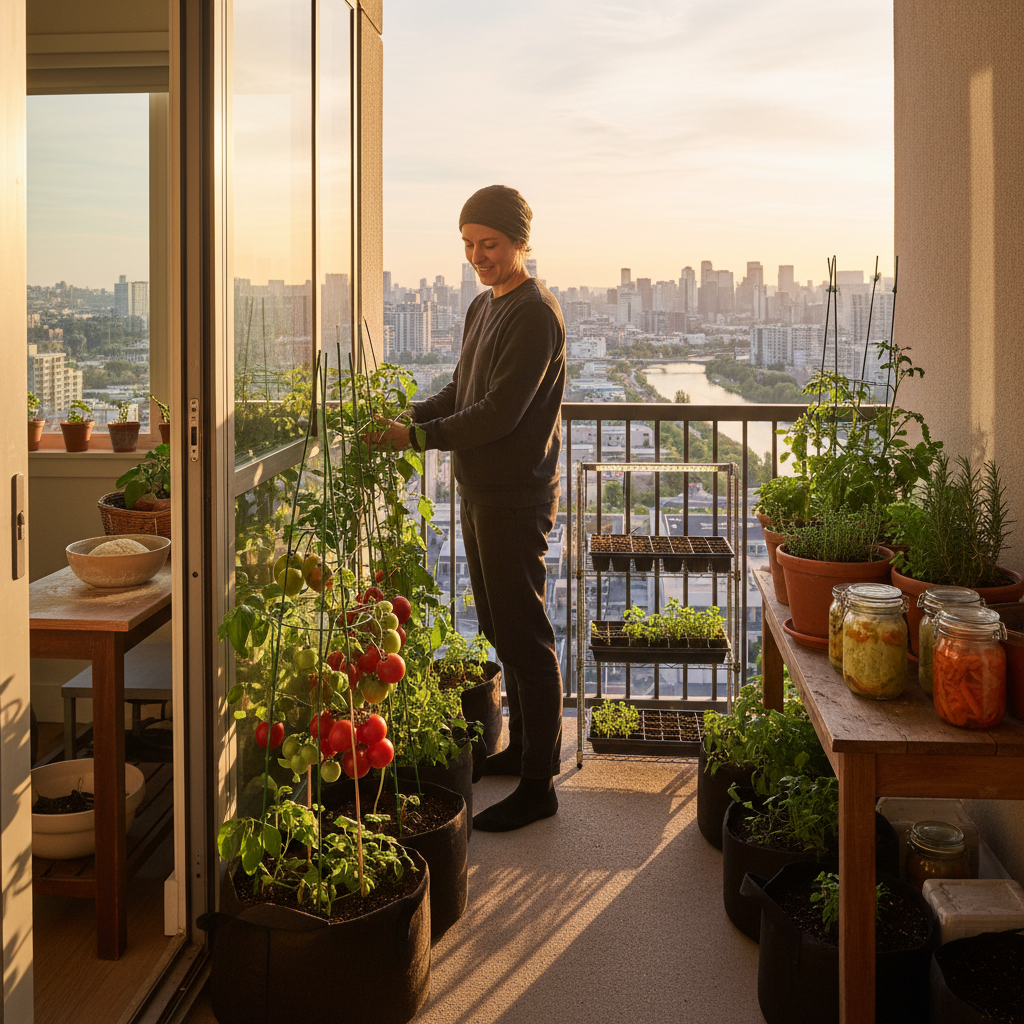
From our homestead: Before we had any land, I spent two years in an apartment learning to make sourdough bread, ferment vegetables, can jam from farmers’ market fruit, and grow herbs on our balcony. When we finally got our homestead, I wasn’t starting from zero. I had a sourdough starter, canning equipment, seeds saved from my container garden, and the confidence to tackle chickens and raised beds on day one.
The Financial Head Start
Homesteading skills save money immediately, even without land:
| Skill | Estimated Annual Savings |
|---|---|
| Baking bread from scratch (2 loaves/week) | $300–$500 |
| Making yogurt (weekly batch) | $150–$250 |
| Growing herbs (windowsill) | $200–$400 |
| DIY cleaning products | $100–$200 |
| Canning/preserving farmers’ market produce | $200–$400 |
| Cooking from scratch (vs. Takeout/convenience) | $1,000–$3,000 |
| Total potential savings | $2,000–$4,000+/year |
Those savings can go straight into a land fund. Two years of apartment homesteading could save you a down payment.
Community Access: Land Without Ownership
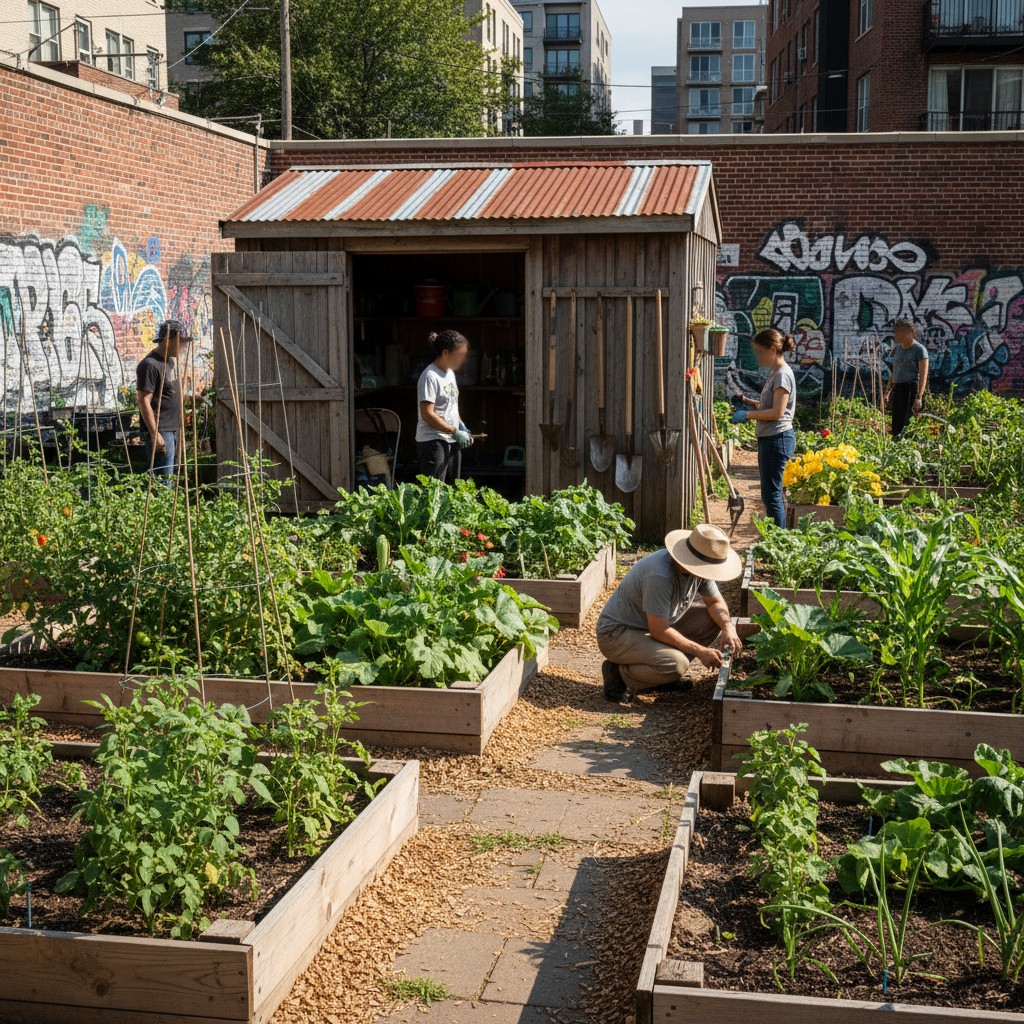
- Community gardens, many cities offer garden plots for $25–$100/year. Sign up now: waitlists in urban areas can be 1–3 years long. Also look into urban farm programs, many cities partner with nonprofits to offer subsidized plots, free soil amendments, or hands-on farm education. Search “[your city] urban agriculture program” or contact your parks department.
- Land sharing: offer to garden someone’s unused yard in exchange for a share of the harvest (check SharedEarth, Hyperlocavore)
- Farm volunteering. WWOOF (World Wide Opportunities on Organic Farms) connects you with farms for hands-on learning
- CSA work shares: many CSA farms offer discounted shares in exchange for a few hours of weekly work
- Rent a plot, some farmers rent small plots for individual gardens
🌱 From Our Homestead
I started homesteading skills in a tiny apartment with a windowsill herb garden and a sourdough starter. Those small wins gave me the confidence to keep going, and by the time we had a small yard, I already knew how to grow food, make bread, and preserve a harvest.
Frequently Asked Questions
Can I really homestead without any land?
Yes. Homesteading is a skill set, not a location. You can make sourdough bread, ferment vegetables, make cheese and yogurt, preserve food, grow herbs and microgreens, make soap, and build a pantry, all in an apartment kitchen. These aren’t lesser homesteading activities; they’re the foundation of self-sufficiency that you’ll use every day even after you get land.
What’s the first homesteading skill I should learn?
Start with sourdough. It teaches you patience, observation, and working with living cultures, skills that transfer to fermentation, cheese making, and gardening. Plus, you’ll save $300–$500/year on bread, and nothing says “homesteader” like pulling a golden loaf out of the oven.
How much can I grow in an apartment?
A sunny balcony (even 4×6 ft) can produce herbs, lettuce, cherry tomatoes, peppers, and strawberries, enough for daily salads and cooking. A windowsill supports microgreens, sprouts, and herbs year-round. You won’t be food self-sufficient, but you’ll dramatically reduce what you buy and learn the gardening skills you’ll need later.
How do I save money for land while homesteading?
The skills themselves save money: baking bread ($300–$500/year), making yogurt and cheese ($200–$400), growing herbs ($200–$400), and cooking from scratch instead of ordering out ($1,000–$3,000). Combine these savings, $2,000–$4,000+ per year, and you’re building a land fund while building skills. Two birds, one stone.
What homesteading equipment should I buy before I have land?
Start with: a Dutch oven (bread baking), mason jars (fermenting, canning, storage), a water bath canner, a dehydrator, a sourdough starter, and quality kitchen knives. This equipment costs $100–$200 total, lasts decades, and transfers directly to land-based homesteading later.